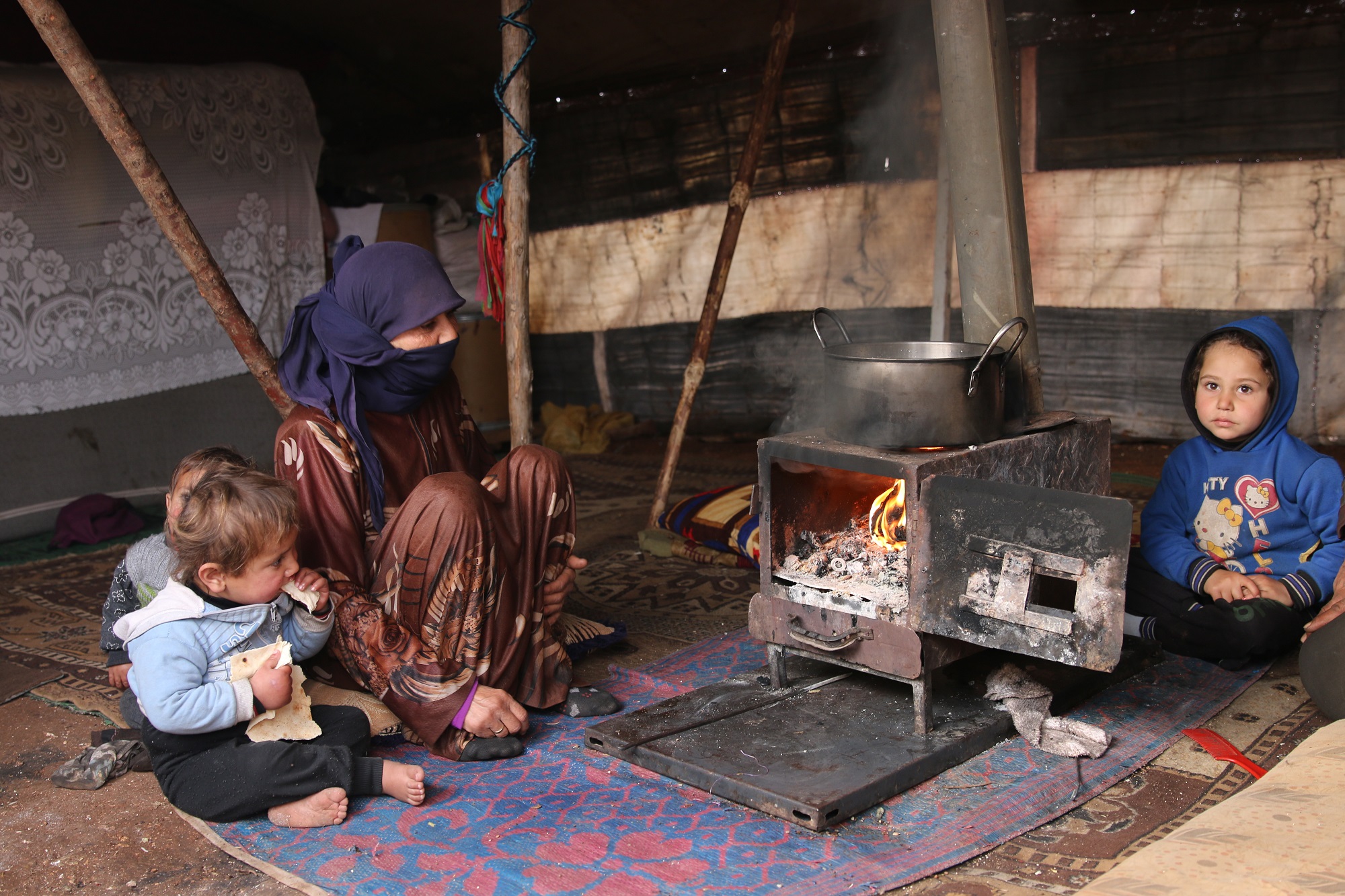

The benefits of education are not measured by a certificate hung on a wall, but by what changes in the life of its holder and those around them. With 273 million children and adolescents out of school globally (UNESCO), counting these benefits is also counting what the world loses every year.
These benefits are achieved for one particular student through sponsorship, whose full steps are in Sponsoring a Student of Knowledge: Your Complete Guide.
We mentioned in a previous article that education, though a basic human right, is still denied to millions of children in low-income countries. Easing these children’s access to the means of learning remains one of the most effective and influential paths, not only by giving them a better future of dignified living, but also touching many developmental aspects, social, economic and environmental, and being an important factor in the safety of societies and the stability of states. It helps achieve the Sustainable Development Goals. Let us learn together 10 benefits of education and their effect on individuals and societies.
10 benefits of education .. let us learn them in this article
- 1- Limiting child labor
- 2- Education lets children reach their full potential
- 3- Closing the education gap between boys and girls
- 4- It gives children with special needs a chance
- 5- Secondary education can more than halve extreme hardship
- 6- Education reduces violence
- 7- Education protects children from the dangers on their path in life
- 8- The benefits of education for the environment
- 9- It spreads health culture within communities
- 10- Education strengthens the economy
1- Limiting child labor
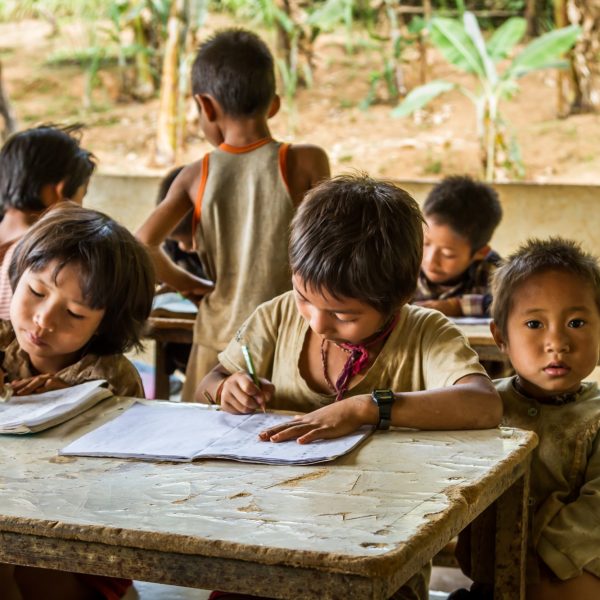
It happens that families in severe hardship find themselves forced to accept sending their children to work at an early age, despite the dangerous conditions. One of the most important factors in the spread of child labor is that children do not get an education, not to mention their families’ lack of awareness.
2- Education lets children reach their full potential
One of the benefits of education is that good education gives children the chance to discover their abilities and put them to work, as well as gaining practical life, financial and leadership skills that help them overcome the psychological and social pressures their difficult social situation may put them under.
3- Closing the education gap between boys and girls
Girls’ education is still a challenge in many disadvantaged communities, where families may push a daughter to sacrifice her educational future on grounds of social customs such as marriage or looking after the house and her younger siblings, or on the basis of giving boys priority in education.
Encouraging families to send their daughters to school to receive education, like boys, would raise the awareness and growth of communities and reduce many social phenomena of which girls are the largest victims.
4- It gives children with special needs a chance
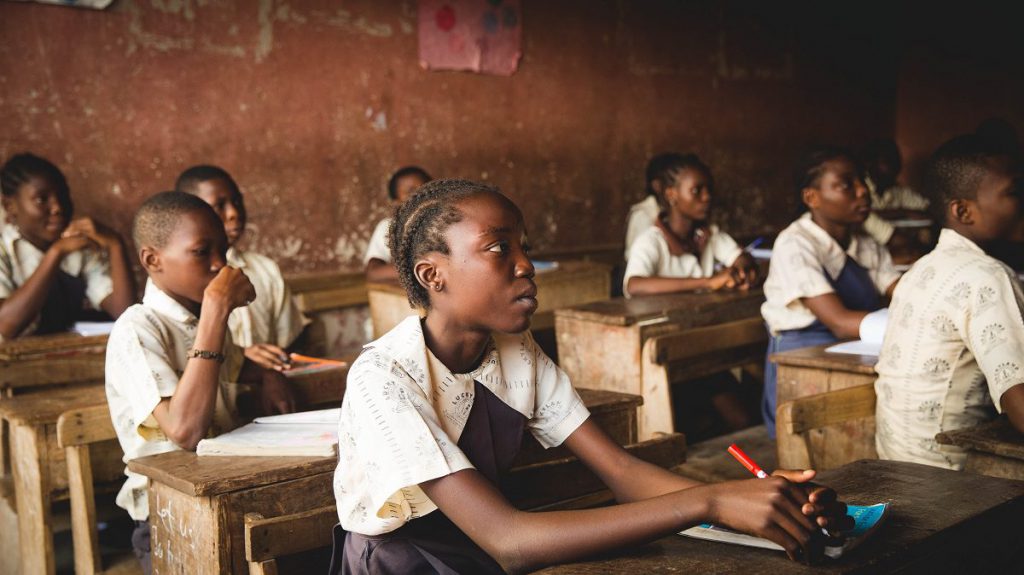
Millions of children under 14 live with a disability. Because there is no education that takes their health circumstances into account, many of them may grow up and find themselves struggling to earn a living because of their lack of education, which limits their job opportunities. That is why providing a suitable learning environment for people with special needs is the best solution for effectively integrating this important group into society.
5- Secondary education can more than halve extreme hardship
In a study issued in 2017, UNESCO said that extreme hardship could fall by more than half if all adults received secondary education, that is, 420 million people around the world. Secondary education equips people with skills that open job opportunities with better income.
When charitable and humanitarian organizations help ease access to education, they also tackle the phenomenon of hardship.
6- Education reduces violence
This is shown by a study which finds that if the secondary school enrollment rate is 10 percent above average, the risk of war falls by 3 percent.
7- Education protects children from the dangers on their path in life
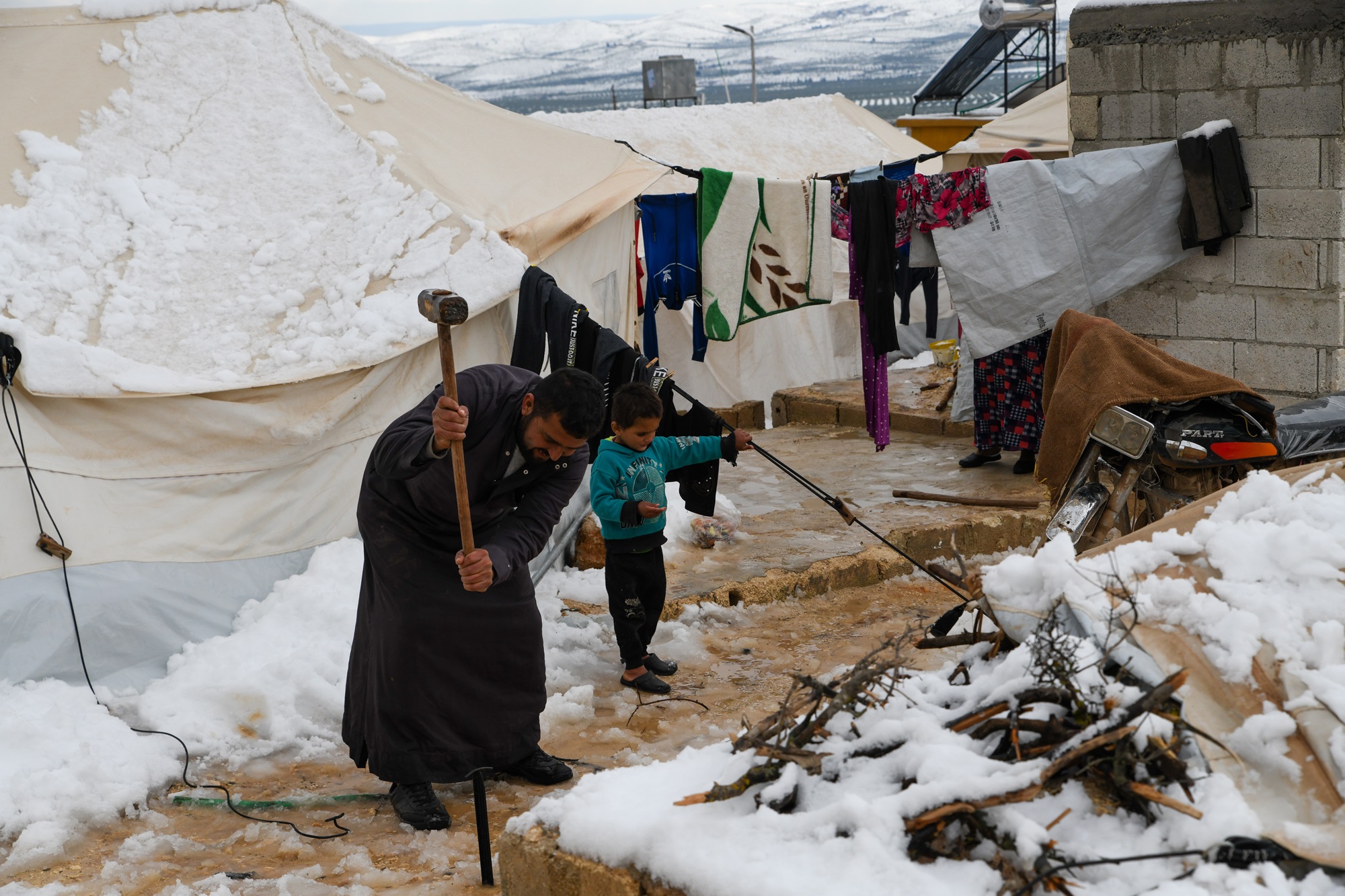
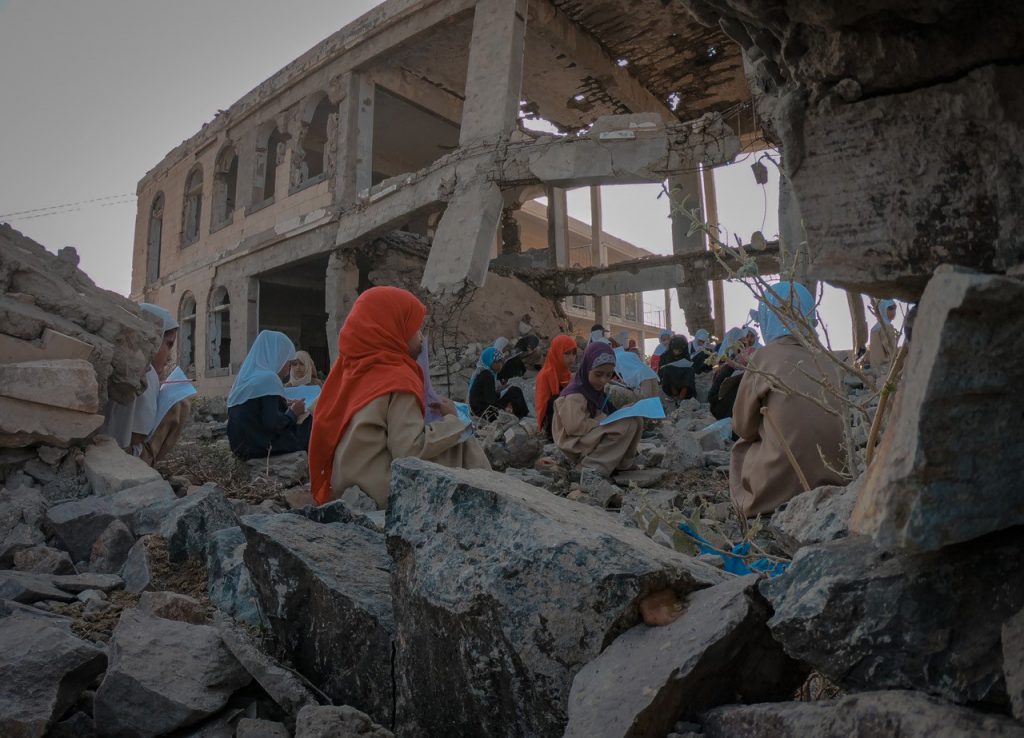
The circumstances children live in may expose their lives and futures to many dangers. Families in severe hardship may accept their children becoming victims of child labor to earn their daily bread, or these children grow up in conflict or disaster areas and end up among convoys of refugees or the displaced, exposed to various risks of exploitation, without full protection and without regard to their age and psychological state. So by making education easier we provide one of the most effective ways to give protection to childhood during difficult and emergency circumstances.
8- The benefits of education for the environment
People with higher education tend to care about the environment. They even care about taking part in and supporting any decisions that would strengthen environmental protection.
Education has also increased people’s awareness of issues of more efficient use of energy and water supplies, especially in areas suffering from scarce resources.
9- It spreads health culture within communities
Most diseases transmitted between people through infection occur as a result of low awareness among people. That is why education works to prevent infectious and serious diseases, which need little effort to prevent, by encouraging children to care about personal and preventive hygiene.

10- Education strengthens the economy
Education gives students the skills and knowledge that give them benefits and job opportunities with higher income. Young men and women are guided to join modern professions that tend to offer better opportunities and prospects, which helps make the economy more diverse and prosperous.
Why is school alone not enough to achieve the benefits of education?
Because enrollment is one thing and learning another. 70 percent of ten-year-olds in low- and middle-income countries cannot read and understand a simple text, up from 57 percent before the pandemic (World Bank). That is, the ten benefits above are achieved by actual learning, not by attendance, which is why quality remains a condition and not an extra.
Read also:
- The Virtue of Seeking and Spreading Knowledge in Islam
- Illiteracy in the World: Figures and Solutions
Frequently asked questions about the benefits of education
What are the most important benefits of education for the individual?
Education raises job opportunities and income, improves health and family decisions, and widens social mobility so that the circumstances of birth do not set the course of life. Its effect is cumulative: every extra school year raises expected income.
How does society benefit from educating its people?
Through a qualified workforce that attracts investment, higher productivity, local solutions to local problems, and lower rates of early marriage and better children’s health. The return is collective, not individual.
Is school enrollment enough to achieve the benefits of education?
No. 70 percent of ten-year-olds in low- and middle-income countries cannot read and understand a simple text despite being enrolled. The benefit comes from actual learning, not from the school seat alone (World Bank).
How many are deprived of the benefits of education worldwide?
There are 273 million children and adolescents out of school according to 2024 data, 79 million of them of primary age. Since 2015 the number has fallen by less than 1 percent globally, while it rose 29 percent in low-income countries (UNESCO).
Every school seat saved brings a return that lasts for decades. Contribute to supporting education through Qatar Charity.