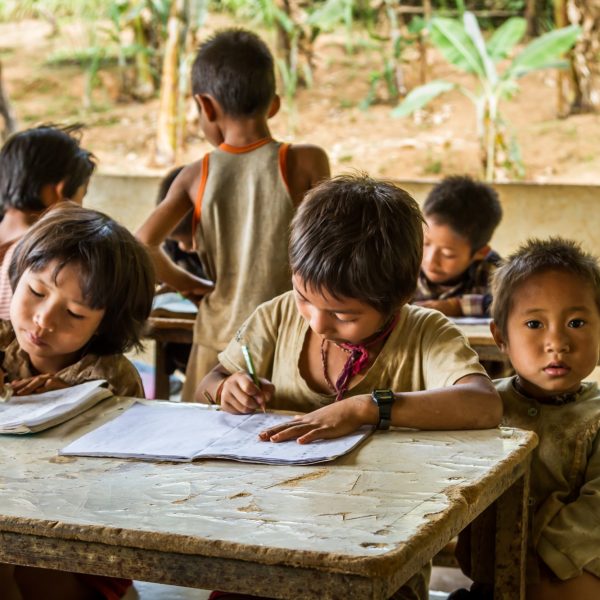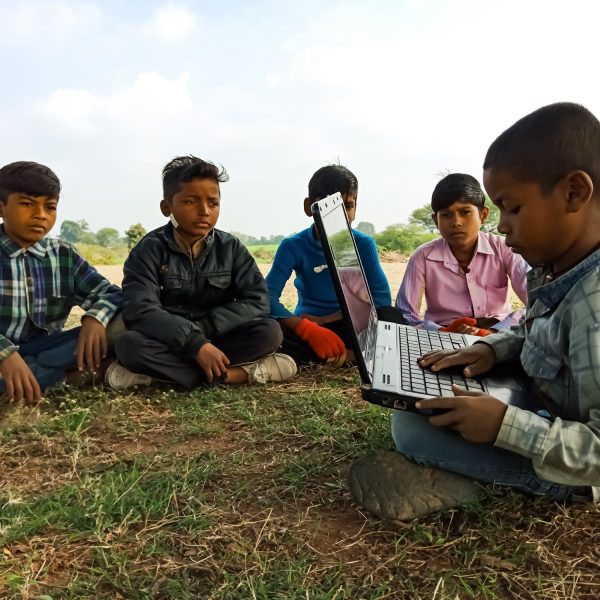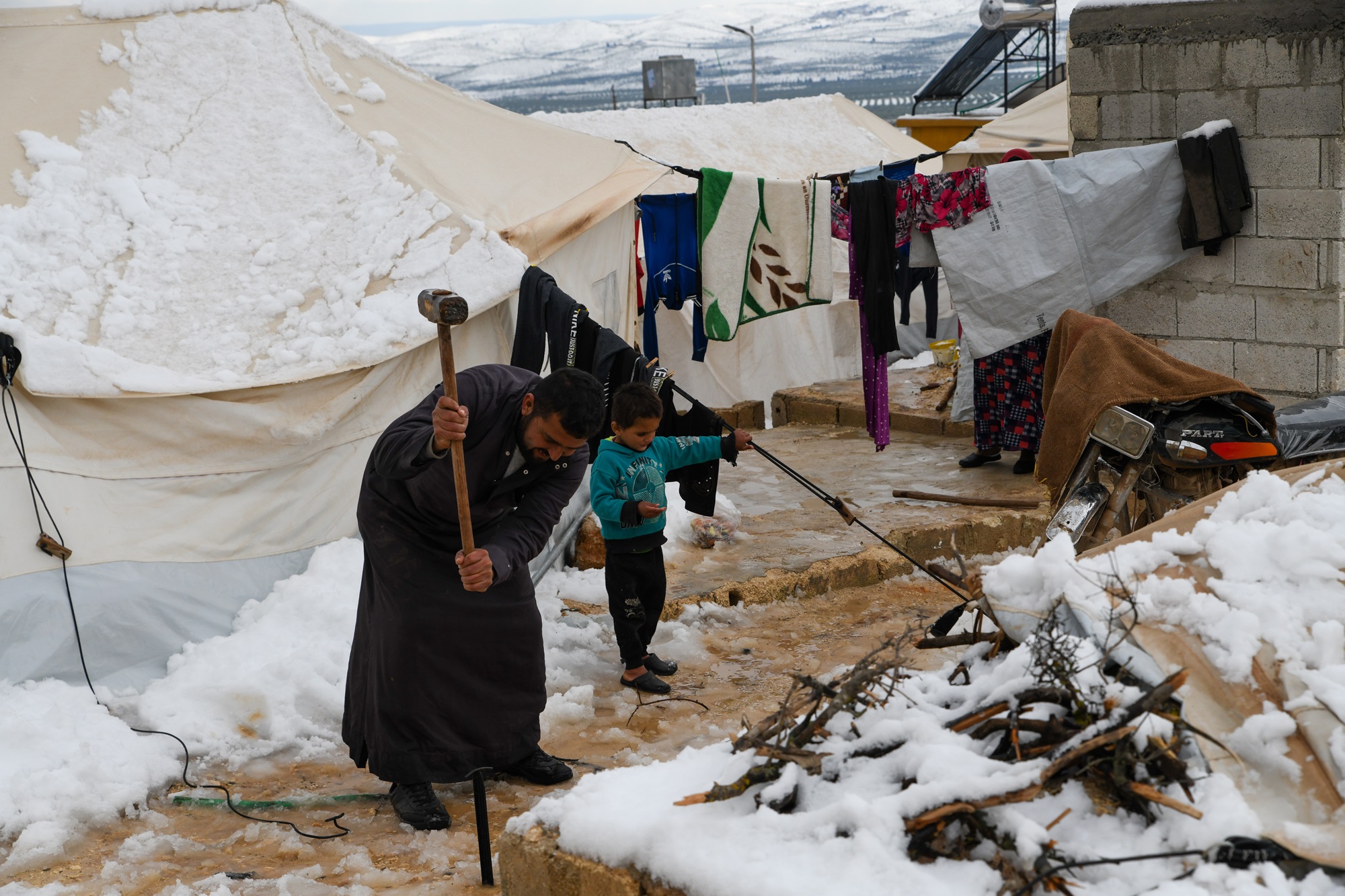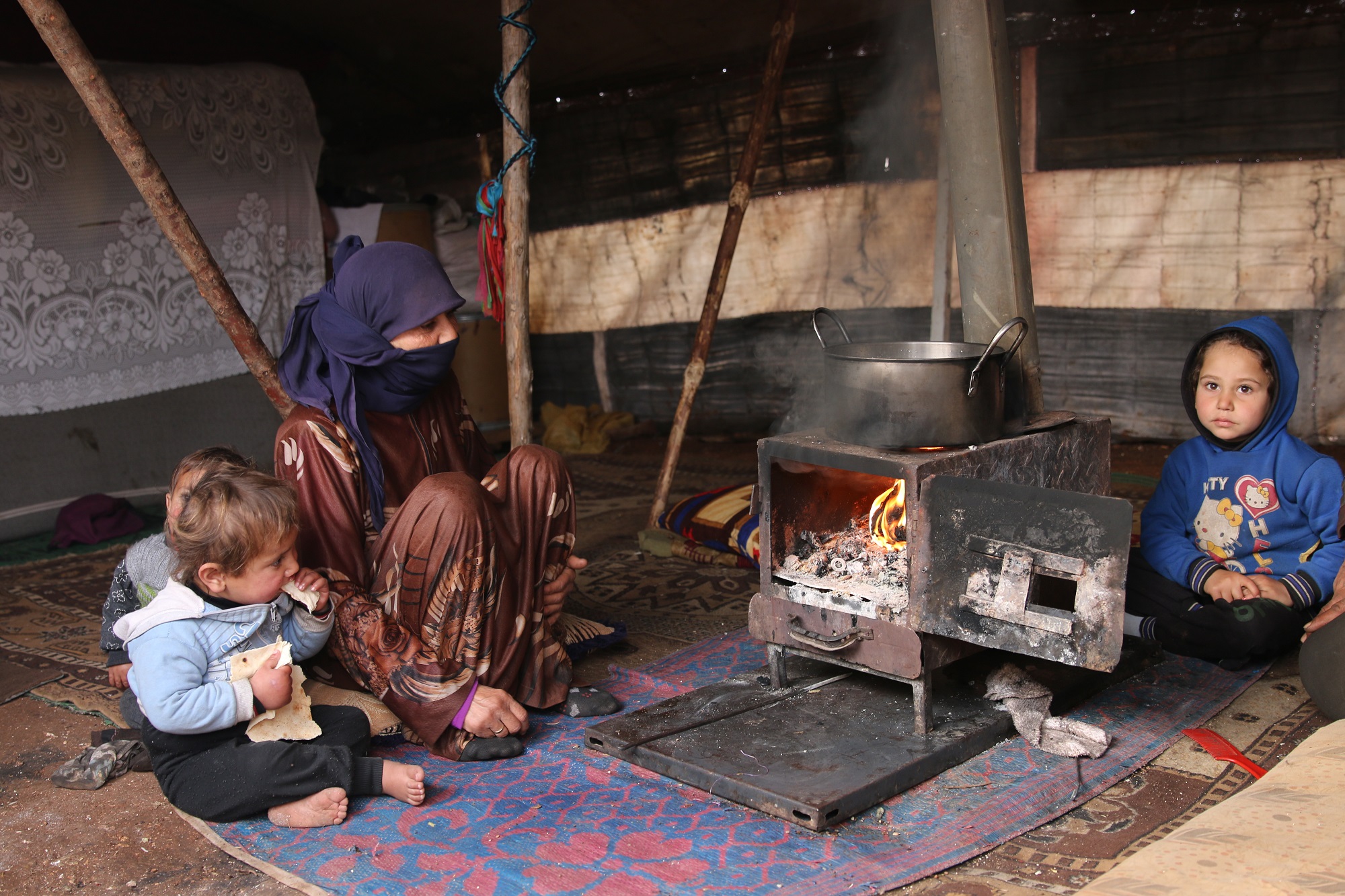

Education in conflict is the first thing to stop and the last to return. When war breaks out schools close and their buildings are used for shelter or fighting, and the child is cut off for years that may never be made up. Globally, the education of 258 million children and adolescents in 87 countries was affected by crises, of whom 93 million are entirely out of school (Education Cannot Wait, 2025).
The first thing that brings a child back to their seat in conflict areas is direct sponsorship, detailed in Sponsoring a Student of Knowledge: Your Complete Guide.
Although the relevant international laws, especially international humanitarian law and international human rights law, go back about a century and a half for humanitarian law and more than 75 years for human rights law, attention to education in the context of conflicts did not emerge clearly until the 1989 Convention on the Rights of the Child and the international initiatives that followed, which tried to draw on its texts to strengthen children’s chances of enjoying their right to education, including during conflicts.
But before entering into these efforts, two important matters must be noted: First, in terms of the general conceptual framework, what was said does not mean that education in the context of conflicts was entirely absent from concerns before the rule of the Convention on the Rights of the Child of 1989. It is enough to mention, for example, the Constitution of the United Nations Educational, Scientific and Cultural Organization (UNESCO), founded in 1945, which put the problem of education and conflict in its true frame when it affirmed that “since wars begin in the minds of men, it is in the minds of men that the defences of peace must be constructed.”[1]
This eloquent sentence sums up the main message UNESCO carries on strengthening peace across the world, and so a clear reference can be read in it to the importance of education before, during and after conflict. Education protects against conflict when it helps strengthen social cohesion and coexistence and education for citizenship.
And when conflict cannot be avoided, as a human phenomenon, education can limit its dangers and prepare the conditions for coming out of it with the fewest possible losses. When the conflict ends or war lays down its burdens, education contributes effectively to recovery and rebuilding.
Second, in terms of practice, there is a telling lesson in how Western states dealt with education during the First and Second World Wars, the two largest armed conflicts the world has ever known.
Despite the destruction and the horrors of war, these states took care to ensure the continuity of the educational process, not only to ensure children’s right to education, but because reality proved that those who contributed effectively to victory were not only those who faced death on the battlefields but also those who filled the classrooms and spent long hours in research and science laboratories.
The systems of these states were also fully convinced that a day would come when the war ended, so they devoted an important part of their efforts during the war to preparing for rebuilding in peacetime. There was no room to waste time.
After this digression, called for by the need to point to linking education during conflict with the questions of peace as an international demand, and also the need to compare developed and developing countries on their policies and behavior toward education in the context of conflicts, we return to the efforts that followed the adoption of the 1989 Convention on the Rights of the Child on education in the context of conflicts.
But before that it must be recalled that the importance of this convention lies in two important matters: it is, on one hand, an international convention concerning the child specifically, so it came to focus on the child’s various rights and to stress taking the various measures needed to respect, guarantee and protect these rights, such as education, including in the context of conflicts and wars.
On the other hand, the convention came to call for respect for all relevant international covenants and charters, such as the Universal Declaration of Human Rights of 1948, the other international human rights conventions, and international humanitarian law, specifically the Geneva Convention on the protection of civilians of 1949.
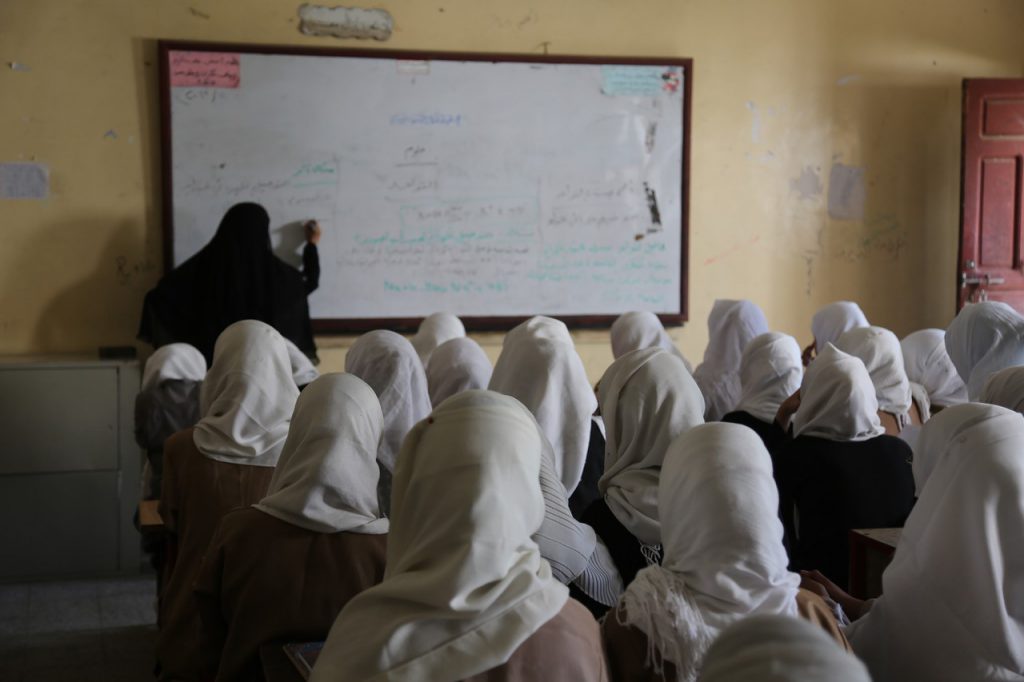
In brief, the most important international initiatives that tried to address the question of education in the context of conflicts as a basic, inalienable right of the child include the following:
1. The Education for All initiative of 2000. This initiative set a package of six strategic goals to provide education for all, including victims of conflicts, and also set a group of strategies to achieve these goals.
The initiative stressed the need to give special attention to countries suffering conflict or going through rebuilding and to help them build their education systems so that they meet the needs of all learners, also stressing the challenges facing education efforts in sub-Saharan Africa, South Asia and the least developed countries.[2]
In general, the annual monitoring reports issued by the initiative, including the special report issued in 2011 titled “The Hidden Crisis: Armed Conflict and Education”, show that the results achieved in education under conflicts are still very modest compared with the ambition.[3]
2. The Millennium Development Goals MDGs – 2015. These goals expressed the United Nations development agenda for the period from 2000 to 2015. The second goal of this initiative stresses achieving universal primary education, enabling children everywhere, boys and girls alike, to complete a full course of primary schooling by 2015.
Once again these efforts failed to achieve the desired education goals. In 2015 there were 57 million primary school age children not enrolled in school. In conflict-affected countries, the share of children not in school rose from 30 percent in 1999 to 36 percent in 2012. [4]
It is worth pointing here to the pioneering initiative taken by the State of Qatar, with the commitment of Her Highness Sheikha Moza bint Nasser, Chairperson of Qatar Foundation for Education, Science and Community Development and founder and chair of Education Above All Foundation, to make up for this failure by ensuring the education of more than 10 million children around the world. Her Highness was the main driver for adopting the United Nations resolution A/74/ which adopted 9 September as the International Day to Protect Education from Attack.
Her Highness also had a clear view that an international day was needed to highlight an epidemic that has struck more than 75 million children and young people aged between 3 and 18 who are currently in urgent need of educational support in 35 crisis-affected countries.
3. The Sustainable Development Goals SDGs – 2030, which are the second generation of the global development agenda. Again education, including education during conflicts, was considered one of the most important priorities of the new development agenda. Its fourth goal stressed ensuring inclusive and equitable quality education and promoting lifelong learning opportunities for all by 2030. The agenda also stressed the challenges education faces in conflict situations, especially as 50 percent of children denied their right to education around the world live in conflict areas.[5]
[1] Constitution of the United Nations Educational, Scientific and Cultural Organization.
[2] Education for All framework for action 2000.
[3] Education for All monitoring report: The Hidden Crisis: Armed Conflict and Education 2011.
[4] Millennium Development Goals agenda 2015.
[5] Sustainable Development Goals agenda 2030.
Why is interruption in conflicts hardest to make up for?
Because crises last. The number of affected children rose by more than 21 million in just 18 months (Education Cannot Wait, 2026), which means a child who drops out today may reach working age before their region settles.
The severity is clearer among refugees: their enrollment in secondary education does not exceed 37 percent, so reaching this stage is the exception, not the rule (UN Refugee Agency, 2025). As for enrollment in university education, it does not exceed 9 percent.
Frequently asked questions about education in conflict
How many children are deprived of education because of conflicts?
The education of 258 million children and adolescents in 87 countries was affected by crises, of whom 93 million are entirely out of school, more than a third of those affected, according to 2026 estimates (Education Cannot Wait).
What share of refugees are enrolled in secondary education?
No more than 37 percent globally, compared with 67 percent at the primary stage and only 9 percent in university education. That is, the refugee child who reaches secondary school is the exception, not the rule (UN Refugee Agency, 2025).
Why is it hard to make up for school years lost in wars?
Because crises drag on, and the child grows up. The number of those affected rose by more than 21 million in 18 months. One who drops out at ten may reach working age before their region settles, and enter the labor market without education.
How can education in conflict zones be supported?
Through what keeps learning going despite the circumstances: temporary learning spaces, teacher training, and sponsoring students to cover the cost of their continuing. These are paths Qatar Charity works on in a number of crisis areas.
Education in conflict does not wait for the war to end. Contribute to supporting children’s education through Qatar Charity.