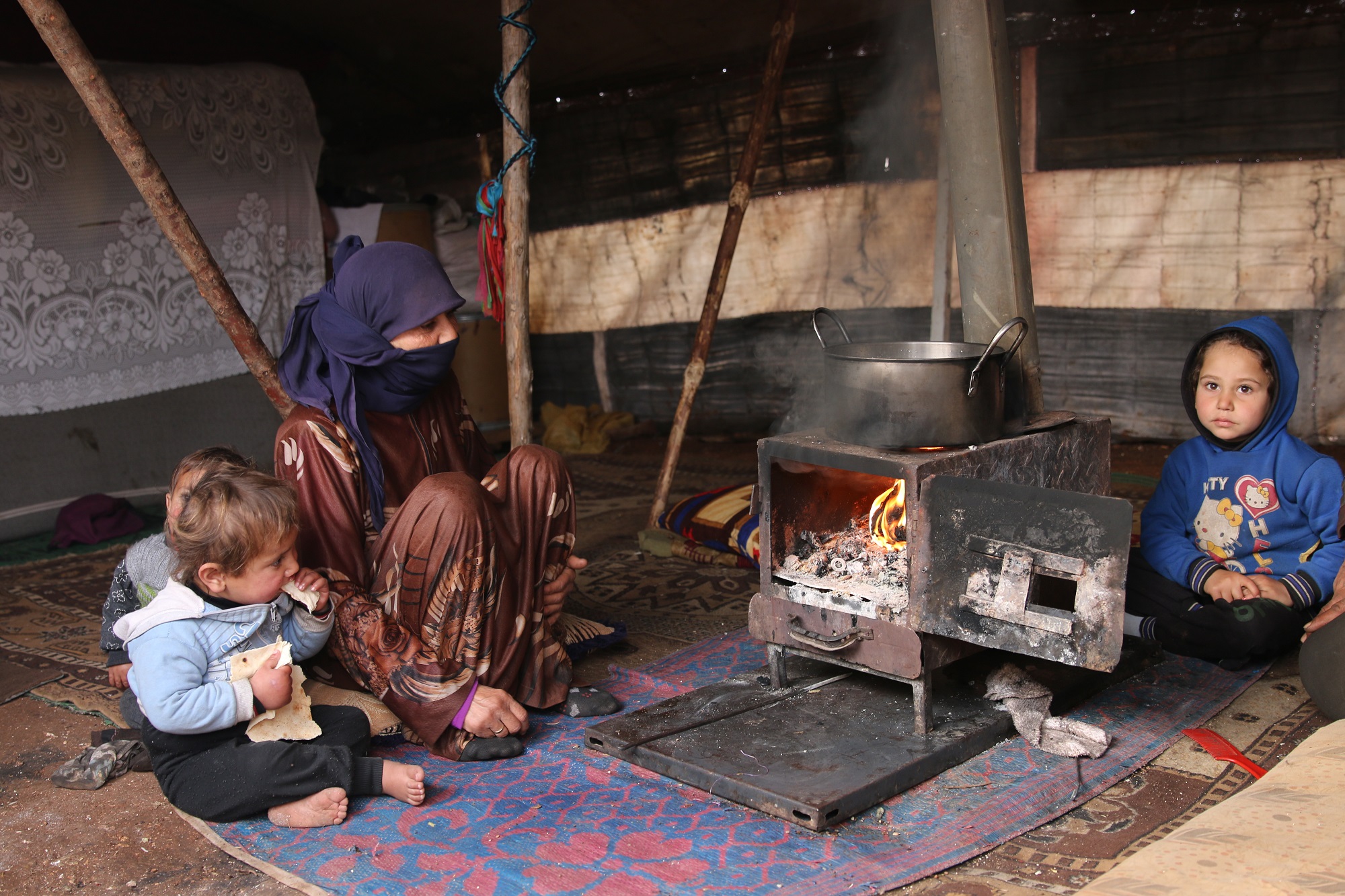

Education challenges are not one and are not equal in effect, but they all end in the same result: a child out of school. Globally there are 273 million children and adolescents out of school according to 2024 data (UNESCO), and the trend is not improving: since 2015 the number has fallen by less than 1 percent globally, while it rose 29 percent in low-income countries (UNESCO, Global Education Monitoring Report). Here are ten of the most prominent of these challenges.
You can find the practical way to get past these challenges, student by student, in Sponsoring a Student of Knowledge: Your Complete Guide.
Education is a basic human right. But millions of children are still denied the chance to get education in many low-income countries, as they face challenges that stand in the way, such as a lack of schools or qualified teachers, widespread child labor, or groups denied their right to education such as girls and children with special needs. Here are 10 challenges that deprive children of education in low-income countries, which we must all cooperate to reduce in order to reach Sustainable Development Goal 4: quality education by 2030.
In the article “Challenges of Educating Children in Low-Income Countries” you will learn about:
- 1- Lack of funding for education
- 2- No teachers, or teachers who lack good qualification
- 3- No classrooms
- 4- A shortage of teaching materials
- 5- Exclusion of children with special needs
- 6- Challenges of girls’ education in low-income countries
- 7- Children in areas of conflict and disaster
- 8- The distance between home and school
- 9- Hunger and malnutrition
- 10- Spending on education
1- Lack of funding for education
Many low-income and developing countries are unable to allocate suitable budgets to support education. They are forced to rely on funding educational projects through external aid from countries and international and specialized organizations.
2- No teachers, or teachers who lack good qualification
Providing a qualified teacher with good teaching skills is one of the most important indicators of students getting good education.
In low-income areas there are not enough teachers in basic primary or secondary education, and many of the teachers now working are untrained. As a result, children do not receive suitable education. There are 130 million children in school who do not learn basic skills such as reading, writing and mathematics.
Globally, the United Nations estimates that 69 million new teachers are needed to achieve universal primary and secondary education by 2030. To provide every child with primary education, 25.8 million school teachers need to be recruited. Meanwhile, in one in three countries, fewer than three quarters of teachers are trained to national standards.
3- No classrooms
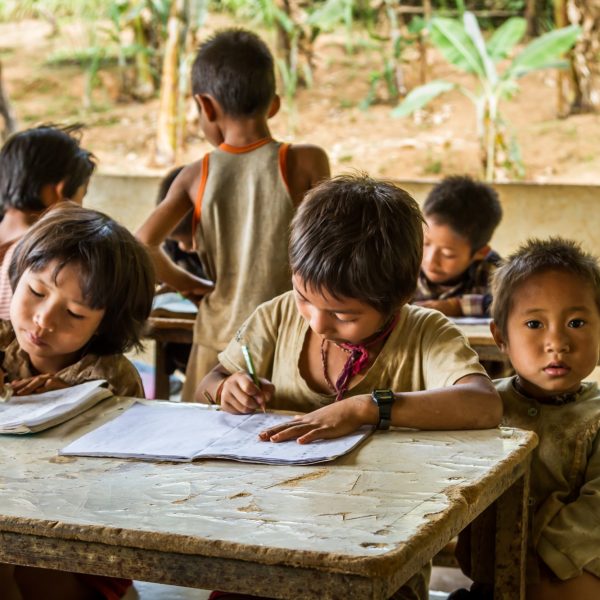
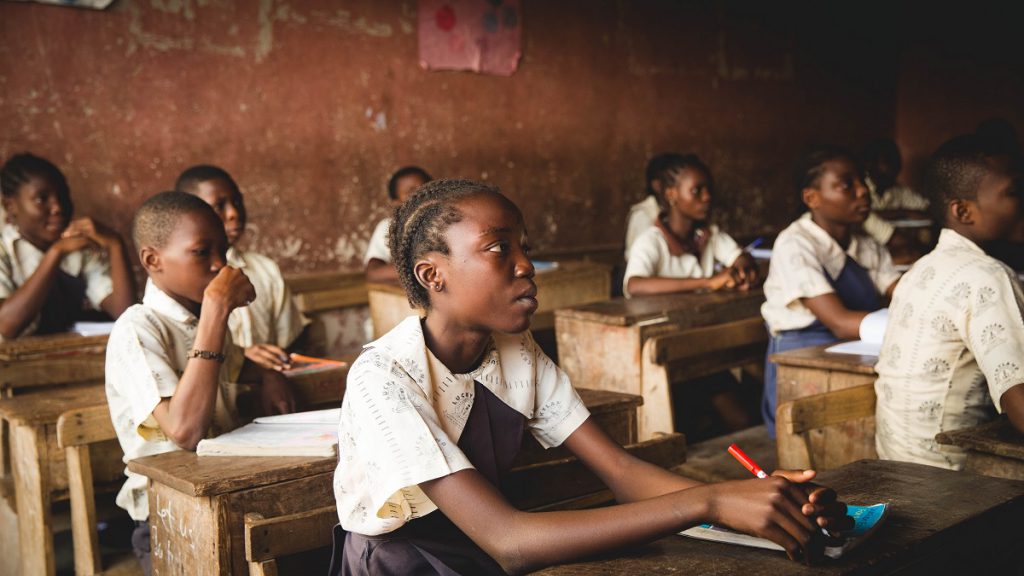
A child cannot learn without a suitable environment. In many countries in Africa, children are often placed in crowded or worn-out classrooms. They also lack textbooks, school supplies and other tools they need to succeed and excel.

4- A shortage of teaching materials
Six or more students often share old, worn textbooks in many parts of the world, along with a great shortage of workbooks, exercise sheets, reading instruction and other basic materials to help students learn their lessons.
Teachers also need materials to help prepare their lessons, share them with their students and guide their teaching.
5- Exclusion of children with special needs
Despite the fact that education is a universal human right, being denied access to school is common for 93 to 150 million children with disabilities in the world. In some low-income countries, up to 95 percent of children with disabilities are out of school.
Students with disabilities have lower attendance rates and are more likely to be kept away from school or to leave before finishing primary education. They are suspended or expelled at more than double the rate of their peers without special educational needs.
A mix of discrimination, a lack of training in inclusive teaching methods among teachers, and a lack of accessible schools makes this group uniquely exposed to being denied their right to education.
6- Challenges of girls’ education in low-income countries
Despite the progress many countries have made in girls’ education and literacy, this group is still among those most harmed by being denied education. More than 130 million girls around the world are currently not enrolled in school.
Economic hardship also forces many families to choose between their children as to who goes to school. Girls are often denied education because of the belief that educating a girl is worth less than a boy. Instead, girls are forced to stay at home to look after siblings and do housework.

7- Children in areas of conflict and disaster
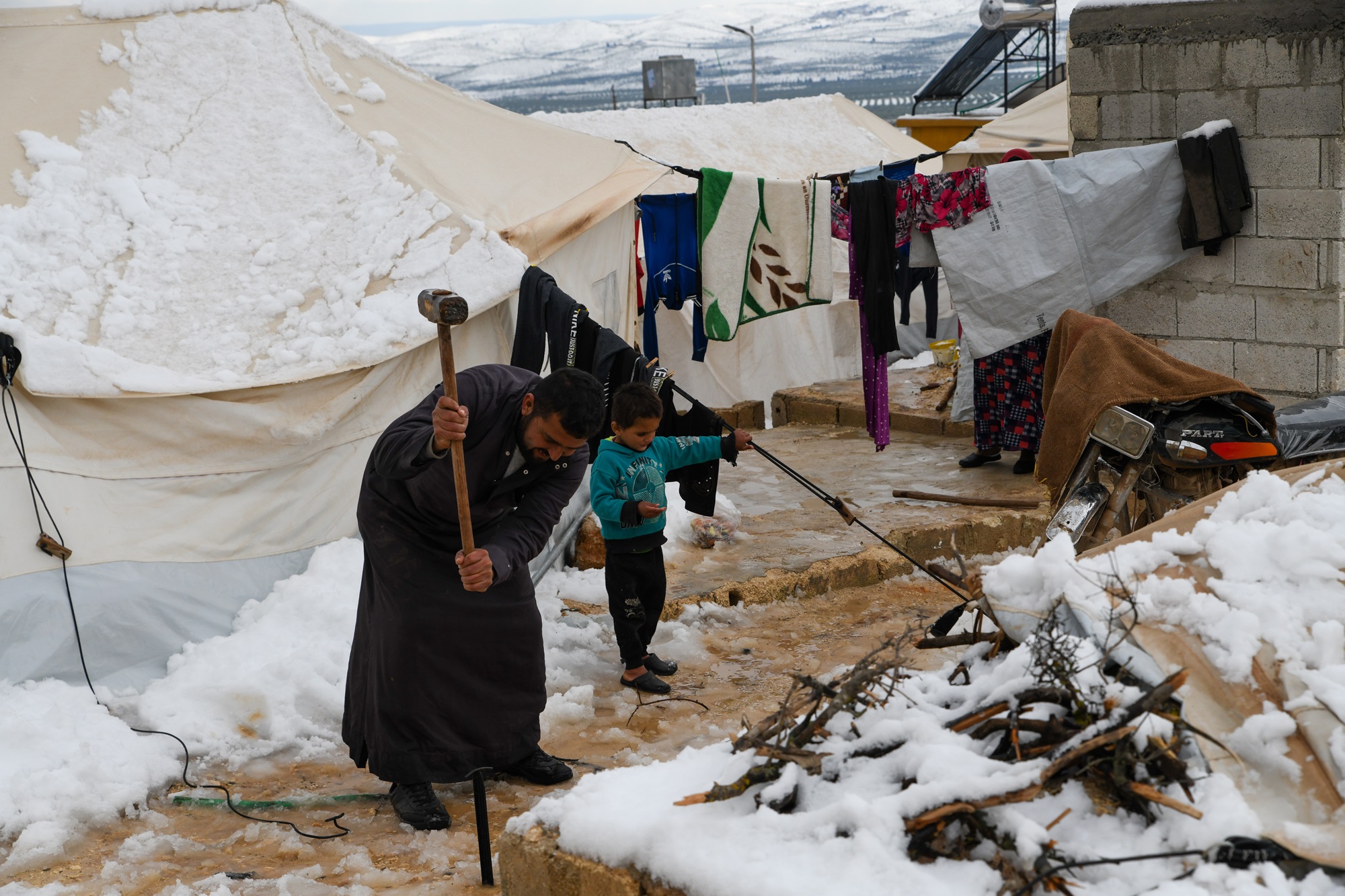
Children are among the most affected victims during conflicts and natural disasters. Educational institutions are often destroyed, and children then become more exposed to violence and the risk of not achieving schooling and dropping out of school.
Teachers and students often have to flee or take refuge during conflicts or natural disasters, and any chance of continued learning drops greatly.
Fewer than half of the world’s refugee children are in school, according to a study published by the UN Refugee Agency.
Without support, children affected by conflict lose the chance to reach their full potential to rebuild themselves and their communities.
8- The distance between home and school
In many low-income areas the time children travel reaches three hours each way, as well as leaving their homes in the early hours of the morning on empty stomachs and returning late in the evening. That greatly affects their psychological and physical health, not to mention their academic achievement, especially children with special needs or those suffering from malnutrition.
In addition to the risks that may face them every day on their long and dangerous journeys to and from school.
9- Hunger and malnutrition
Severe malnutrition can affect brain development. It is estimated that about 155 million children under the age of five suffer from stunting, which can affect a child’s cognitive abilities. As a result, stunted children are 19 percent less likely to be able to read by age eight. Conversely, good nutrition can be a decisive preparation for good learning.
10- Spending on education
The Universal Declaration of Human Rights makes clear that every child has the right to free basic education, so that lack of money is not an obstacle to education. That is why many developing countries have abolished school fees. As a result, they have seen huge increases in the number of children going to school.
But for many low-income families free education remains theoretical only. Parents are forced to pay “informal fees” such as the cost of school uniforms, books, pens, extra lessons, exam fees, or money to support school buildings.
In other areas state-supported public schools hardly exist, pushing parents to send their children to private schools. Many of the lowest-income families cannot afford them even if their fees are low.
An eleventh challenge: enrollment without learning
Education challenges do not end at the school door. Even among those enrolled, 70 percent of ten-year-olds in low- and middle-income countries cannot read and understand a simple text, up from 57 percent before the pandemic (World Bank). That is, addressing the previous nine challenges without addressing quality moves the problem and does not solve it.
Read also:
Frequently asked questions about education challenges
What are the main education challenges in low-income countries?
The most prominent are lack of funding, few qualified teachers, the absence of classrooms and teaching materials, distance, conflict, and hunger. One factor joins them: cost. When the home or the state cannot bear it, the child leaves school even if they want to stay.
How many children are out of school because of conflicts?
According to 2026 estimates, the education of 258 million children and adolescents in 87 countries was affected by crises, including 93 million entirely out of school, which is more than a third of those affected (Education Cannot Wait).
Are girls more affected by education challenges?
The gap exists but not always in the direction expected. Among children out of school are 133 million girls against 140 million boys, a trend that began in 2007. But girls face additional obstacles such as early marriage and distance (UNESCO).
How can I contribute to solving education challenges?
By supporting what removes the obstacle directly: sponsoring a student to cover the cost of continuing, or contributing to building and equipping schools and training teachers. These are the paths Qatar Charity works on in a number of countries through education projects.
The challenge can be solved when someone takes charge of it. Contribute to supporting children’s education through Qatar Charity.