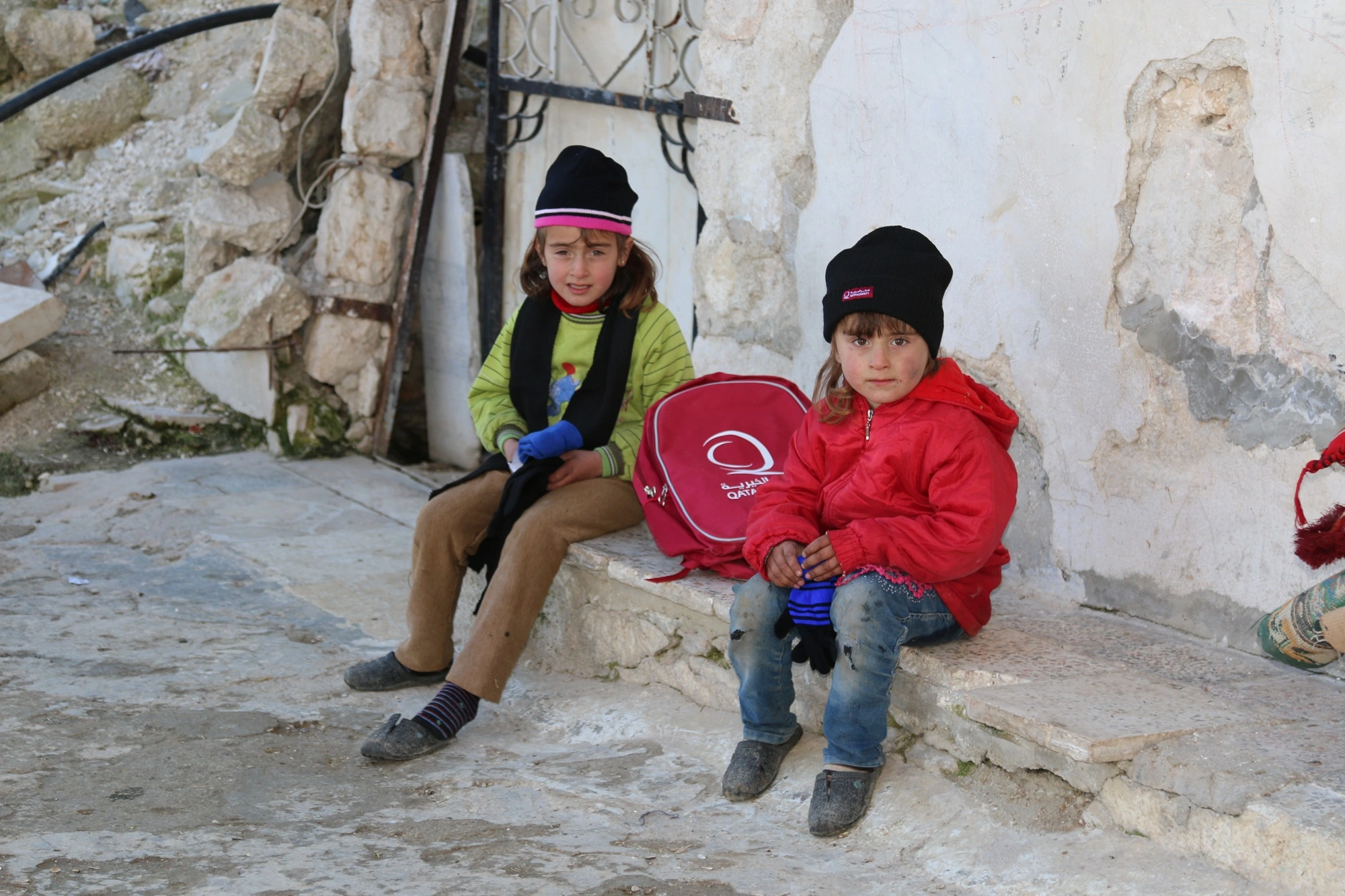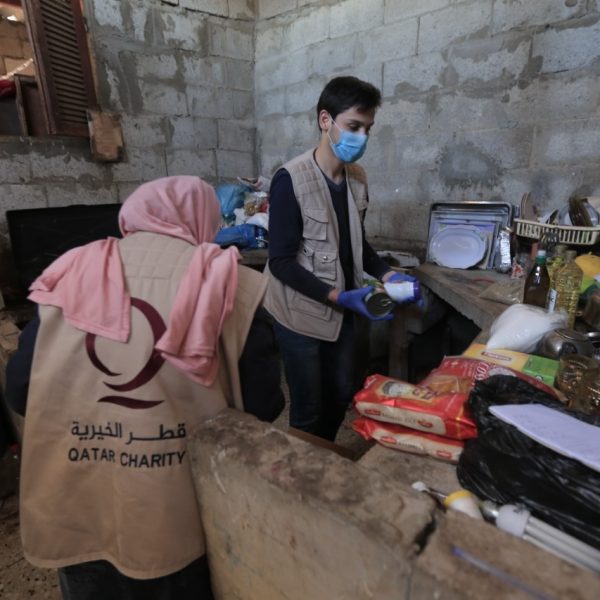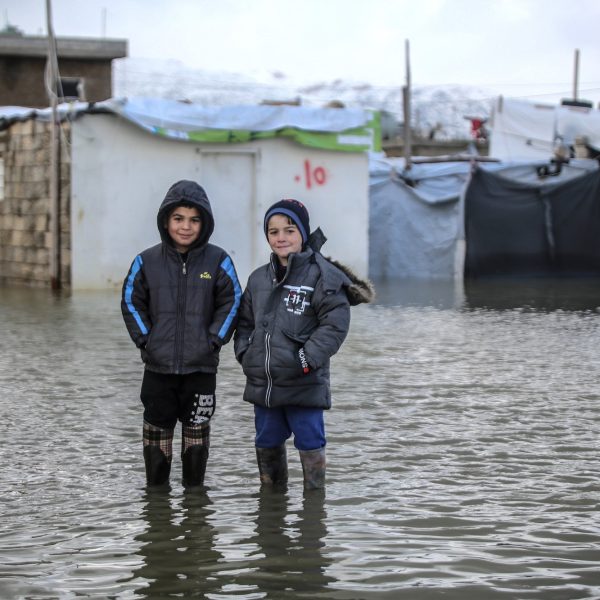
Winter clothing for children means the jackets, warm clothes, shoes and blankets that protect them from the cold. It is among the first things UNICEF gives children in winter, along with cash transfers that help families buy fuel and clothes. In Gaza, since the ceasefire, UNICEF has brought in thousands of tents and tens of thousands of blankets and winter clothing sets.
Why does winter clothing matter for children?
Because the cold raises the body’s need for energy, and children with weak immunity from malnutrition are more likely to suffer hypothermia and respiratory infection. Six children died in Gaza in December 2025 because of the harsh winter conditions.
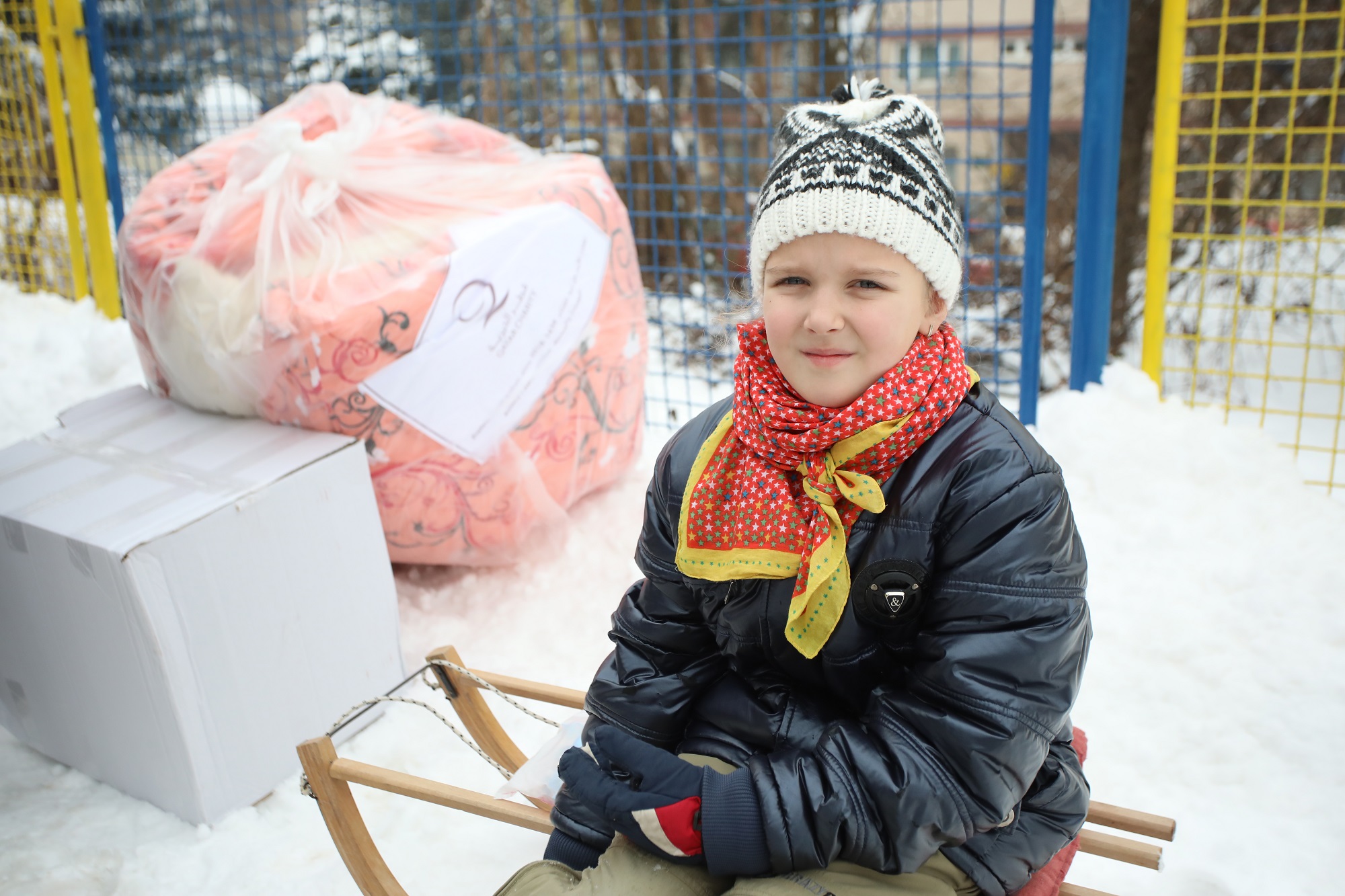
What does Qatar Charity’s children’s clothing bag contain?
In the “How Long?” campaign the charity distributed to displaced children in southern Gaza 18 thousand complete bags of winter clothing, with shoes for children and adults, and announced in the same season that the Rafaqa initiative would provide winter aid to thousands of beneficiaries in 16 countries. You can find the details in winter clothes for Gaza and in orphans in winter.
How do I donate winter clothing for children?
Take part through the donation page, and review the options of the current campaign before completing your donation.
Frequently asked questions about winter clothing for children
What does winter clothing for children include?
Jackets, warm winter clothes, shoes and blankets, as well as cash help for the family to buy fuel and clothes when needed, according to what UNICEF and humanitarian organizations provide.
Why do children need special clothing in winter?
Because many camp children have weak immunity from malnutrition, which exposes them to hypothermia and serious respiratory infection, and the risks grow when rain leaks into tents and soaks clothes and mattresses.
How many children died from the cold in Gaza?
UNICEF announced that six children died in Gaza in December 2025 because of the harsh winter conditions, and the number of deaths from the cold in the 2025-2026 season reached nine by 21 January 2026, according to the United Nations.