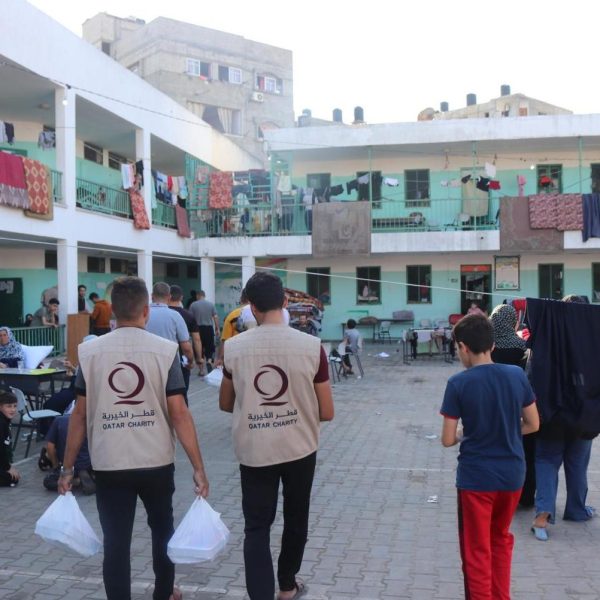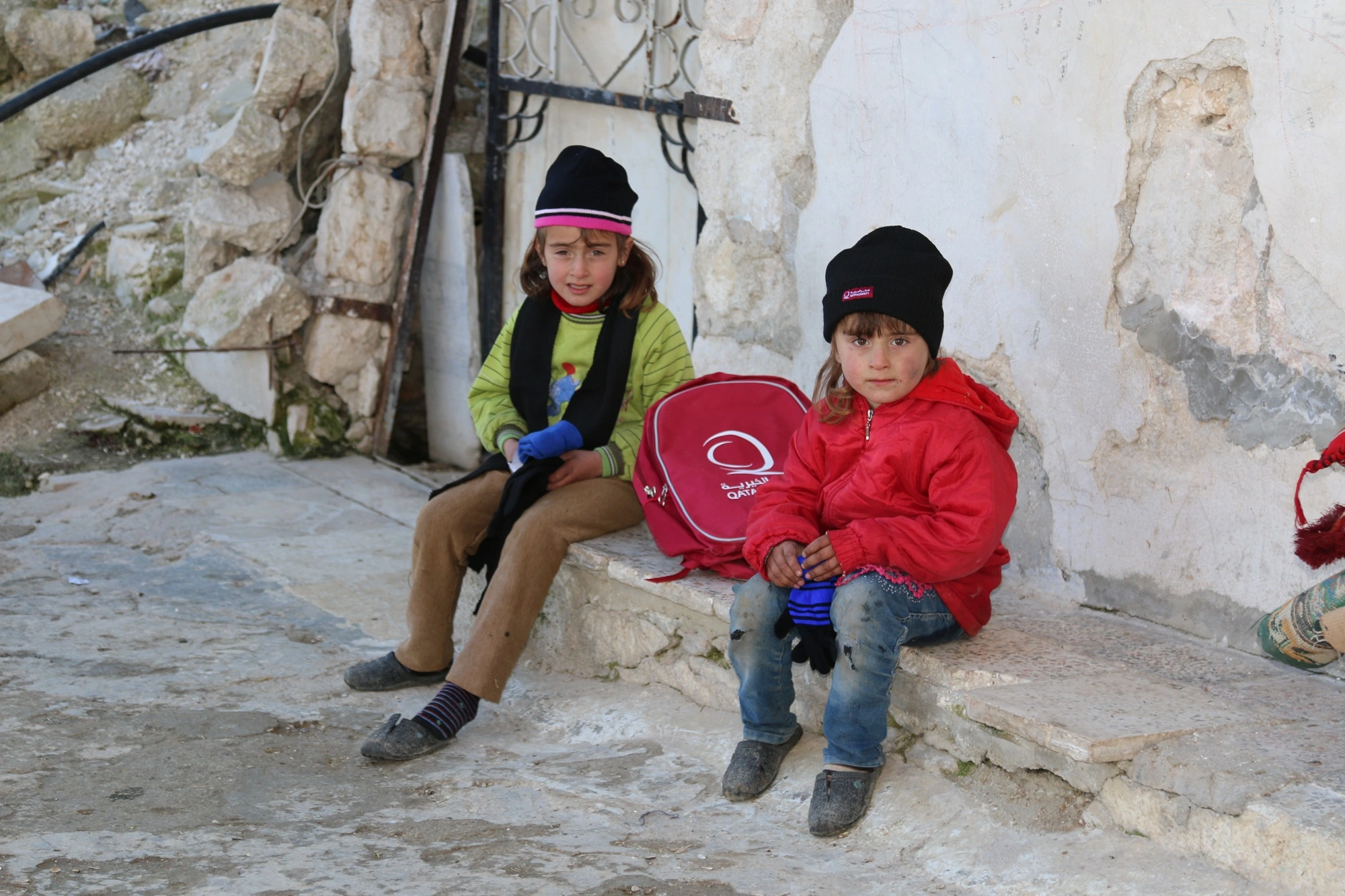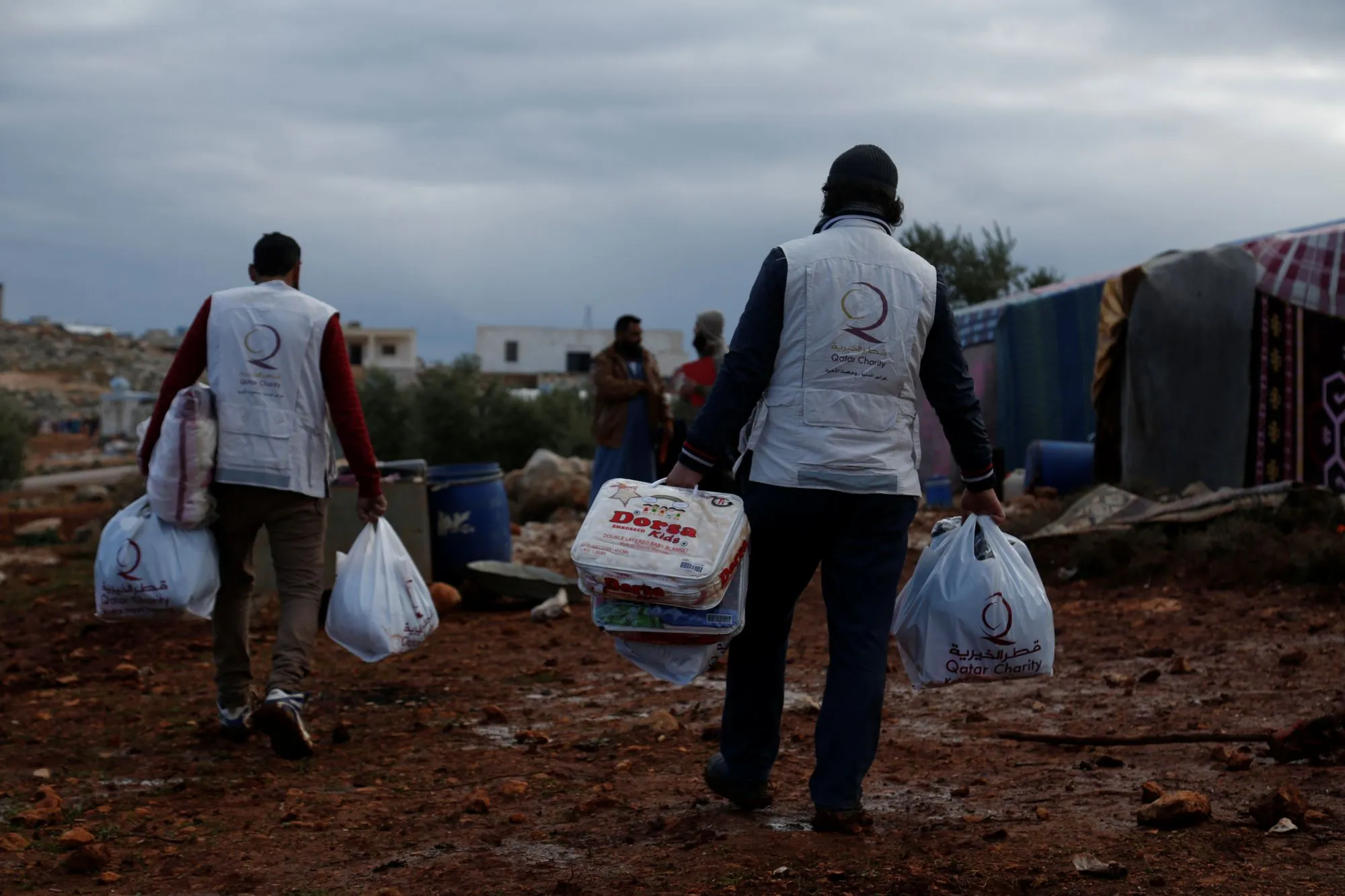
You support the displaced in winter by donating to shelter, blanket, clothing and food projects, through regular charity, by sponsoring orphans, and by spreading awareness of the campaign. The need is large: the United Nations announced a 2026 appeal of USD 33 billion for 135 million people in 50 countries, after the 2025 appeal was funded by only USD 12 billion.
What are the ways to support the displaced in winter?
- Donate for shelter: tents, plastic sheeting and sandbags for displacement sites.
- Donate clothing and blankets: bags of winter clothes, shoes and blankets for families and children.
- Hot food: food baskets and hot meals on cold days.
- Cash support: helps a family buy fuel and clothes according to its need.
- Regular charity: steady giving that continues after the season ends.
- Sponsor an orphan: continuous care that does not stop when the season ends.
- Spread awareness: share the campaign with your family and those around you.
What makes the biggest difference?
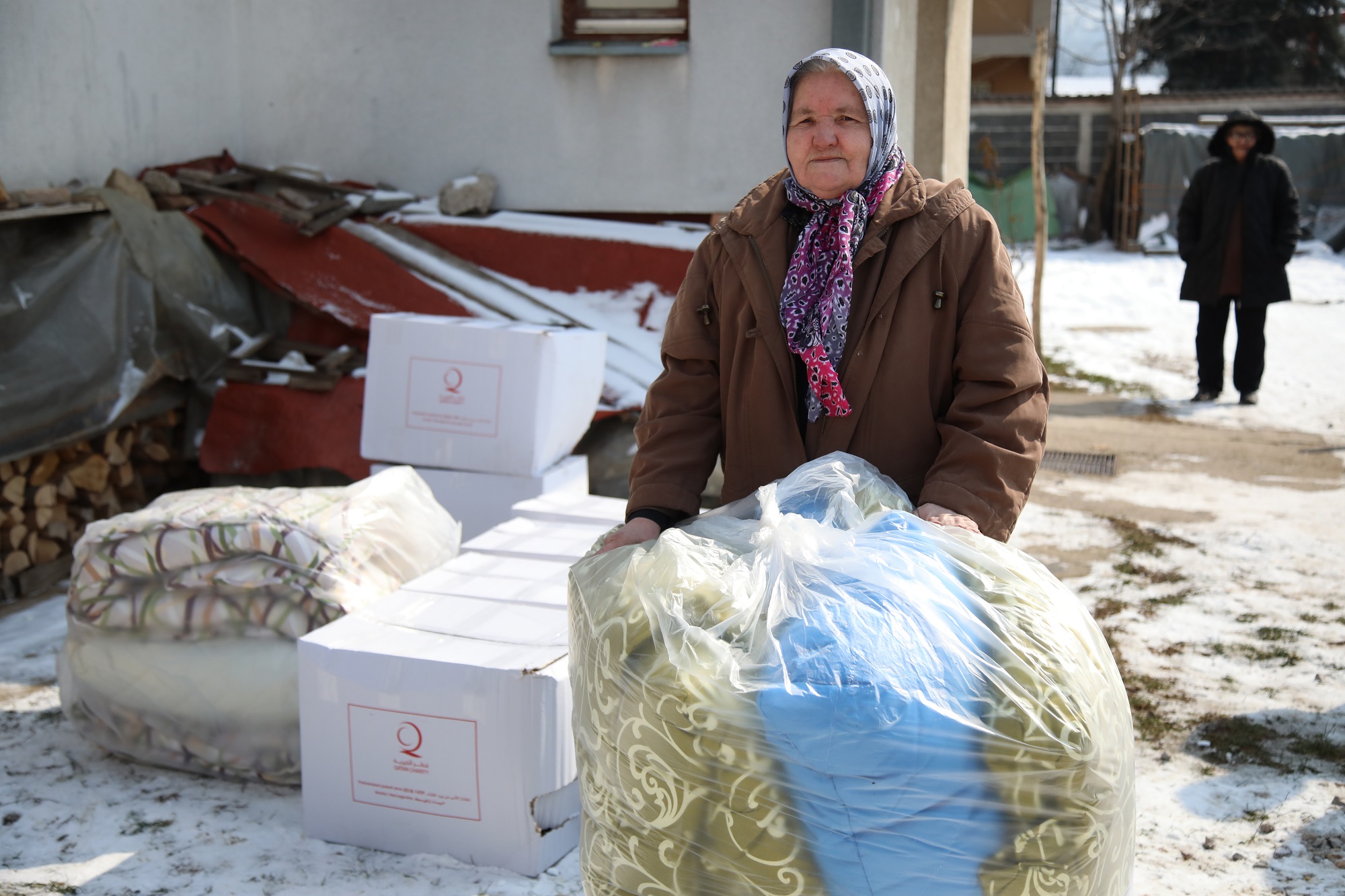
United Nations reports show that families first need tents, blankets and warm clothes, and that UNICEF provides blankets, jackets and cash transfers to children. So it makes sense for giving to go first to shelter and warmth.
How do I donate to support the displaced?
Take part through the donation page, and read about displaced people’s needs in winter and winter relief aid. Review the options of the current campaign before completing your donation.
Frequently asked questions about supporting the displaced in winter
What are the best ways to support the displaced in winter?
Donate first to shelter, blankets, warm clothes and hot food, then cash support, regular charity and orphan sponsorship, because these are the needs that recur in United Nations reports.
How much humanitarian funding does the world need in 2026?
The United Nations launched a 2026 appeal of USD 33 billion for 135 million people in 50 countries, of which USD 23 billion is for the highest priority for 87 million people, after the 2025 appeal was funded by only USD 12 billion.
What is the difference between cash support and in-kind aid?
Cash support lets a family buy fuel and clothes according to its need, and it is one of UNICEF’s tools in winter, while in-kind aid is blankets, tents and clothes distributed directly to families. Organizations usually work with both according to need and markets.