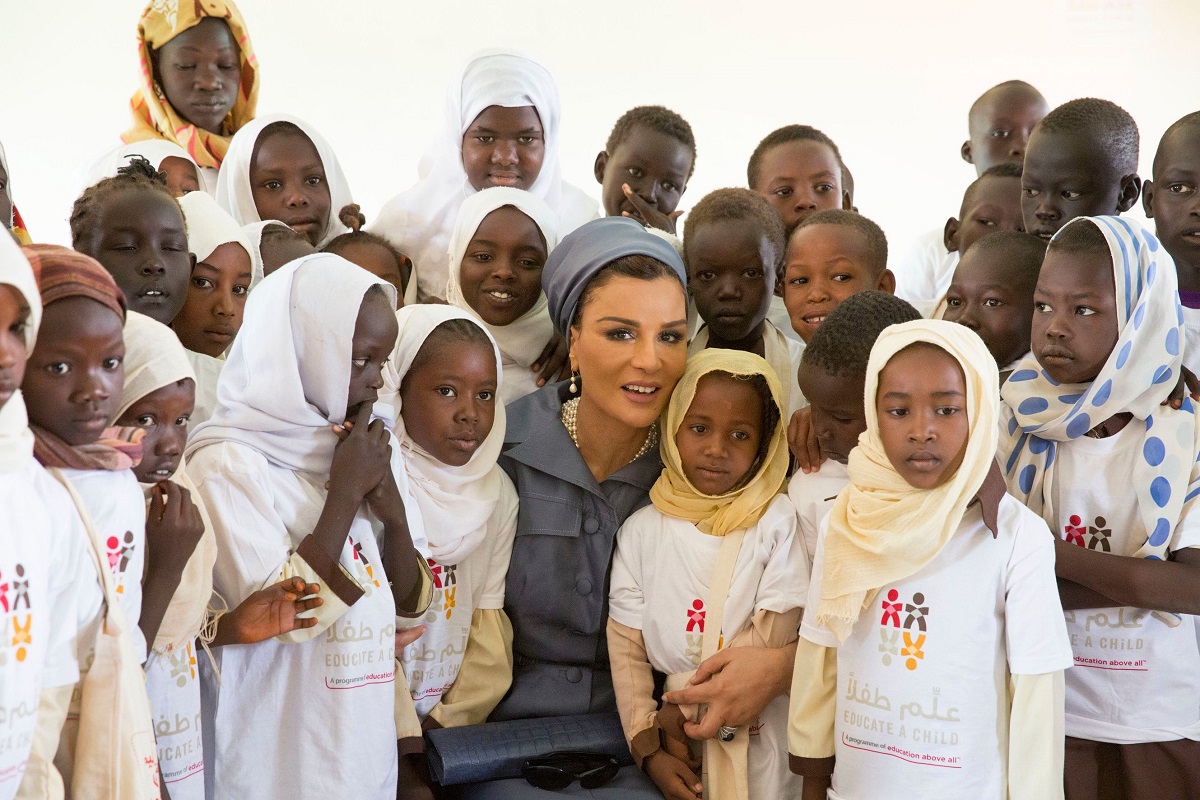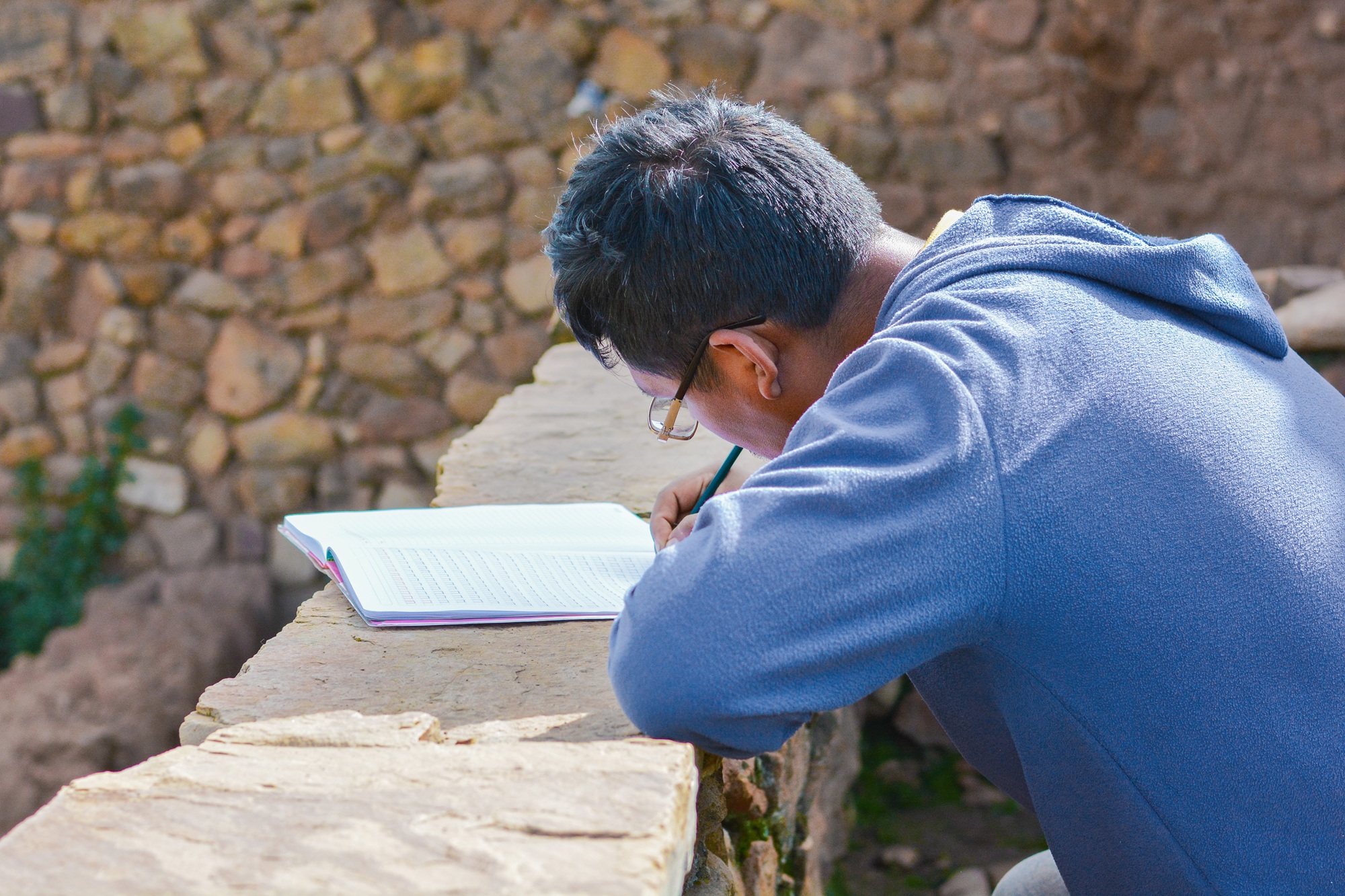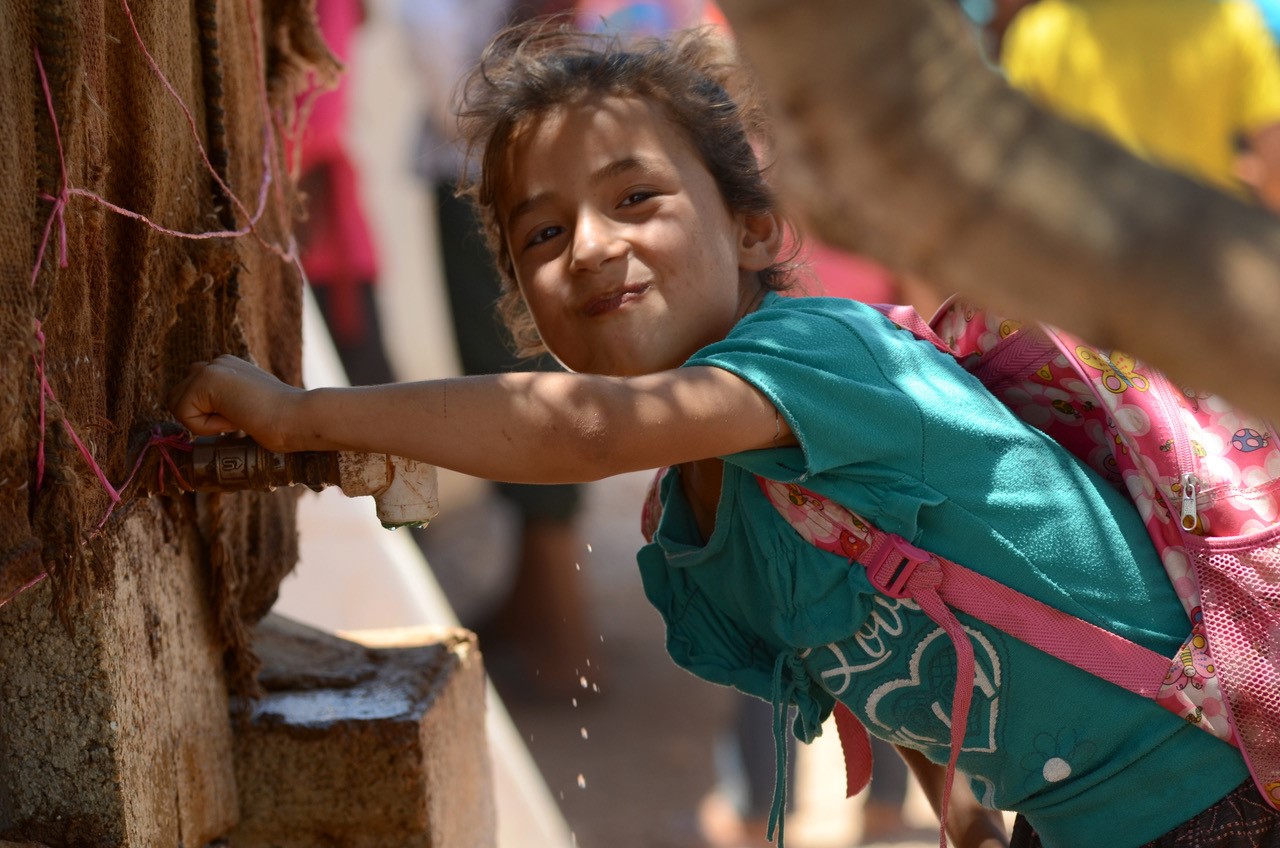

The International Day to Protect Education from Attack (9 September) comes as a result of Qatari efforts to raise awareness of the suffering of millions of children affected in conflict areas, and their urgent need for support in education. It reaffirms the commitment to protect the right to education in times of conflict, and to protect education from the continuing, deliberate attacks and widespread armed violence that children suffer in different parts of the world.
Protecting education is a collective responsibility that begins with advocacy and ends with direct support for the student, detailed in the guide Sponsoring a Student of Knowledge: Your Complete Guide.
This international day, called for by Her Highness Sheikha Moza bint Nasser, chair of the board of the “Education Above All” foundation and member of the United Nations group of advocates for the Sustainable Development Goals, and adopted by the United Nations General Assembly, highlights the plight of more than 75 million children aged between 3 and 18 in 35 crisis-affected countries. It also encourages endorsing and implementing the Safe Schools Declaration, and stresses the importance of monitoring attacks on education.
The adoption of the “International Day to Protect Education from Attack” also reflects the leading role of Her Highness Sheikha Moza bint Nasser, advocate of the United Nations Sustainable Development Goals, as the driving force behind the initiative that led to the resolution’s adoption. This is thanks to Her Highness’s clear vision and in recognition of her efforts in education at the global level.
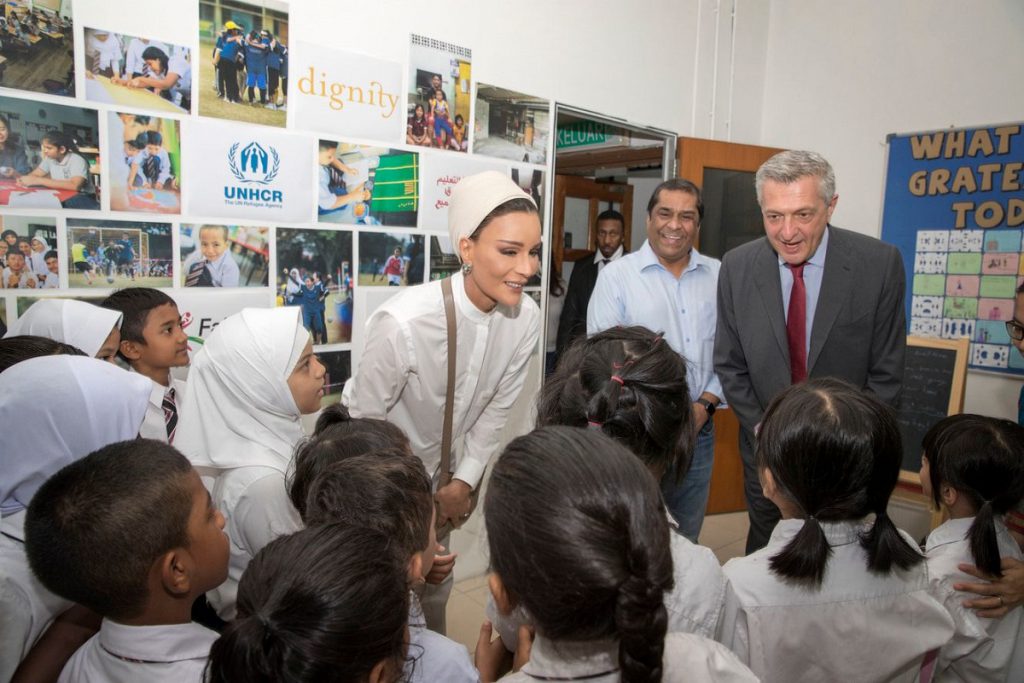
On the first International Day to Protect Education from Attack in May 2020, organized by the “Education Above All” foundation in the State of Qatar with UNICEF and UNESCO, the organizers called for an end to attacks on education and for world leaders to protect this basic human right. This call comes amid the devastating impact of the COVID-19 pandemic on education worldwide, especially in conflict areas and fragile states.
A global call to address the effects of illiteracy and deprivation of the right to education
Her Highness Sheikha Moza bint Nasser stressed the need for a unified global call to set up effective mechanisms to monitor violations of international law and ensure those who commit them are held accountable, saying: “While we work to eradicate illiteracy, there are those who work to spread it, as if there were a systematic attack on everyone and everything that aims to build the human being. Perhaps it is the illiteracy of consciences that always clashes with the awakening of minds.”
According to recent statistics from the Global Coalition to Protect Education from Attack, more than 11 thousand attacks on education were reported in 93 countries over the past five years, killing or injuring 22 thousand children, teachers and academics, and many of these attacks were met with impunity.
Without quality education for all, said Mr. Antonio Guterres, Secretary-General of the United Nations, we cannot eradicate deprivation, address inequality, fight climate change or promote peace. “Without education, we simply cannot achieve the Sustainable Development Goals.”
It was not imagined that a more dangerous day could come. Even before the spread of the COVID-19 pandemic, some children and young people living in the developing world faced almost daily attacks on education, from air strikes to restrictions on travel and labor, to floods and natural disasters. Now this pandemic puts the progress made in securing education at risk.
Read also:
Frequently asked questions about protecting education
What is the International Day to Protect Education from Attack?
A global day falling on 9 September every year, adopted by the United Nations General Assembly on an initiative of the State of Qatar, to raise awareness of the suffering of millions of children in conflict areas and reaffirm the commitment to protect the right to education.
Why is education targeted in conflicts?
Because the school is a symbol of the continuation of civilian life, and disrupting it empties a whole region of its future. Attacks include bombing schools, using them for military purposes, and targeting teachers and students on their way to them.
How many children’s education is affected by crises?
About 258 million children and adolescents in 87 countries had their education affected by crises, of whom 93 million are entirely out of school, according to Education Cannot Wait’s 2026 estimates. The number rose by more than 21 million in eighteen months.
How can individuals contribute to protecting education?
By advocacy and spreading awareness on this day and others, and by direct support through sponsoring a student of knowledge or donating to education programs in conflict areas, which rebuild what attacks destroy and keep the student in their seat.
What is the difference between protecting education and supporting it?
Support provides the school, the teacher and the seat, while protection prevents the destruction of what was built and keeps the school from becoming a target or barracks. The first is an investment and the second guards it, and each without the other is incomplete. That is why the international day exists alongside funding programs and not in place of them: advocacy protects what projects build, and projects give advocacy something to protect.