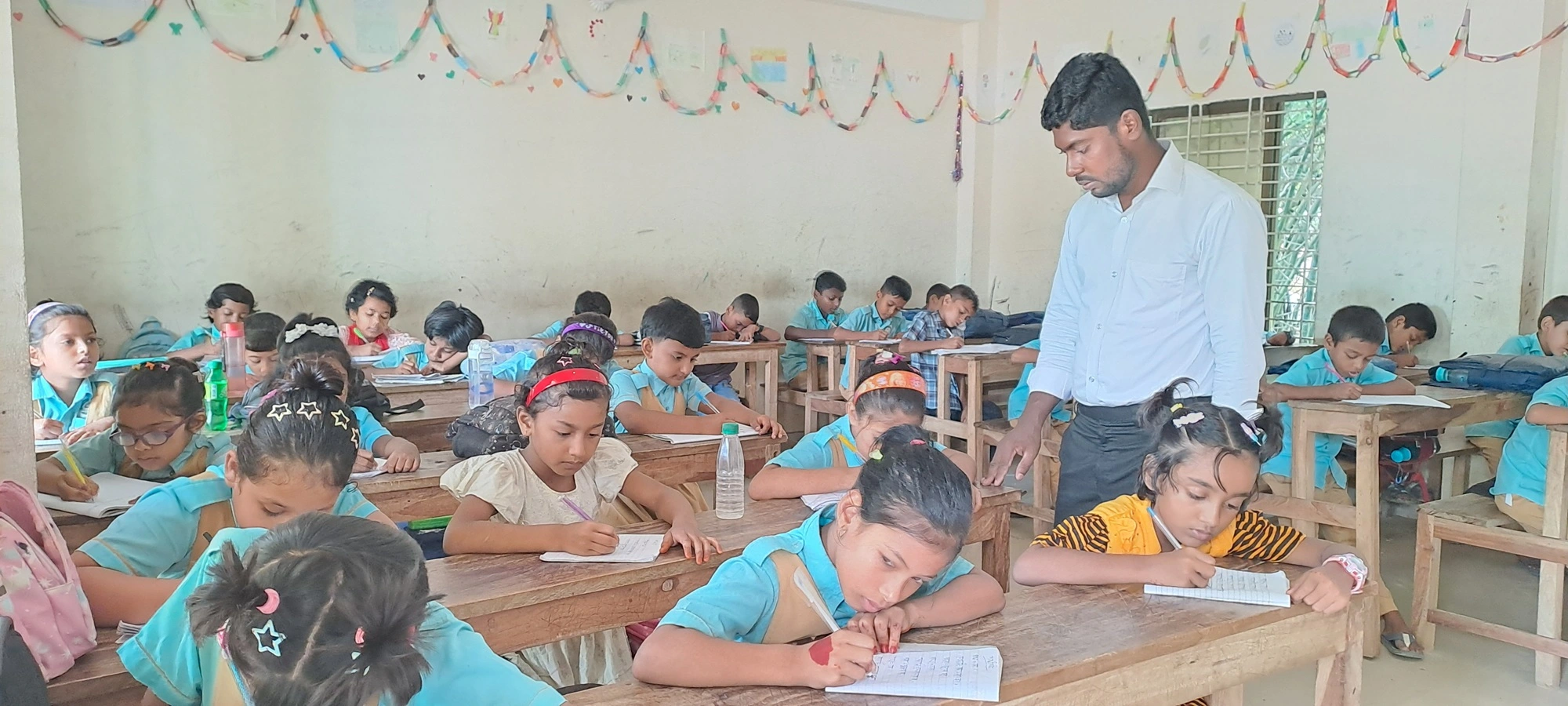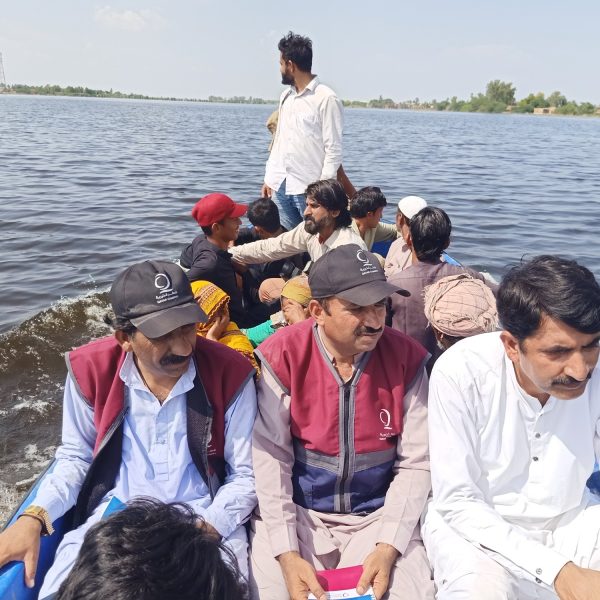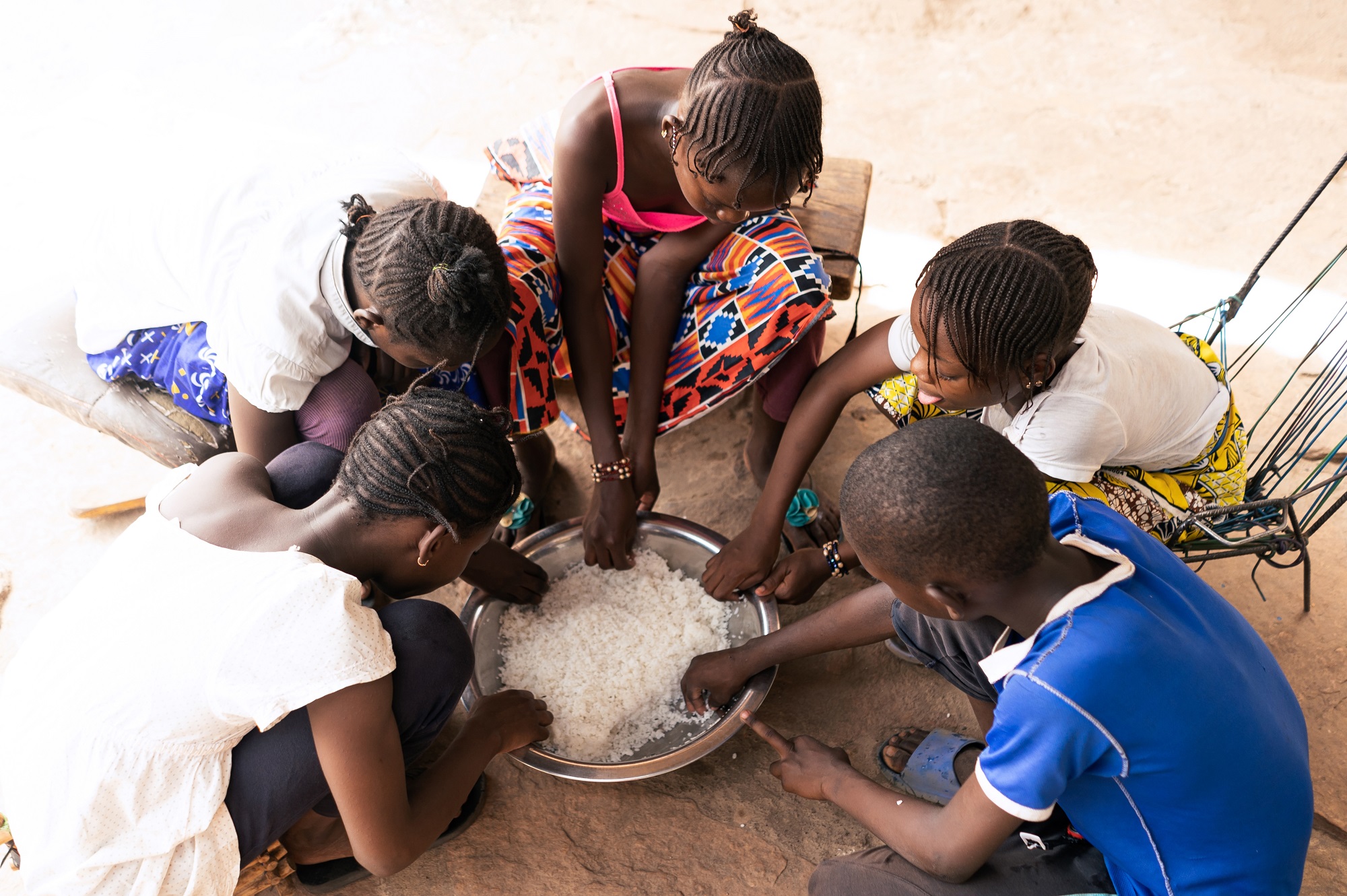
Her Highness Sheikha Moza bint Nasser is among the pioneering Arab women who have moved beyond official responsibilities into the space of humanitarian work and influence on societies around the world. Her Highness has played a prominent role in improving education locally and globally.
The vision of Education Above All and individual effort meet at one point, sponsorship, detailed in the guide Sponsoring a Student of Knowledge: Your Complete Guide.
Her Highness is known for her passion for education and her belief in its power to strengthen opportunities and transform societies. For this reason she is committed to ensuring that every child has the right to access quality education and the possibility of going to school in a safe environment.
She has devoted her efforts and interests to several fields ranging between education, human and humanitarian development, family issues and rapprochement between peoples. To support her roles at the United Nations and her commitment to the general right to education, Sheikha Moza has set a number of international initiatives that protect and strengthen access to education.
Birth and upbringing
Sheikha Moza bint Nasser Al-Missned was born in the Qatari capital, Doha.
Study
She was educated in Qatar and earned a bachelor’s degree in sociology from Qatar University in 1986.
Posts and responsibilities
Her Highness Sheikha Moza has held many posts, including chair of the board of Qatar Foundation for Education, Science and Community Development, which was founded in 1995 and became known for the Education City project, vice chair of the Supreme Education Council 2006-2012, vice chair of the Supreme Council of Health 2009-2014, and she currently chairs the board of Sidra Medicine, along with many other posts inside the State of Qatar.
Her Highness also plays an effective and active role at the United Nations in support of education at the global level. In 2016 she was appointed a member of the United Nations group of advocates for the Sustainable Development Goals. This follows her earlier membership of the United Nations advisory group on the Millennium Development Goals, which paid special attention to the second goal on universal basic education.
Her Highness also served as Special Envoy for Basic and Higher Education for the United Nations Educational, Scientific and Cultural Organization (UNESCO). She launched several projects, led by the International Fund for Higher Education in Iraq. In 2012 she was appointed a member of the steering committee of the UN Secretary-General’s Global Education First Initiative, an initiative that seeks to get children into school and improve the quality of education.
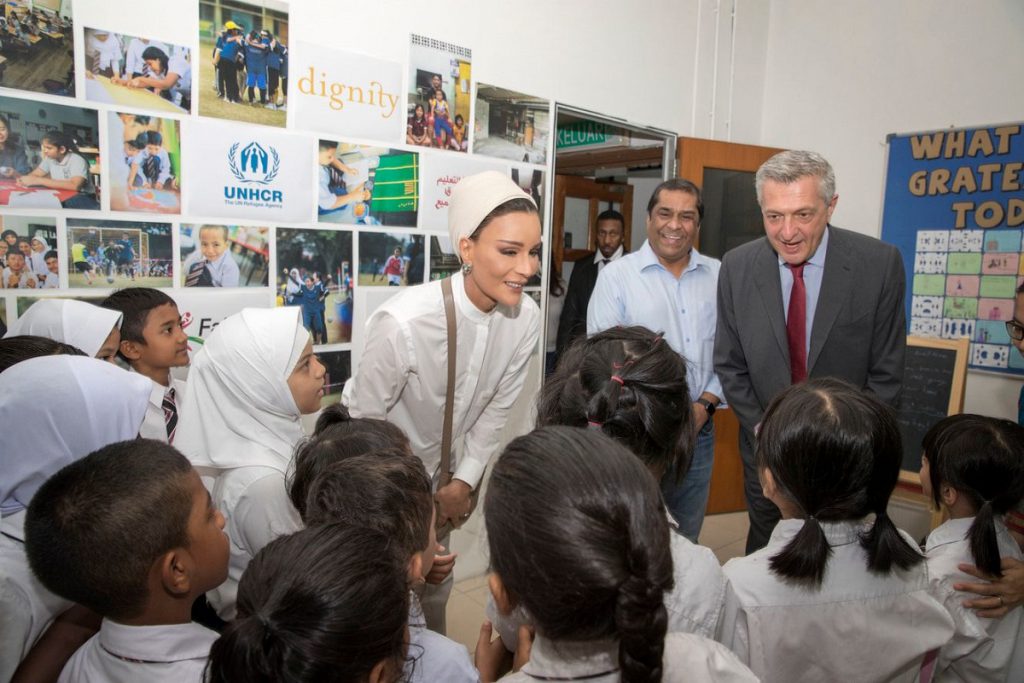
Launching the “Education Above All” foundation
She also founded the “Education Above All” foundation in 2012, to provide education and new life opportunities for children and young people in conflict areas and the marginalized through its various programs such as the “Educate A Child” program, the “Protecting Education in Insecurity and Conflict” program and the “Al Fakhoura” program, and the “Hands of Goodness toward Asia” program.
The foundation works to ensure that all children in the developing world benefit from their right to education, especially those not enrolled in schools, who currently number 59 million children. The foundation addresses education issues with a special commitment to the most deprived groups in the world through capacity building, mobilizing resources and forming multi-sector alliances and partnerships.
In 2018 Her Highness announced that the foundation’s “Educate A Child” program had succeeded in reaching its goal and bringing 10 million children back into schools worldwide.
She also launched the Silatech foundation to widen economic opportunities for young people through initiatives and programs aimed at strengthening employment and entrepreneurship opportunities in more than 17 countries, including Algeria, the Comoros, Egypt, Iraq, Jordan, Lebanon, Morocco, Oman, Palestine, Qatar, Saudi Arabia, Somalia, Sudan, Syria, Tunisia and Yemen.

Awards and honors
Her Highness Sheikha Moza bint Nasser has received honors and recognition from international bodies and long-established scientific institutions such as the Academy of Fine Arts of the Institut de France in 2009.
She also received the Carnegie Medal of Philanthropy, the Chatham House Prize in 2007, and the George Bush Award for Excellence in Public Service in 2013.
She has also earned a number of honorary doctorates from distinguished universities, such as Virginia Commonwealth University, Texas A&M University, Carnegie Mellon University, Imperial College London and Georgetown University, in recognition of her efforts in education, human development, scientific research, bringing cultures closer and sustainable humanitarian development.
Sheikha Moza’s name was included among the 100 most important and powerful women in the world according to the American magazine Forbes, for her known responsibilities around the world in the fields of community development, education, science, health, culture, thought and more.
Read also:
Frequently asked questions about Education Above All
What is the Education Above All Foundation?
A global Qatari foundation that works to make education available to children and young people affected by loss, conflict and disasters, through funding, advocacy and education protection programs. It was launched from Doha and expanded to cover dozens of countries.
How many children are out of school around the world?
About 273 million children and adolescents in 2024 according to UNESCO, of whom 79 million are of primary age, 64 million lower secondary and 130 million upper secondary. About three quarters of the number are concentrated in Central and South Asia and sub-Saharan Africa.
Why is girls’ education a priority in these programs?
Because the effect of educating a girl extends to her family’s health, income and her children’s education, so it is the development intervention with the highest return. Even so, 133 million girls are still out of school worldwide according to UNESCO 2024.
How do I contribute to supporting children’s education in conflict areas?
Through Qatar Charity’s education programs, which include building schools, sponsoring students and providing school supplies. You can choose the country and the type of support, and the donation is dedicated to this purpose and not spent on anything else.