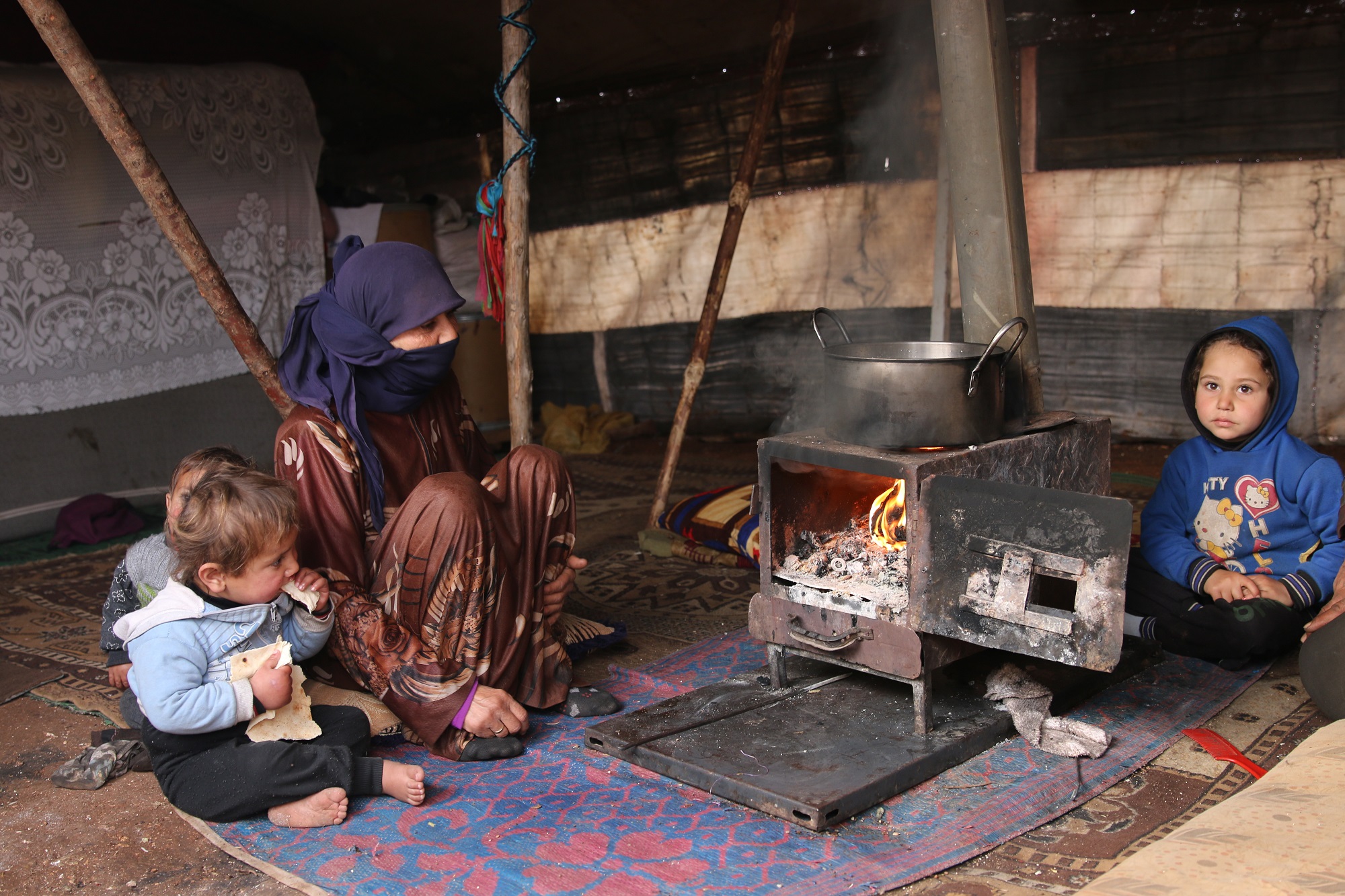

The Holy Quran and the noble Sunna urged us to sponsor orphans and provide the care they need. God Almighty says in His Book: “They ask you about orphans. Say: setting right for them is best; and if you mix your affairs with theirs, they are your brothers. And God knows the corrupter from the reformer. Had God willed, He would have made it hard for you. Indeed God is Mighty, Wise” (Al-Baqarah: 220). Caring for orphans and vulnerable children is among the most important humanitarian tasks that society must attend to. In this article we review the six best ways through which orphans and vulnerable children can be supported.
The first and most comprehensive of these ways is sponsorship, detailed in the guide Orphan Sponsorship: Its Rulings and How to Begin Today.
The first way: orphan sponsorship
Orphan sponsorship gives them the financial and moral support necessary for healthy and sound growth. Sponsorship includes providing basic needs such as food, shelter, education and health care.
- Orphan sponsorship also goes beyond material support to include providing a healthy psychological and social environment that helps the orphan grow and develop soundly. That is why Qatar Charity’s sponsorship program includes providing basic education for orphans, ensuring they get educational opportunities that help improve their future. It also provides recreational and educational programs and activities that help children develop their skills and gain self-confidence.
- It strengthens in them the sense of safety and psychological stability, which helps reduce the effects of losing a family.
Qatar Charity is among the leading organizations offering comprehensive sponsorship programs for orphans. These programs provide integrated care including health, education and psychological care. Orphans are chosen carefully to make sure sponsorship reaches the most vulnerable groups. Sponsorship also includes periodic follow-up of the orphan’s condition to make sure they receive the support they need and their living conditions improve.
The second way: financial and in-kind donations
Financial and in-kind donations help improve the lives of orphans and vulnerable children.
- Donations can be cash or in kind, such as clothes, books, toys and food. They help meet children’s basic needs and provide a stable living environment.
- Donations also help cover the costs of education, health care and recreational activities. In-kind donations help meet children’s daily needs, giving them a sense of safety and care.
The third way: psychological and social support
Orphans greatly need psychological and social support to ensure healthy and sound growth.
- Counseling sessions and interactive programs are offered that strengthen their self-confidence and help them overcome the difficulties they face.
- This includes providing a safe environment in which children feel love and care.
- Psychology specialists offer individual or group counseling sessions for children to help them express and understand their feelings.
- Interactive programs help strengthen children’s social communication and help them build healthy relationships.
- Psychological and social support helps reduce children’s feelings of isolation and loneliness, which strengthens their psychological and social health.
The fourth way: educating and training orphans
Education and vocational training are among the most important ways to ensure a better future for orphans. Education changes orphans’ lives greatly by:
- Providing new opportunities for them. Education programs let children gain the academic and knowledge skills needed to build their future.
- Vocational training is an effective way to qualify orphans for the labor market.
- Training courses are offered in different fields such as handicrafts, technology and services. These courses help children gain the practical skills that let them enter the labor market and secure an independent source of income.
- Vocational training strengthens orphans’ independence and their ability to achieve economic and social success. Charities and organizations contribute to offering these education and training programs.
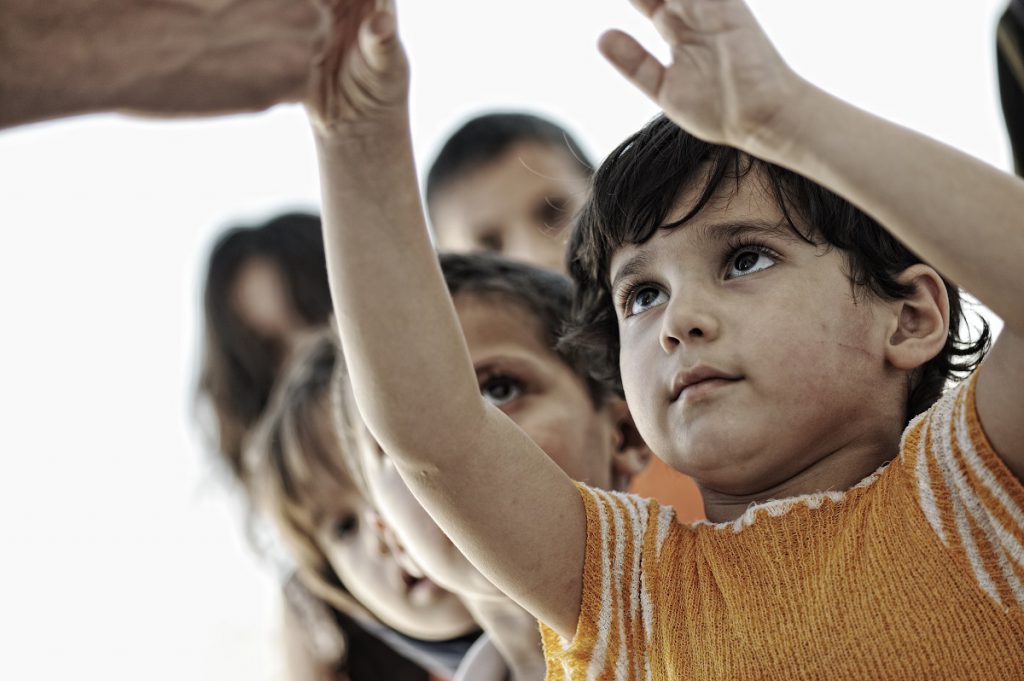
The fifth way: strengthening family support and contact with extended families
Strengthening family ties and contact with extended families is an effective way to support orphans and vulnerable children. This includes:
- Organizing programs that aim to strengthen communication between orphans and their relatives such as grandparents, uncles and aunts, and also offering support to the extended families that take orphans in.
- Such initiatives help improve children’s emotional stability and provide a supportive environment for them by building strong family relationships.
- These programs include organizing regular meetings, shared family activities, and offering psychological and social support to extended families to help them give orphans good care.
The sixth way: organizing development camps
Development camps are a distinctive way to support orphans and vulnerable children through:
- Offering educational and recreational experiences in a stimulating environment. These camps include varied activities such as nature trips, practical workshops and group training aimed at strengthening life skills and building self-confidence.
- Camps give orphans chances to learn new skills and improve their social abilities, and to develop their personal sides in an unconventional environment.
- Outdoor and interactive activities help strengthen creativity, cooperation and taking responsibility. Camps also encourage building new friendships and learning how to interact positively within a group.
- Such gatherings are a chance to escape daily routine, gain new skills, and enjoy a pleasant time in a safe environment. This kind of support strengthens their personal development and gives them positive memories and useful experiences.
In conclusion
Caring for orphans and vulnerable children plays a vital role in improving their lives and ensuring them a better future. Through orphan sponsorship, donations, volunteering, psychological and social support, and their education and training, we can all contribute to bringing positive change to their lives. We call on every individual to take part in supporting orphans and vulnerable children, for every small effort can make a big difference in their lives. This support reflects the community’s commitment to giving these children the care they need and ensuring a better future for them. Supporting orphans and vulnerable children is a humanitarian duty and an investment in building a more cohesive and just society.
Read also:
- The Orphan Sponsorship Guide: Its Rulings and Steps to Begin
- Trusted Ways to Sponsor an Orphan
- Social Care and Psychological Support for Orphans
Frequently asked questions about supporting orphans
What is the best way to support orphans?
Regular sponsorship is the most comprehensive, because it covers maintenance, education and health care together and lasts for years. But in-kind donation, psychological support and volunteering in educational programs are all real ways, and each has an effect that nothing else replaces.
Can orphans be supported without a monthly financial commitment?
Yes. In-kind donation, volunteering in educational programs and camps, spreading awareness, and helping the extended families that take in orphans are all forms of support that do not require a regular financial commitment.
Why does supporting the extended family matter?
Because keeping a child within their extended family is better for them than institutional care, which UNICEF explicitly recommends. Supporting the grandfather, uncle or maternal uncle who takes in the orphan preserves the child’s environment and relationships instead of uprooting them.
What is the role of development camps in supporting orphans?
They give the child what money does not: relationships with peers, practical skills and a sense of belonging to a group. They are among the cheapest forms of support and the most effective on the psychological and social side.