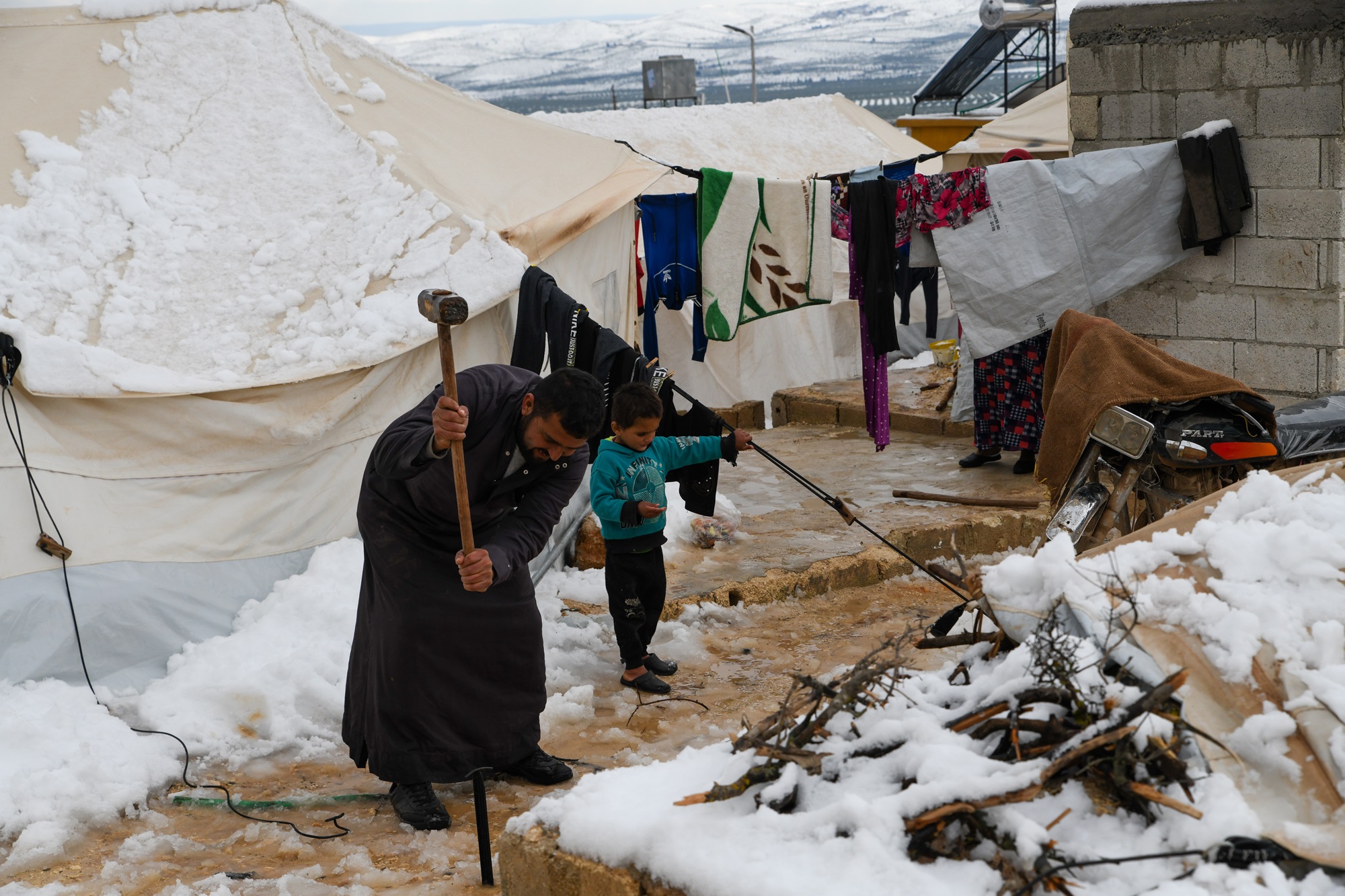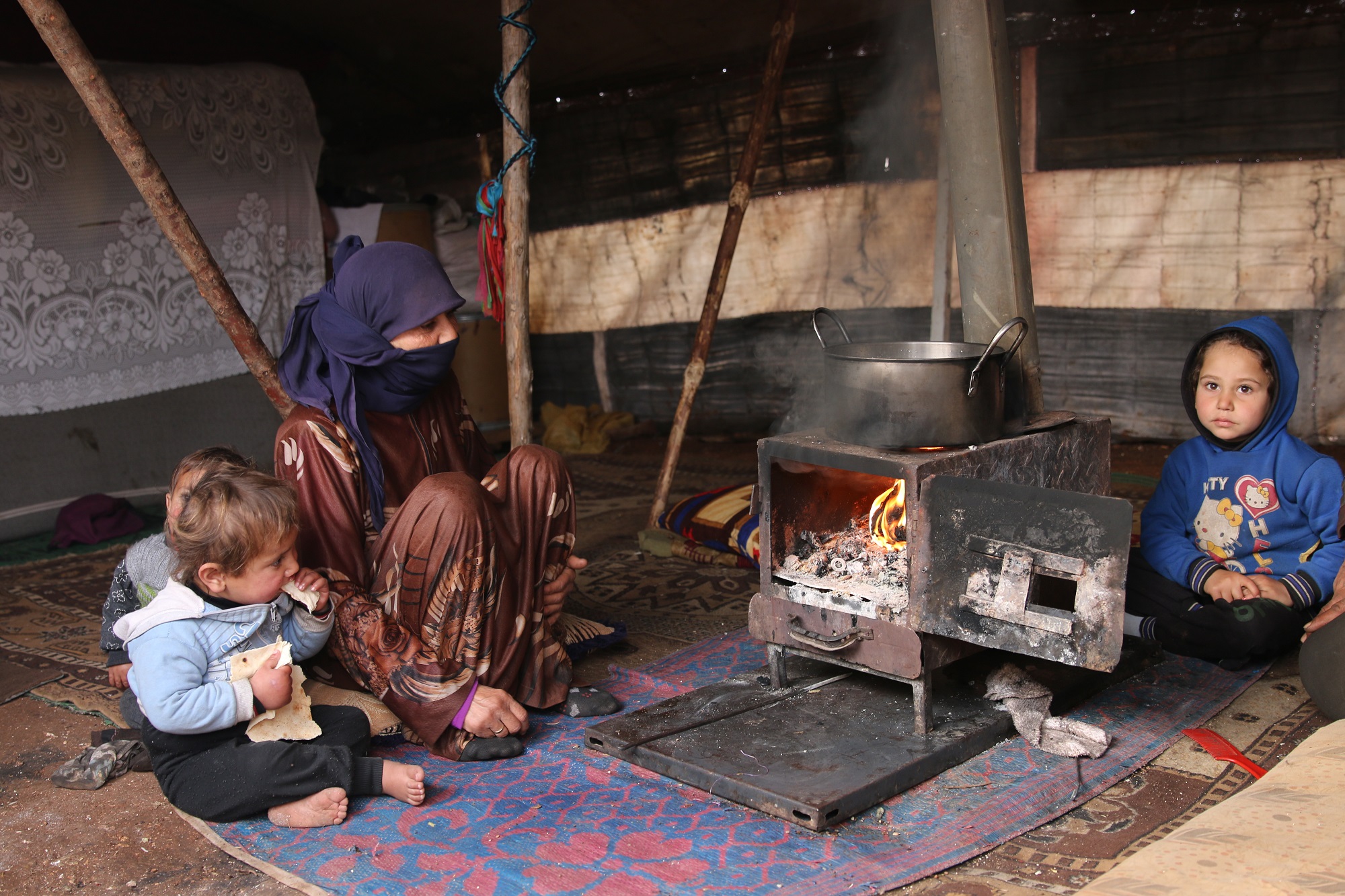

Children are the group most at risk in society: many young boys and girls suffer abuse, violence and physical and moral assault, which may be due to special circumstances related to the child, such as nationality, color, appearance, ethnicity and religion, or to the spread of violence among adults in society. Wars and natural disasters may be the most dangerous environment, with the greatest capacity to destroy a child’s life and deprive them of enjoying the natural rights and freedoms agreed in global charters, treaties, declarations and covenants.
Protecting children in disasters and crises is a first step, followed by continuing sponsorship after the crisis ends, whose rulings you can find in the guide Orphan Sponsorship: Its Rulings and How to Begin Today.
It goes without saying that disasters and crises affect families as social structures and expose them to many pressures and burdens, which may lead some of them to become a source of threat to the child instead of protecting them, as those pressures are released. The potential risk of domestic violence is usually the worst of child protection violations, and other practices may include early marriage, child labor, ill-treatment, neglect and other harmful practices[1]. In general, these practices are hard to identify and know easily, and hard to follow and monitor continuously, but the basic standard in these cases lies in the need for children to be protected from physical violence and other harmful practices, and so many responses suited to each child’s age, sex and situation must be provided[2].
Children’s experiences and exposure to disasters and other negative events can plant the seeds of far-reaching physical, cognitive and emotional changes that may not fully reveal themselves for decades[3]. Socially, children are part of a number of relationship care networks, within families, peer groups, schools and many other organizations and institutions in their lives, which may ease or worsen the effects of disasters.
How do we protect children and orphans during disasters and crises?
- One of the best ways to protect children in emergencies is to build a “culture of risk reduction” before disasters happen. For example, Jamaica’s Office of Disaster Preparedness and Emergency Management has carried out many programs to teach children in schools about local hazards and the ways they can reduce the risks they face. Jamaica is also committed at the national level to integrating children’s rights into all disaster response activities, and has set out a comprehensive set of guidelines to make sure children’s needs are met in post-disaster situations[4].
- Preparing families, supervisors, caregivers and everyone who works with children and orphans appropriately through intensive training programs.
- Strengthening children’s and orphans’ resilience to survive, adapt and recover from loss and disruption.
- Providing safe spaces, recreational programs and psychological support and debriefing sessions.

Building children’s capacities and involving them in managing disasters and crises
In the preparedness stage for disasters and crises, children and their adult relatives must be consulted, and the community’s own point of view and concepts of violence and physical harm must be understood, including domestic violence and corporal punishment as society sees it. This is followed by mapping the harmful practices that may increase during disasters, including the mechanisms the community customarily uses to respond to hazards. Specialized staff must also be relied on to apply the legal protection of children across different fields and sectors, and teachers, parents and key community members, leaders and experts must be trained to deal with different cases. During the response, work must go on four basic axes: continued awareness and education on the consequences of ill-treatment, setting up monitoring and reporting systems, supporting the creation of safe spaces for children, and making sure all who work with children and orphans are competent[5]
First: Preparedness for disasters
Many children and young people in primary and secondary schools around the world benefit from formal and informal curricula that address disaster preparedness and prevention. These lessons seem most effective when children and orphans take part in disaster preparedness simulation work[6].
Actions in the disaster preparedness stage include
- Disaster drills;
- Hazard mapping;
- Evacuation planning;
- Search and rescue training;
- Hazard reporting;
- Formal and informal hazard education.
Second: Response to disasters
Children understand and can respond constructively through effective communication about the risks they may face. Talking to children about the disaster and making them aware of its types, causes, evacuation routes and protection strategies helps reduce the expected physical risks. It is also necessary to explain that a family member might be injured and might be taken to hospital for help, which helps prepare children emotionally for a family member being away from their surroundings for a period, and so avoids shock and psychological impact on them[7].
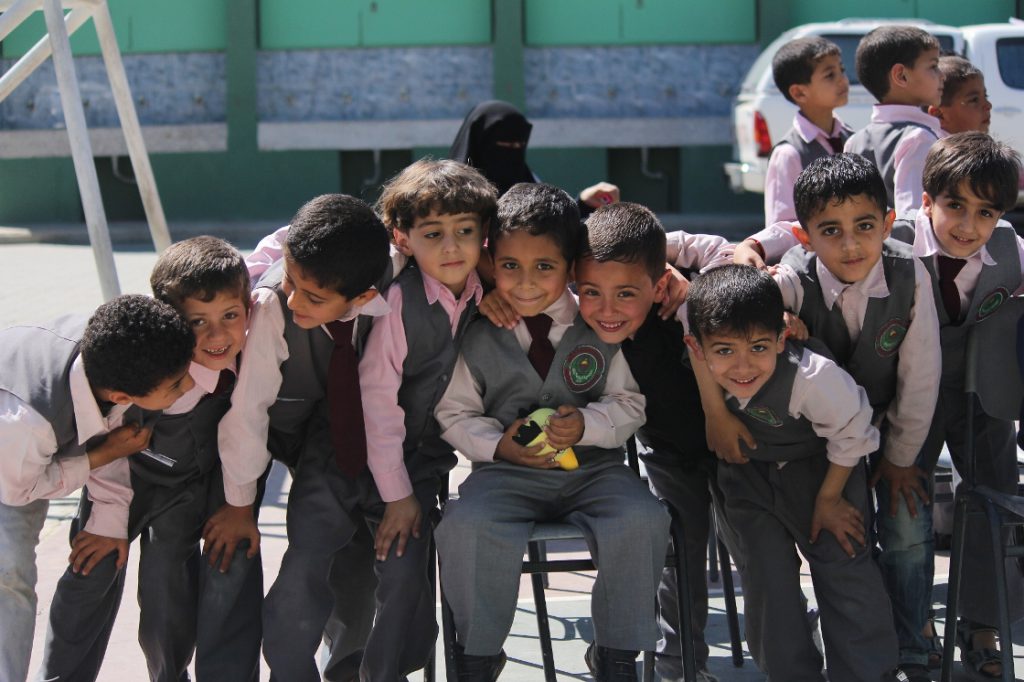
Actions in the response stage:
- Warning others;
- Reporting hazards;
- Translating disaster materials;
- Helping with evacuation;
- Physical protection;
- Search and rescue.
Third: Recovery from disasters
In the aftermath of disasters, children can take part in various initiatives aimed at strengthening their recovery and the recovery of those around them. Some studies have documented many effective coping strategies among children who survived disasters, such as writing and drawing about the events, taking photos, connecting with friends and supportive adults, and creating jokes and games about disasters.
Actions in the recovery stage
- Effective coping strategies: writing, drawing and taking photos;
- Peer counseling;
- Collecting / distributing aid;
- Planning and rebuilding efforts;
- Caring for other children;
- Helping with household chores.
References
[1] Margolin, G., & Gordis, E. B. (2000). The effects of family and community violence on children. Annual review of psychology, 51(1), 445-479.
[2] Child Protection Working Group. (2012). Minimum standards for child protection in humanitarian action. Geneva, Switzerland: Author.
[3] Peek, Lori, David M. Abramson, Robin S. Cox, Alice Fothergill, and Jennifer Tobin. “Children and disasters.” In Handbook of disaster research, pp. 243-262. Springer, Cham, 2018.
[4] Ibid.
[5] UNRWA (2016). UNRWA Child Protection Framework
[6] Ronoh, Steve, J. C. Gaillard, and Jay Marlowe. “Children with disabilities and disaster risk reduction: A review.” International Journal of Disaster Risk Science 6, no. 1 (2015): 38-48.
[7] Peek, Lori. “Children and disasters: Understanding vulnerability, developing capacities, and promoting resilience—An introduction.” Children Youth and Environments 18, no. 1 (2008): 1-29.
Read also:
- The Orphan Sponsorship Guide: Its Rulings and Steps to Begin
- Orphans Around the World: The Phenomenon and Its Causes
- Social Care and Psychological Support for Orphans
Frequently asked questions about disasters and crises
How are children’s rights protected during disasters and crises?
Through three connected stages: preparedness before the disaster by training the community and making plans, then immediate response by securing shelter and food and separating and registering unaccompanied children, then recovery by returning children to education and psychological support.
Why are children the group most at risk in crises?
Because they are less able to protect themselves, and more exposed to separation from their families, exploitation and violence. The impact of trauma on them also extends for years in their cognitive and social development, not only at the moment itself.
What is meant by an unaccompanied child?
It is a child who lost contact with their parents or caregiver during displacement or the disaster. Registering them immediately and tracing their family is a top priority in the response, because every day of delay reduces the chances of reunification and increases the risk of exploitation.
How are children themselves involved in managing disasters?
By training them in safety procedures, involving them in school evacuation plans, and giving them a role in raising awareness among their peers. This reduces the feeling of helplessness, which is itself a psychological protection factor, in addition to its practical effect at the time of the event.