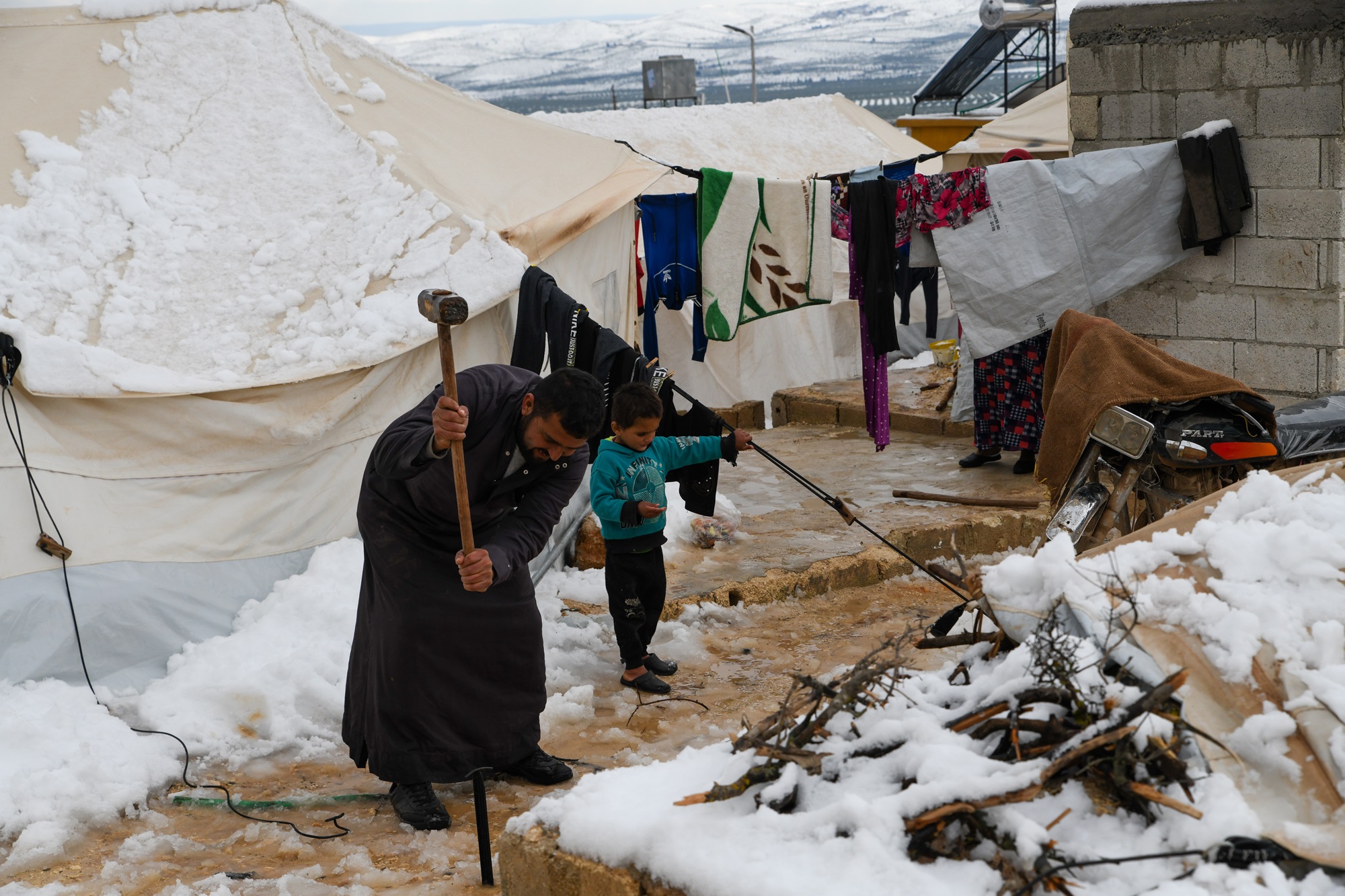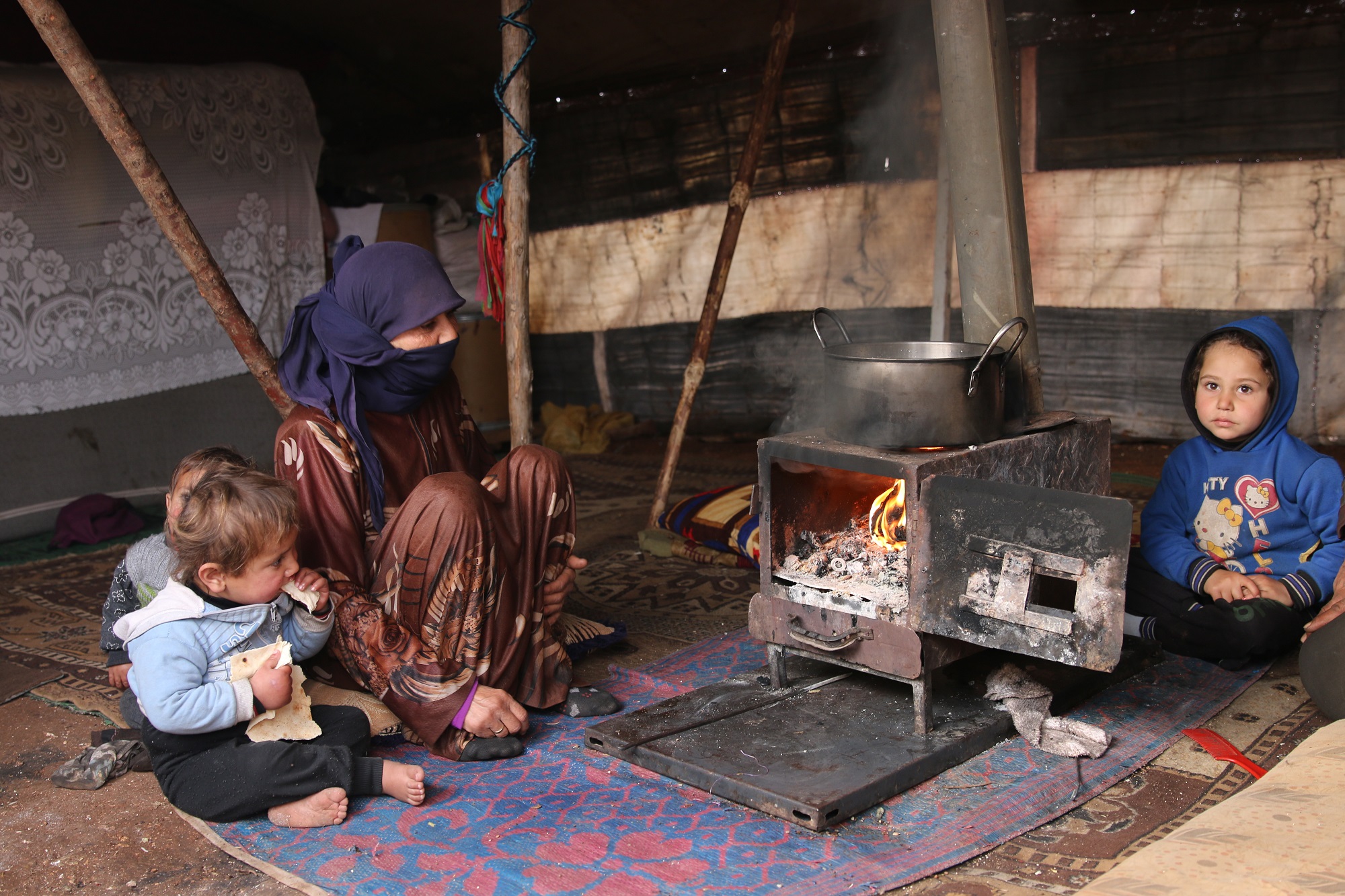

The natural rule says a child grows up between two parents and under their care. The natural family is the environment with the most effective impact on shaping and developing every aspect of the child’s growth, since through the parents the child’s basic social, psychological and emotional needs are met. But when families of orphans are struck by the death of the father they suffer great shocks, having lost a basic pillar that stood for warmth, care and guidance.
Here we speak about orphans around the world as a phenomenon and its causes. For the rulings on sponsorship and its practical steps, see the guide Orphan Sponsorship: Its Rulings and How to Begin Today.
The orphan in language and in law
Orphanhood in language means being alone. One who loses their father among people is an orphan, while one who loses their mother is not called an orphan but “cut off”, and one who loses both father and mother is a “latim”. The plural of orphan is “yatama” and “aytam”.
Islam stresses that the orphan is the one who has lost their father, because responsibility for their care, protection, sponsorship and maintenance lies with the father. So one who loses their father is an orphan, unlike one who loses only their mother, as long as they have not reached puberty; once they reach puberty orphanhood ends. The Prophet (peace be upon him) said: “There is no orphanhood after puberty” (narrated by Abu Dawud and graded authentic by al-Albani).
In sum, the orphan is one who lost their father in childhood and need, because with the father’s death they lose the one who cares for them and for their interests, given their weakness and people’s neglect of their affairs. After puberty, the description of orphanhood, which prevents the rulings on adults from applying to them, ends for both the orphan boy and girl. When the orphan becomes independent in securing their needs and interests, or the orphan girl marries, the name of orphan truly ends, because God Almighty says: “Test the orphans until they reach the age of marriage, then if you find in them sound judgment, hand over their wealth to them” [An-Nisa: 6].
How many orphans are there in the world?
Every day the world sees about 10 thousand children become orphans, because of wars, conflicts, drought, epidemics, famines and more. The latest UNICEF data (2025) indicate that the number of orphans in the world has reached about 151 million children between zero and 17. It is important to understand the definition before the figure: UNICEF counts as an orphan anyone who lost one parent or both, and the vast majority of them live with the surviving parent or a relative, so the figure does not mean 151 million children without a family. Among them, 13.5 million children lost one or both parents to AIDS, and three quarters of them, 9.8 million, live in sub-Saharan Africa. (The detailed regional breakdown that used to circulate, Asia 61 million, Africa 52 million, Latin America 10 million and Eastern Europe and Central Asia 7.3 million, goes back to 2015 estimates, and UNICEF has not issued an equivalent update.) According to some writers, if orphans had a country of their own, its population would rank ninth in the world, ahead of Russia.
The evidence clearly shows that the vast majority of orphans live with one surviving parent or another family member, and that 95 percent of all orphans are over the age of five.
In a number of Arab and Islamic countries orphans make up a considerable share because of crises they live or have lived through, such as Iraq, Syria and Afghanistan.
Some see the number of orphans in the world as larger: for example, estimates by the IHH Humanitarian Relief Foundation and Turkish freedoms put it at 165 million children. In all cases the numbers remain staggering.
Orphans because of wars and crises
Orphans in Arab and Islamic countries that have gone or are going through current crises make up important figures in these statistics, such as Iraq with 5 to 6 million orphans, Afghanistan with 2 million orphans, and Syria with 1 million orphans, according to UNICEF statistics in 2017.
Syria, in the crisis it is still living through, is one of the most dangerous places in the world for children, according to UNICEF: the number of those who lost one or both parents reached about one million children over 6 years (from 2011 to 2017). The number of orphans inside Syria or in neighboring countries of refuge was about 800 thousand by August 2016, according to UNICEF, then rose by about 200 thousand by April 2017, reaching one million orphans.
Syria’s population before the crisis was estimated at about 24 million, a third of them children, which means orphans make up more than 12.5 percent of Syria’s children.
The effects of natural disasters
To know how many orphans natural disasters leave behind through the loss of fathers and mothers, one can trace it through the large number of victims. According to the United Nations, the number of victims of natural disasters over the past forty years reached 3.3 million cases, most of them in the most vulnerable countries, and between 2000 and 2010 more than 680 thousand people died in earthquakes alone (a report by the Qatar News Agency, 2017).
Read also …

Orphans because of AIDS
AIDS (acquired immunodeficiency syndrome) has caused 17.9 million orphans around the world, most of them in sub-Saharan Africa and Southeast Asia, according to statistics of the sos-usa.org website (SOS Children’s Villages).
Sub-Saharan Africa alone is home to about 12 million orphans because of AIDS (according to UN organization statistics in 2015).
According to a report prepared by UNICEF, the US Agency for International Development and the Joint United Nations Programme, the number of children who lost one or both parents to AIDS jumped from 11.5 million children in 2001 to 15 million children in 2003.
According to US Agency for International Development statistics for 2013, the number of orphans in sub-Saharan Africa was about 60 million, of whom 15.2 million were orphans because of AIDS.
This humanitarian phenomenon is worsening in this region of the African continent, where, by some estimates, most orphans live with extended families, usually grandparents, while the eldest child bears the burden of caring for siblings or for parents with AIDS.
A study completed in 2017 titled “A Reading of the Phenomenon of Orphanhood in Africa” by Dr. Fatima Omar al-Aqib of Al-Azhari University in Khartoum reported 4.9 million orphans because of AIDS in Ethiopia, and 1.4 million in South Africa orphaned by AIDS resulting from the infection of one or both parents.
According to UNICEF estimates, the number of the world’s orphans living in orphanages is 2.2 million, and it has been noted that 50 to 90 percent of them have one parent alive, but their entry into orphanages is due to deprivation and not the absence of a provider (a paper titled Arab Orphans and Orphanhood Indicators, 2015, Sabr Center for Statistical Studies and Public Policy and the Qudra Association).
The psychological impact of orphanhood
There are important reasons to care about the social and psychological care of orphans, given the challenges they face through life. That may be what calls us to focus more on doing our humanitarian duty toward this vulnerable group that needs care, sponsorship and attention, so that its members do not fall prey to neglect or being lost.
Children who have one or both parents infected with HIV, for example, suffer psychological pressure with stigma even before they become orphans. They are also often more exposed to physical abuse, exploitation and discrimination, and face great and varied risks such as malnutrition and impaired normal growth, and young ones among them, whether in good health or not, are often forced to play the role of adults long before they reach the age at which they would have to.
From the book “Rafaqa … the Largest Family in the World” – Ghiras series no. (11) – Qatar Charity (adapted).
Read also:
- The Orphan Sponsorship Guide: Its Rulings and Steps to Begin
- Trusted Ways to Sponsor an Orphan
- Social Care and Psychological Support for Orphans
Frequently asked questions about orphans around the world
How many orphans are there in the world?
About 151 million children between zero and 17 in 2025, according to the UNICEF database. Among them, 13.5 million lost one or both parents to AIDS, and three quarters of them are in sub-Saharan Africa.
Who is the orphan in UNICEF’s definition?
UNICEF defines an orphan as one who lost one or both parents before the age of eighteen. So the figure includes one who lost one parent, and most of these children live with the surviving parent or with a grandparent or relative. The figure therefore does not mean children without a family.
What are the main causes of orphanhood around the world?
Wars and armed conflicts, natural disasters, and epidemics, above all AIDS, as well as accidents and illnesses. Causes vary between regions, and sub-Saharan Africa bears the largest share of AIDS-related orphanhood.
How many children live in institutional care?
At least 2.7 million children around the world, according to a UNICEF estimate issued in 2017 based on data from 140 countries. The organization notes that the real figure is higher, because official records in many countries count only part of reality.