
Education is a basic tool for eradicating financial hardship in the world and promoting justice and social well-being. The latest UNESCO (2024) data indicate that about 273 million children and adolescents are out of school around the world, 79 million of them of primary school age, 64 million at the lower secondary stage and 130 million at the upper secondary stage, so these cannot join secondary school. Add to that what armed conflicts and natural disasters have caused in disrupting the educational process and depriving more than 75 million children of education. Let us learn the effect of financial hardship on children’s education opportunities and how Qatar Charity helps increase children’s education opportunities in deprived areas.
Supporting education begins at the individual level with sponsoring one student, detailed in the guide Sponsoring a Student of Knowledge: Your Complete Guide.
How does financial hardship limit children’s enrollment in school seats?
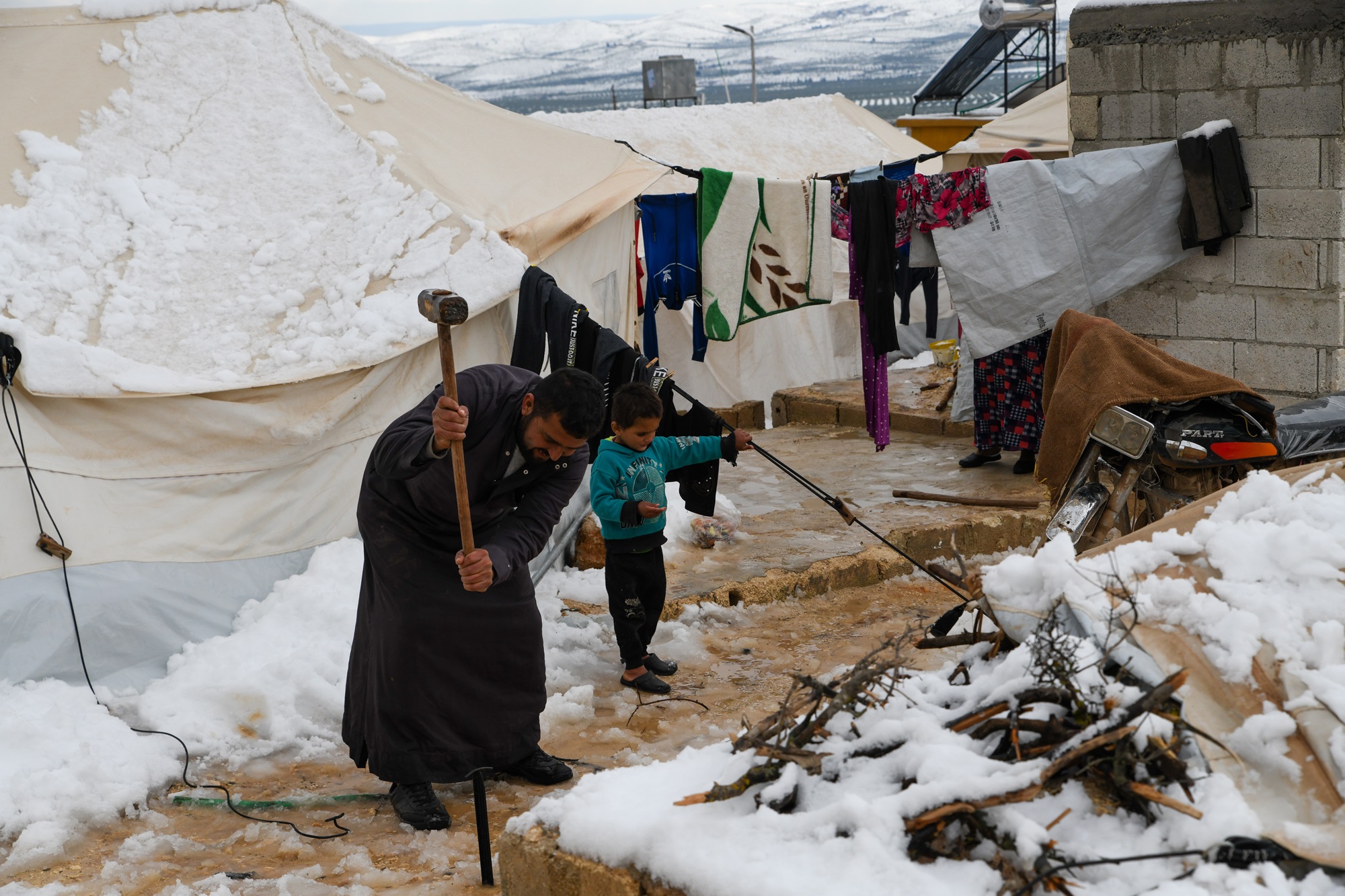
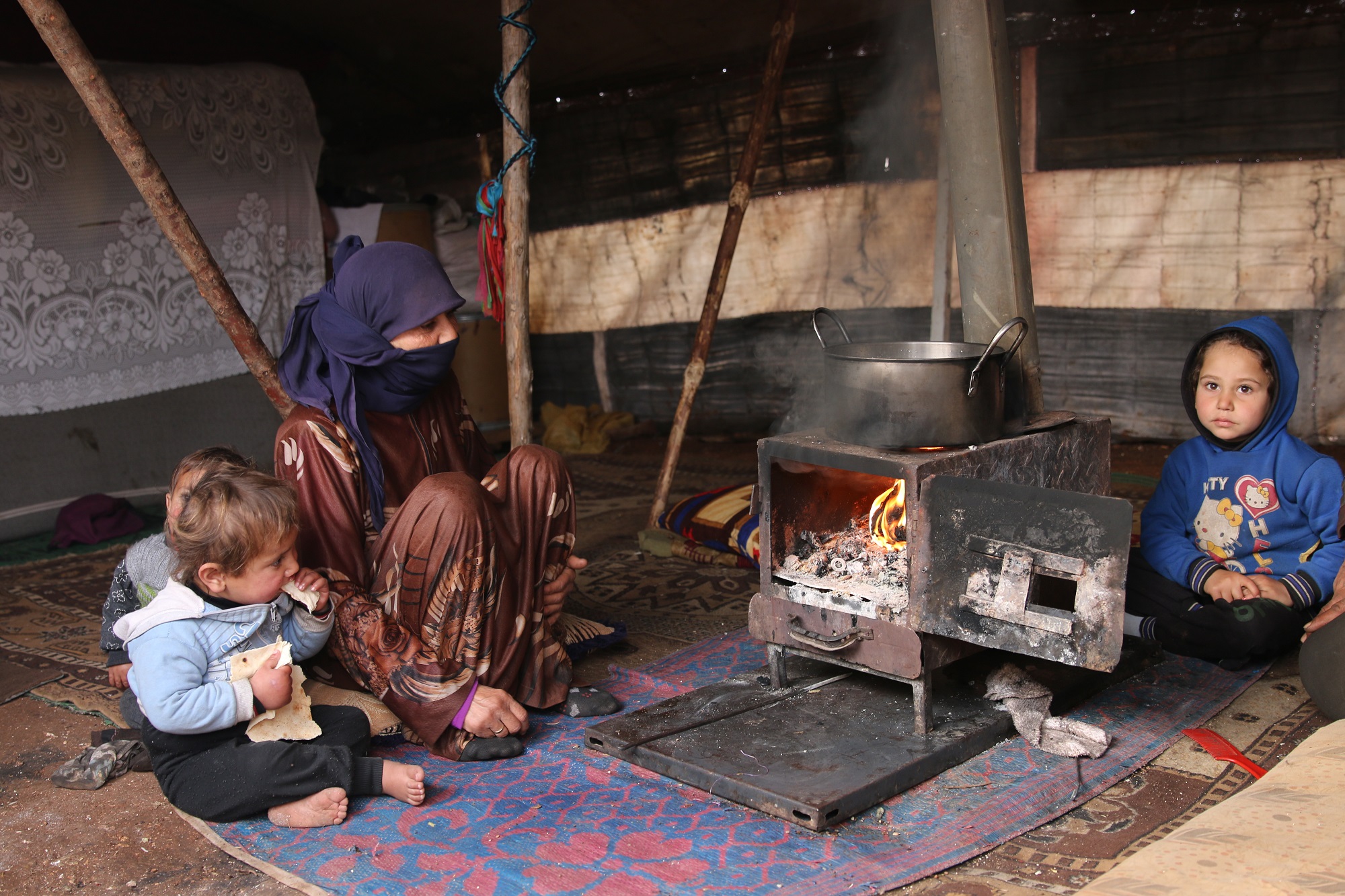
Financial hardship plays a basic role in the lack of educational opportunities for children. Its effect on education begins early in a child’s life, so children from the lowest-income families in any country have fewer chances of joining education programs at an early stage.
Child labor (ages 5 to 17) is a major problem. 168 million children work in marginal jobs, which are the main cause of children being denied a return to education. Providing serious and equal education opportunities can help any country increase GDP per capita by 23 percent.
That is why the demand to provide equal opportunities for quality education for all has become a doubled effort for all bodies at every level, especially for the less fortunate groups in sub-Saharan Africa and South Asia, where the less fortunate groups include people with disabilities, indigenous peoples, refugee and displaced children, and the most deprived children in rural areas.
In its seventieth session in September 2015 the United Nations adopted a new global development agenda titled “Transforming Our World”, the 2030 Sustainable Development Plan. At its core the plan includes 17 Sustainable Development Goals, including (the fourth goal) on education, which states “ensure inclusive and equitable quality education and promote lifelong learning opportunities for all”.
Among the most important priorities of Sustainable Development Goal 4 are:
- Commitment to providing fully free primary and secondary education.
- Access to early childhood education.
- Providing technical and vocational education and higher education.
- Adult literacy.
- A comprehensive commitment to equal opportunities for both sexes in access to quality education.

Qatar Charity and its role in supporting education for development within deprived communities
Education in the development and humanitarian contexts is one of Qatar Charity’s strategic fields of work, given the importance of education as the basic pillar of development and the main factor helping achieve all the 2030 Sustainable Development Goals.
Qatar Charity’s education projects aim to contribute to achieving the goals set by the United Nations for sustainable development.
Qatar Charity takes care to cooperate in this with its various partners such as ministries of education in the countries where it works. Recent years have seen notable development in the quantity and quality of education projects, which Qatar Charity has carried out in more than 30 countries. More than QAR 68,645,377.36 was spent on 658 projects launched by Qatar Charity in partnership with specialized United Nations agencies such as UNICEF and the UN Refugee Agency. In addition there is the Qatar Fund for Development, which gives special importance to education in its vision and strategy.
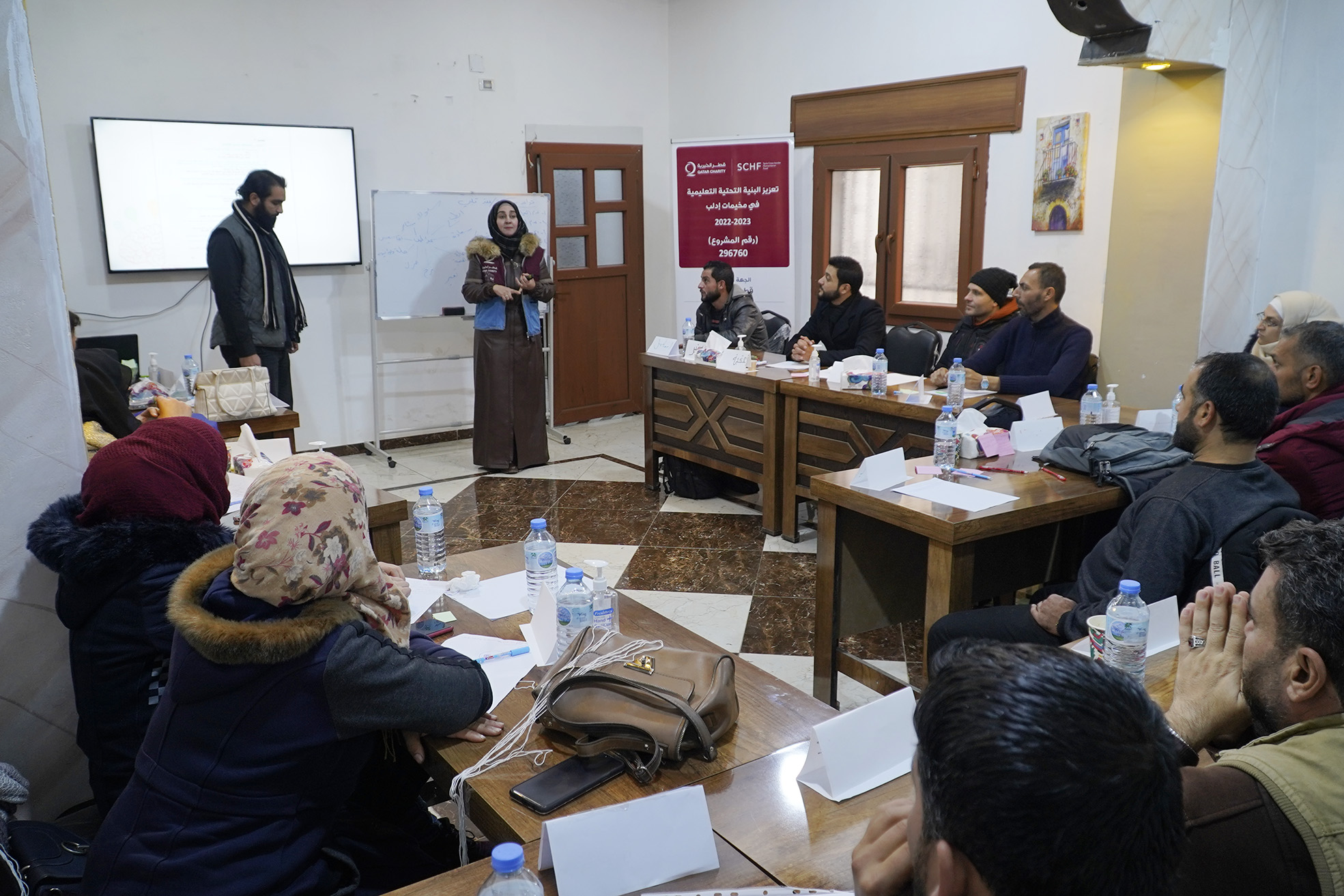
Qatar Charity works in education in more than 30 countries across Africa, Asia and Europe. It works with the governments of those countries and other stakeholders to achieve the Sustainable Development Goals, especially Goal 4, by establishing educational institutions at their various levels, furnishing schools and equipping them with basic teaching aids, providing schools with water and sanitation services, training teachers, and providing the school bag and the textbook for deprived children.
Read also:
Frequently asked questions about supporting education
How many children are out of school in the world?
About 273 million children and adolescents in 2024 according to UNESCO, 79 million of them of primary age, 64 million lower secondary and 130 million upper secondary. About three quarters of the number are concentrated in Central and South Asia and sub-Saharan Africa.
Has the situation improved since the Sustainable Development Goals were adopted?
Barely. The number has fallen by less than one percent since 2015 according to UNESCO, and has even risen 29 percent in low-income countries over the same period. The gap has not been closed; its weight has moved to the countries least able to bear it.
How does financial hardship cut a child’s road to school?
In three connected ways: a direct cost the home cannot bear, of fees, uniform and transport; an alternative cost when the child is pushed to work; and a weak educational environment that makes staying return nothing. Addressing one of them without the other two is not enough.
How does Qatar Charity support education?
By building and rehabilitating schools, sponsoring students at different stages of education, providing school supplies, and supporting teachers. A donation set aside for education is spent in this field and nowhere else.