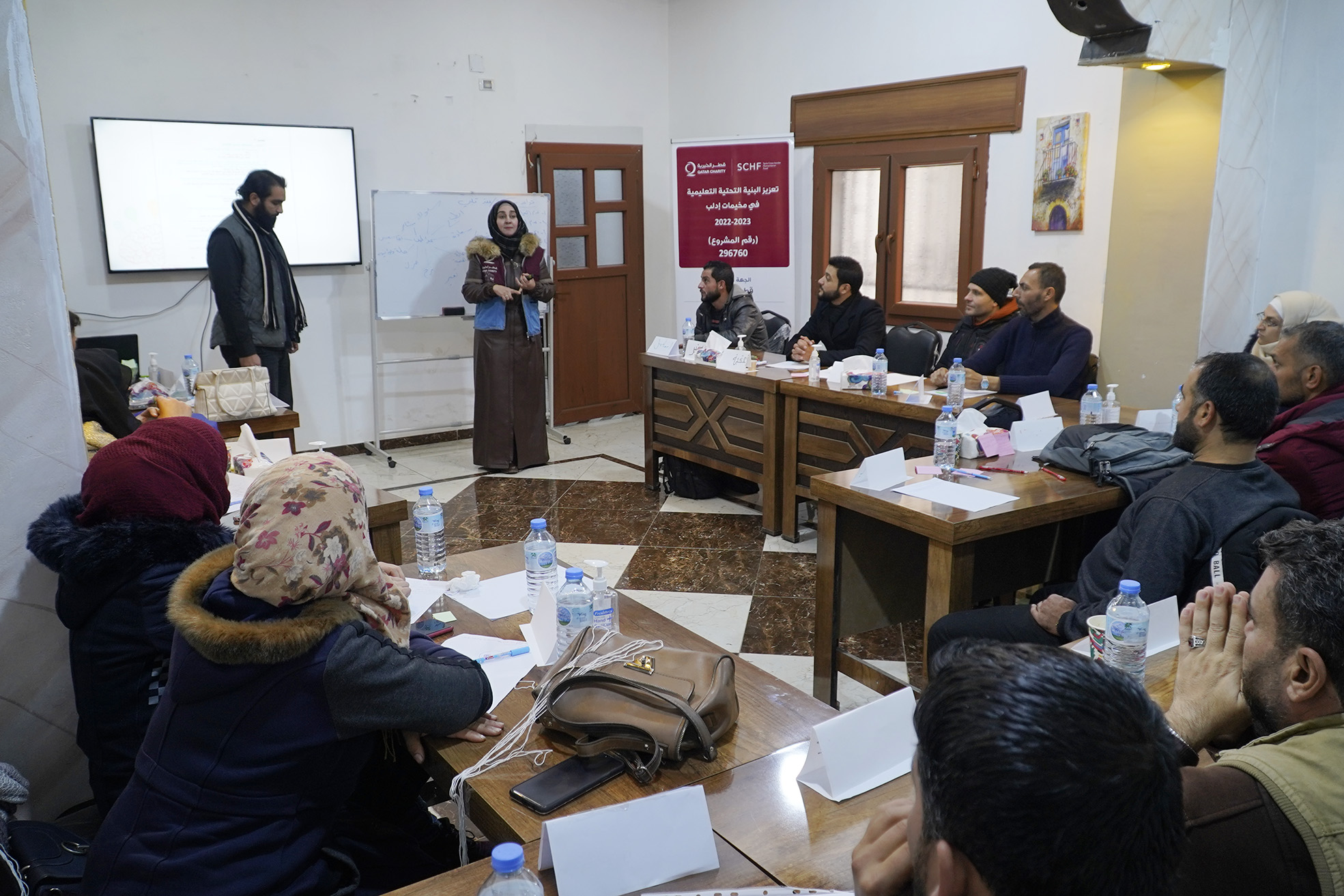

The role of the teacher is not measured by the number of lessons they give, but by what stays in the student after they forget them. It is the practical difference between a child sitting in a class and a child actually learning. And the world today faces a stark gap: it needs 44 million more teachers in primary and secondary education by 2030 to achieve the fourth Sustainable Development Goal (UNESCO, Global Report on Teachers 2024).
Teaching is among the noblest professions in every age. People entrust the teacher with their children so they become successful and righteous, and societies entrust them with graduating generations able to continue the journey of progress and advancement. The teacher also holds a distinguished standing among peoples who hope to have a leading role and a distinguished place among the world’s peoples. That is why teachers have a World Day, so that they may have their leading standing in helping societies overcome the challenges they go through, achieve development and build the desired future.
Why must we give all our attention to the teacher and to education?
The main role of the teaching profession goes beyond developing the pupil’s basic skills such as writing and reading, important as they are, to supervising the development of young people’s mental and logical skills, helping them develop critical thinking, ask the right questions, and work together to address the challenges they face so as to take sound, well-considered decisions.
This is what societies that have stumbled on the path of development and progress need, as much as they need to meet their members’ necessities such as food and clothing. They need generations that have the tools and skills to help them overcome their great challenges.
And World Teachers’ Day came to call for advancing the teaching profession in pursuit of the Sustainable Development Goal on education, which states “ensure inclusive and equitable quality education and promote lifelong learning opportunities for all”. How can that be achieved unless we give the teacher their full right to the necessary care and training?
How many teachers is the world short of?
The figure that sums up the matter is 44 million more teachers needed by 2030. Sub-Saharan Africa alone accounts for 15 million teachers of that, about a third of the global gap (UNESCO, 2024). The cost of covering these posts is estimated at about USD 120 billion a year.
But the more important figure is not the hiring figure but the rate of leaving the profession: the global rate of primary teachers leaving the profession doubled from 4.62 percent in 2015 to 9.06 percent in 2022 (UNESCO, 2024). That is, the problem is not only attracting teachers but keeping them. This explains why recruitment campaigns alone are not enough.
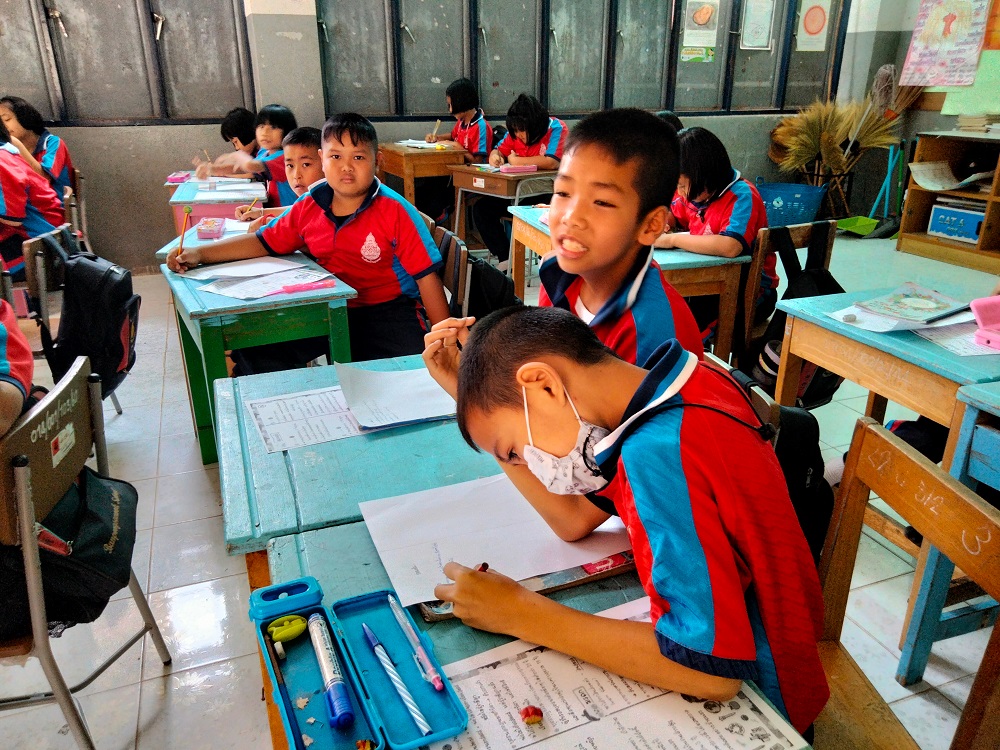
Its effect on the quality of education is direct: a class without a qualified teacher is a seat without learning, which explains why millions of children remain inside schools without gaining basic reading skills.
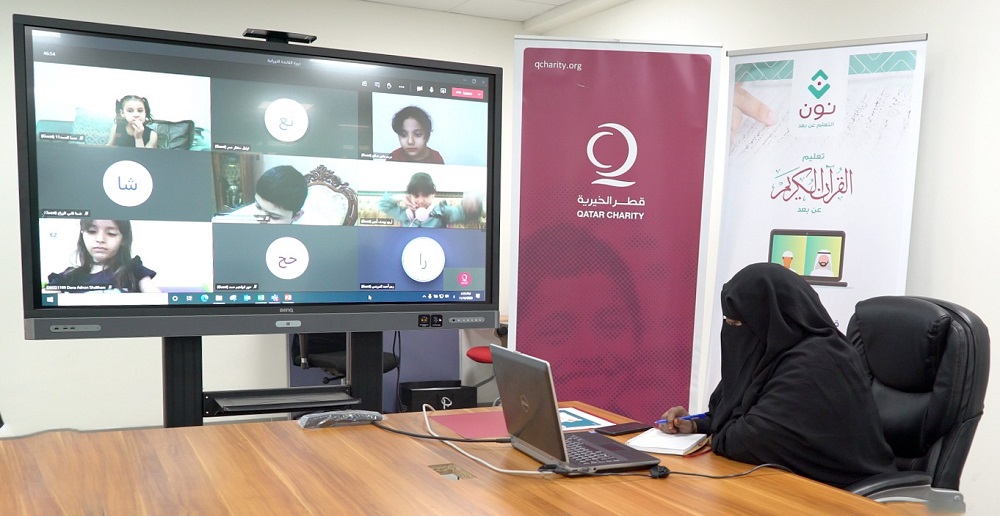
Challenges teachers face in affected areas and in times of crisis
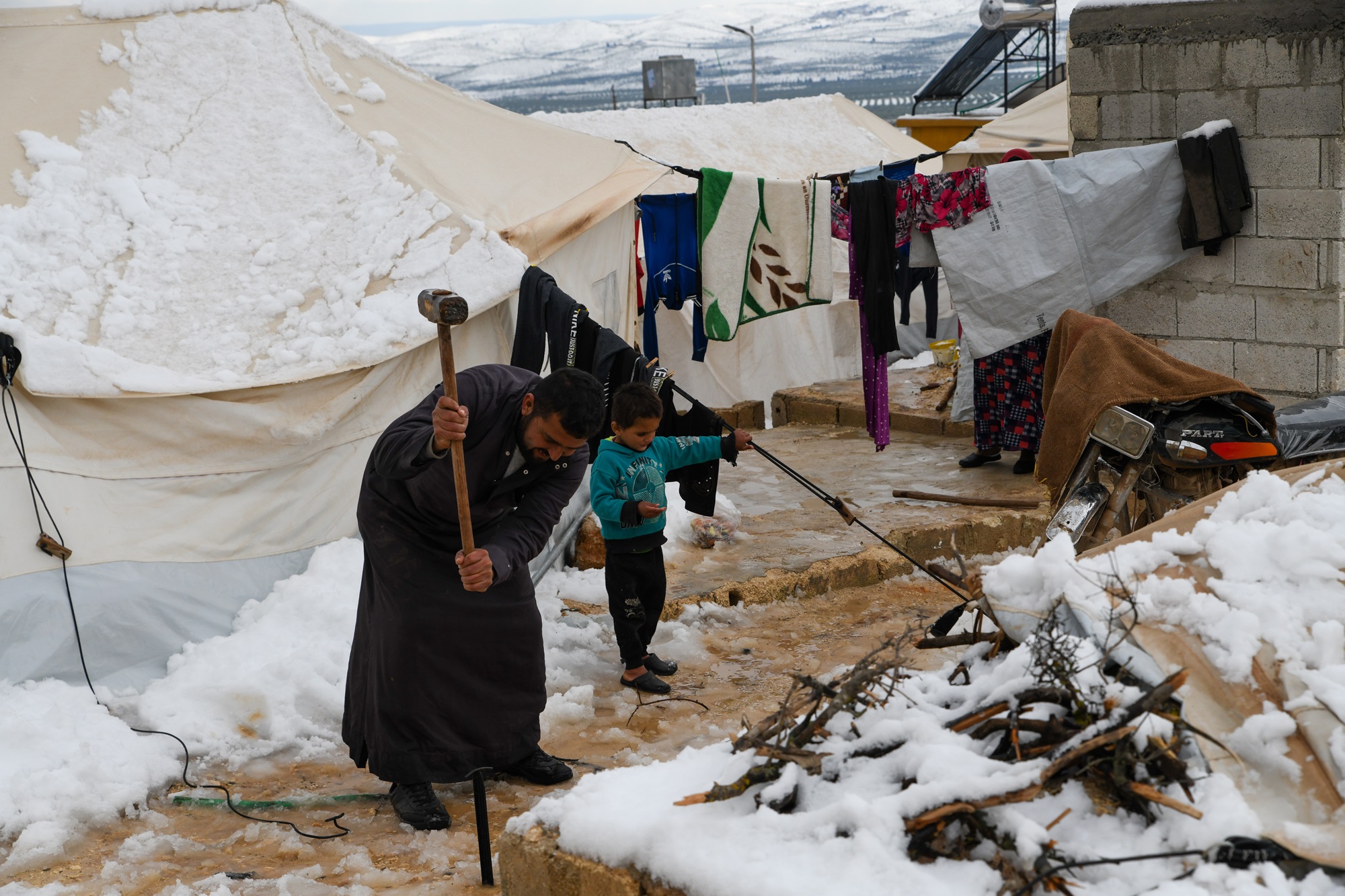
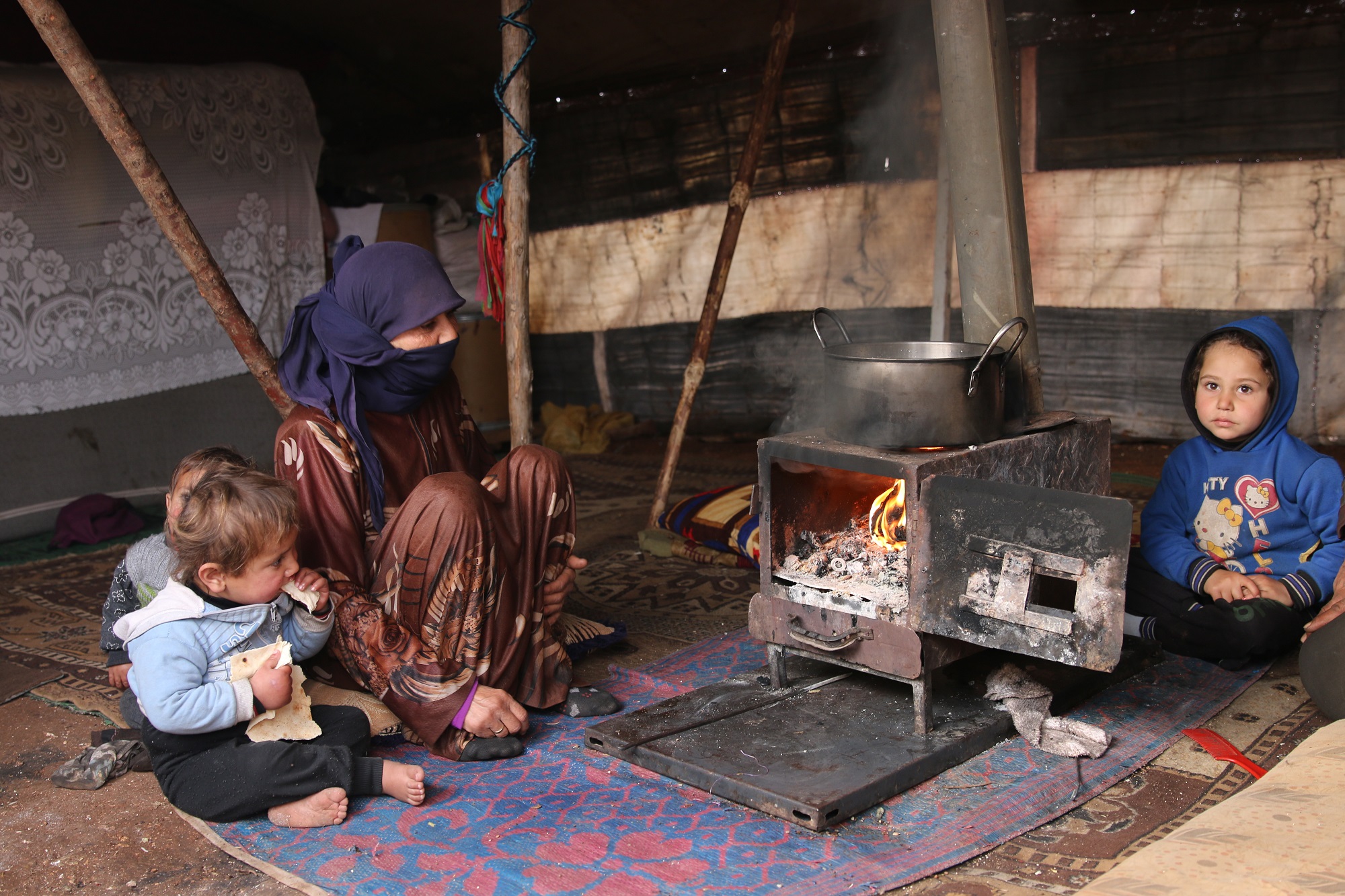
Despite what teachers endure, their role is essential to ensuring millions of children keep receiving their education in low-income areas or those that see instability because of conflicts or natural disasters.
In Yemen they face great professional challenges for this. Despite the delay in teachers’ salaries reaching them, they do their utmost not to deprive millions of Yemeni children of their right to education, which might leave them exposed to all forms of exploitation and abuse.
Millions of educators and teachers around the world have been engaged in keeping lessons going for their pupils when schools close, whether because of epidemics or conflicts, through distance learning and the extra effort it demands that appears on no timetable.
The wider context remains that 273 million children and adolescents are out of school according to 2024 data (UNESCO). Getting these children into a classroom begins with a teacher standing in front of them, not with a building alone.
What does the teacher need to play their role?
Four things keep a teacher in their profession, ordered by effect as follows:
- A regular salary. Late salaries are the fastest route for a teacher out of the classroom, as in the Yemeni case above.
- Continuous qualification and training. An untrained teacher stays in the classroom but does not produce learning.
- A safe working environment, especially in conflict areas where schools become targets.
- Professional recognition, which is what World Teachers’ Day on 5 October exists for.
Frequently asked questions about the role of the teacher
What is the teacher’s role in building society?
It goes beyond passing on information to forming critical thinking, the ability to ask the right question, and working together. These skills are what enable a whole generation to address its society’s challenges instead of inheriting them.
How many teachers does the world need by 2030?
44 million additional teachers in primary and secondary education, 15 million of them in sub-Saharan Africa alone, at a cost of about USD 120 billion a year to cover these posts’ salaries (UNESCO, Global Report on Teachers 2024).
Why do teachers leave their profession?
Because of low and late pay, a lack of training, a heavy load in the classroom, and a lack of safety in crisis areas. The rate of leaving the profession in primary education globally doubled from 4.62 percent in 2015 to 9.06 percent in 2022.
When is World Teachers’ Day celebrated?
On 5 October every year, a day set by UNESCO to call for advancing the teaching profession as a condition for achieving the fourth Sustainable Development Goal.
How can teachers in disadvantaged communities be supported?
By funding training, equipping classrooms, and supporting the continuity of operating schools, in addition to sponsoring a student of knowledge, which keeps the pupil in front of their teacher year after year.
What makes the difference is not the school building but the one who stands in it. Contribute to supporting education through Qatar Charity.