An unbearable humanitarian situation in camps is what millions of displaced people and refugees live through, from Gaza and Sudan to Syria, Yemen and Afghanistan. The number of forcibly displaced people reached 117.8 million at the end of 2025, or one in every 70 people in the world. That is what the report of the UN Refugee Agency (UNHCR) said, as reported by Al Jazeera on 11 June 2026. With winter, cold and rain make this situation even harsher.
Why is it an unbearable humanitarian situation in camps?
The countries differ, but the camps are alike. A tent or temporary hut does not protect from rain and cold, clean water and sanitation are limited, and health care is far away or overcrowded. Winter makes all of this harder, because families then need heating, covers and clothes on top of their daily need for food.
Returning home does not always end the hardship. In 2025, 14.7 million refugees and internally displaced people returned to their countries or areas, according to UN News on 10 June 2026. Many of them return without a stable roof, as in Afghanistan.
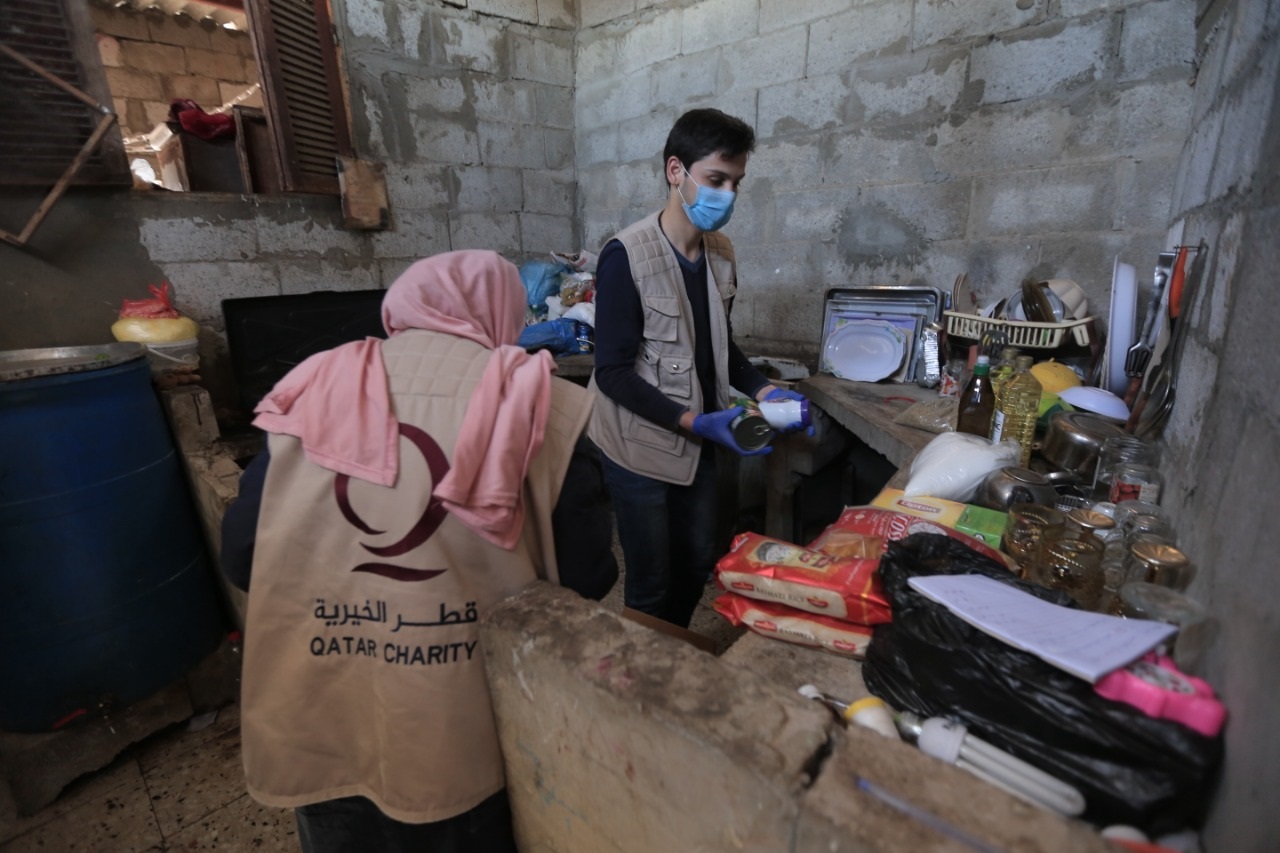
Gaza: hundreds of thousands in flood-prone sites
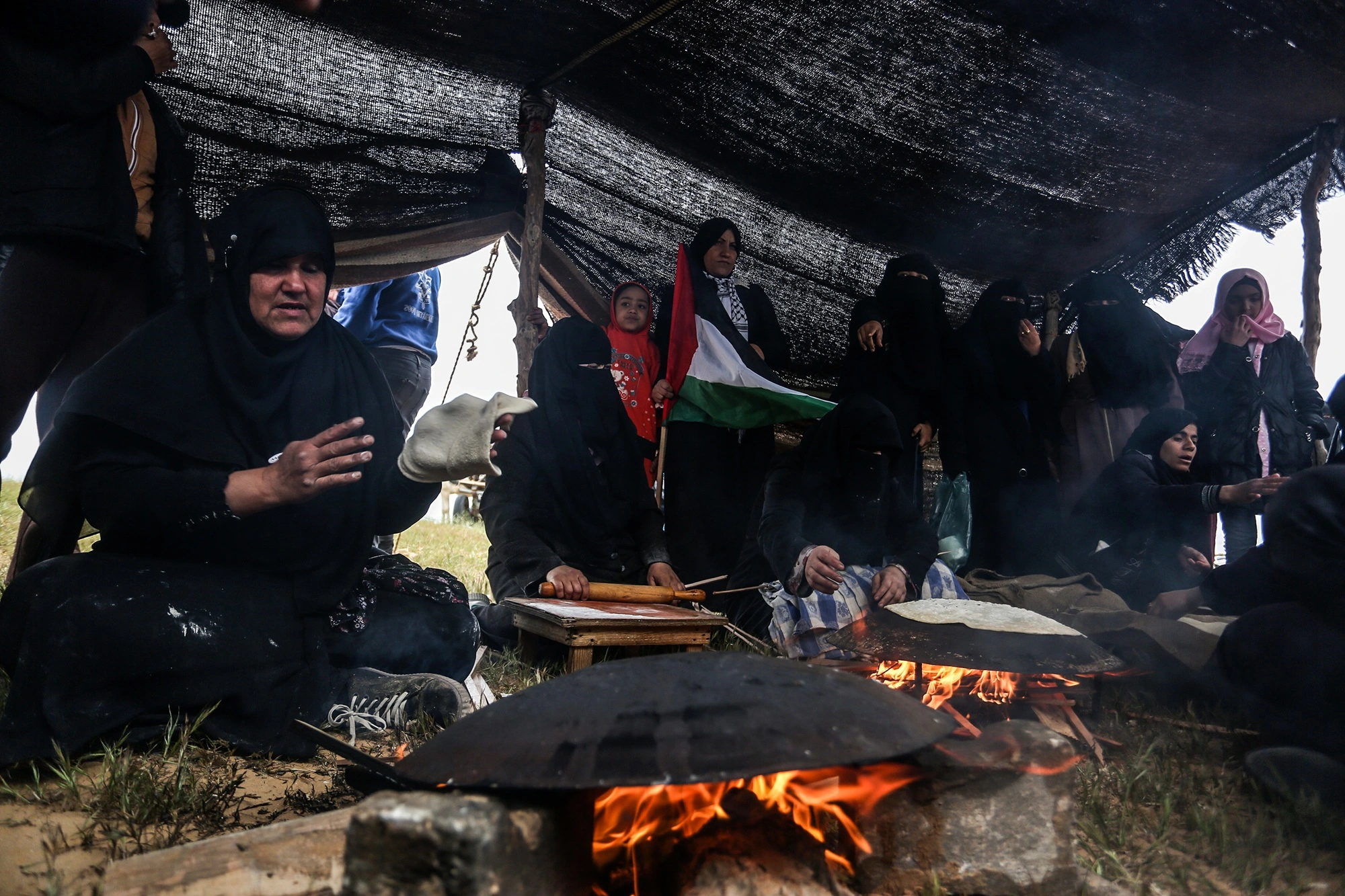
UN News reported on 15 January 2026 that about 800 thousand people, nearly 40 percent of Gaza’s population, live in flood-prone sites. The same source said that winds uprooted or damaged hundreds of tents and temporary shelters, leaving more than 3,000 people exposed to harsh weather.
Sudan: millions out of their homes
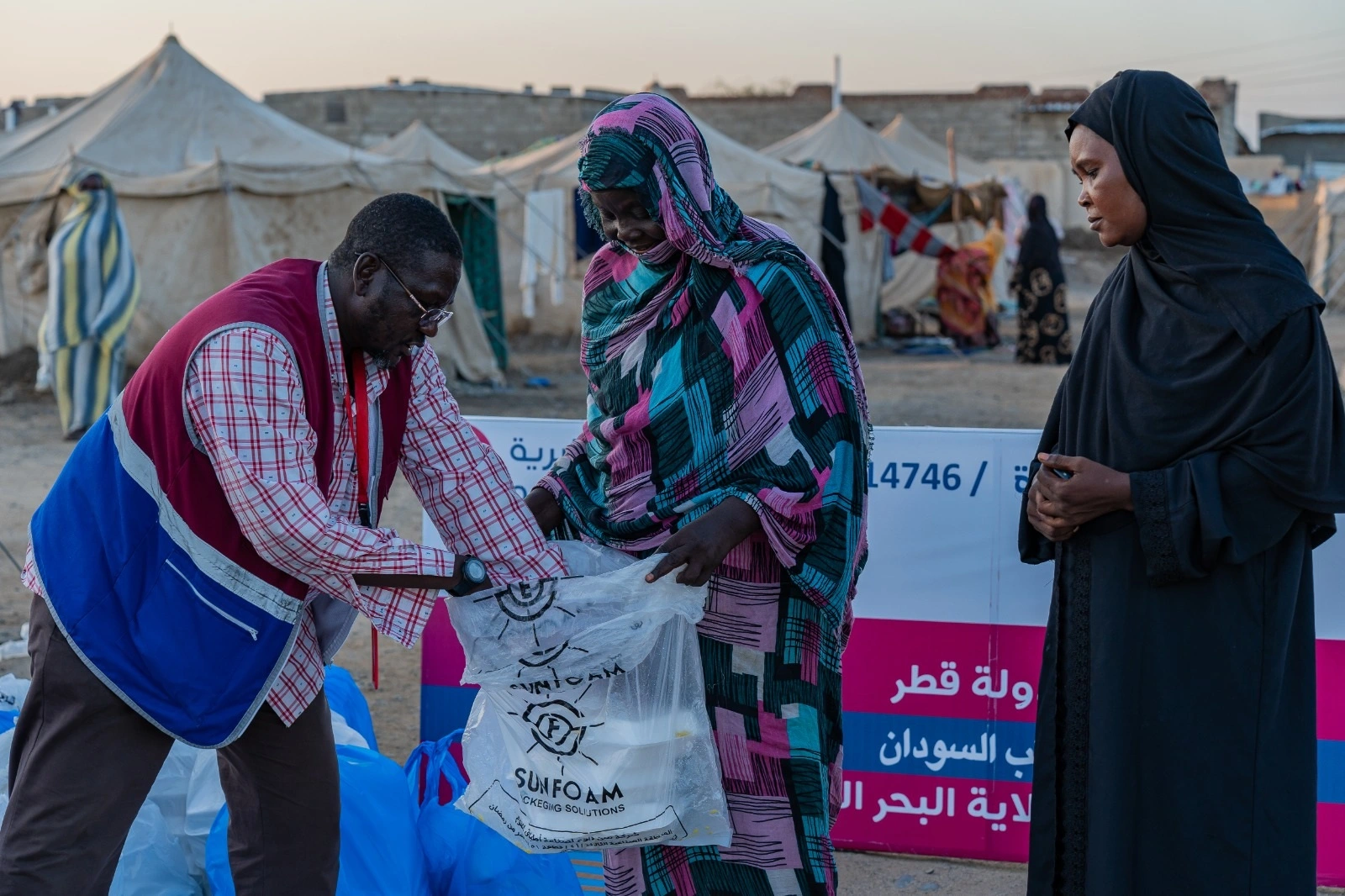
According to the International Organization for Migration, the number of people displaced inside Sudan reached 8.6 million, as reported by UN News on 8 October 2026. The Darfur region hosts 65 percent of them. In Tawila, North Darfur, more than 700 thousand displaced people face acute shortages of health care, food, water and protection, according to the World Health Organization.
Many of them live in temporary huts made of sticks, straw and plastic sheeting, as UN News described them on 16 February 2026. The same source said that about 34 million people in Sudan require humanitarian assistance.
Syria: a storm hits 90 displacement sites
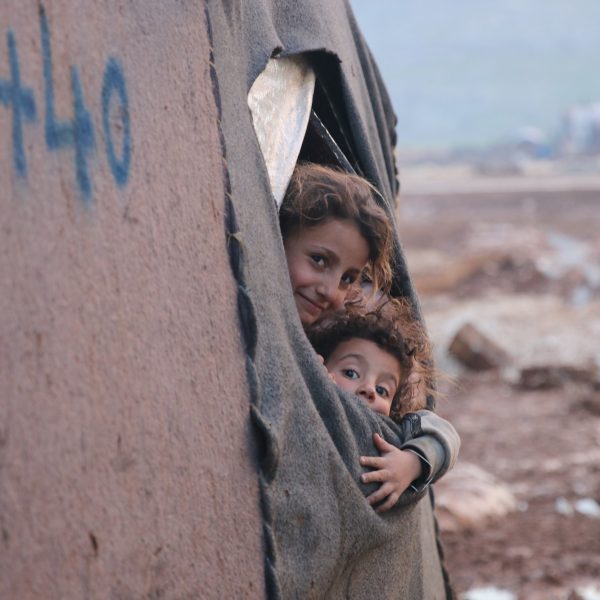
On 31 December 2025 a storm hit northern Syria, covering 90 displacement sites in Aleppo, Idlib and Hasakah, and affecting more than 150 thousand people. About 5,000 shelters were damaged wholly or partly, according to UN News on 6 January 2026. The needs of these camps are set out in the article Syrian camps in winter.
Yemen: new displacement on top of old
On 4 February 2025 the International Organization for Migration said that nearly two million displaced Yemenis live in more than 2,000 displacement sites, and that most of them are in temporary shelters that cannot withstand cold and floods. In its response that winter, the organization distributed 1,000 relief item kits and provided cash to 1,130 families to buy blankets, clothes and heating equipment.
Then displacement returned. On 5 October 2026 UN News reported that more than 184 thousand people had been displaced since early August 2026, and that some families at sites in Marib were sleeping in the open.
Afghanistan: return without a stable roof
More than 2.43 million Afghan migrants have returned from Iran and Pakistan since September 2023, according to UN News on 3 July 2025. Only 10 percent of households headed by women live in permanent shelter, and nearly four in ten of them fear eviction from their homes.
What is Qatar Charity’s role in the camps?
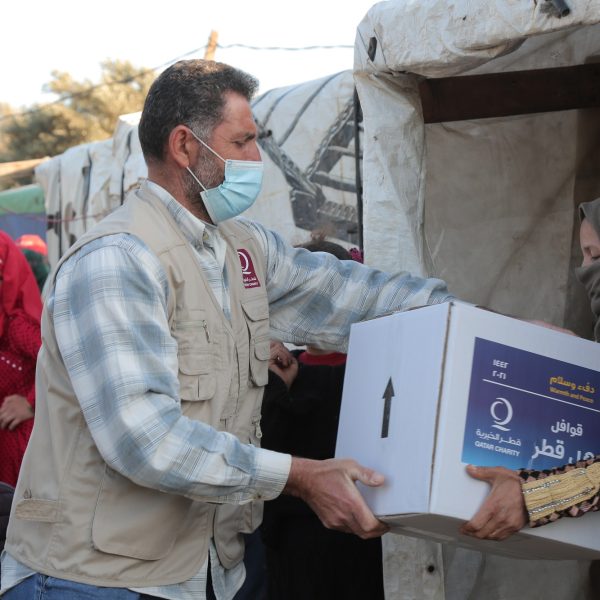
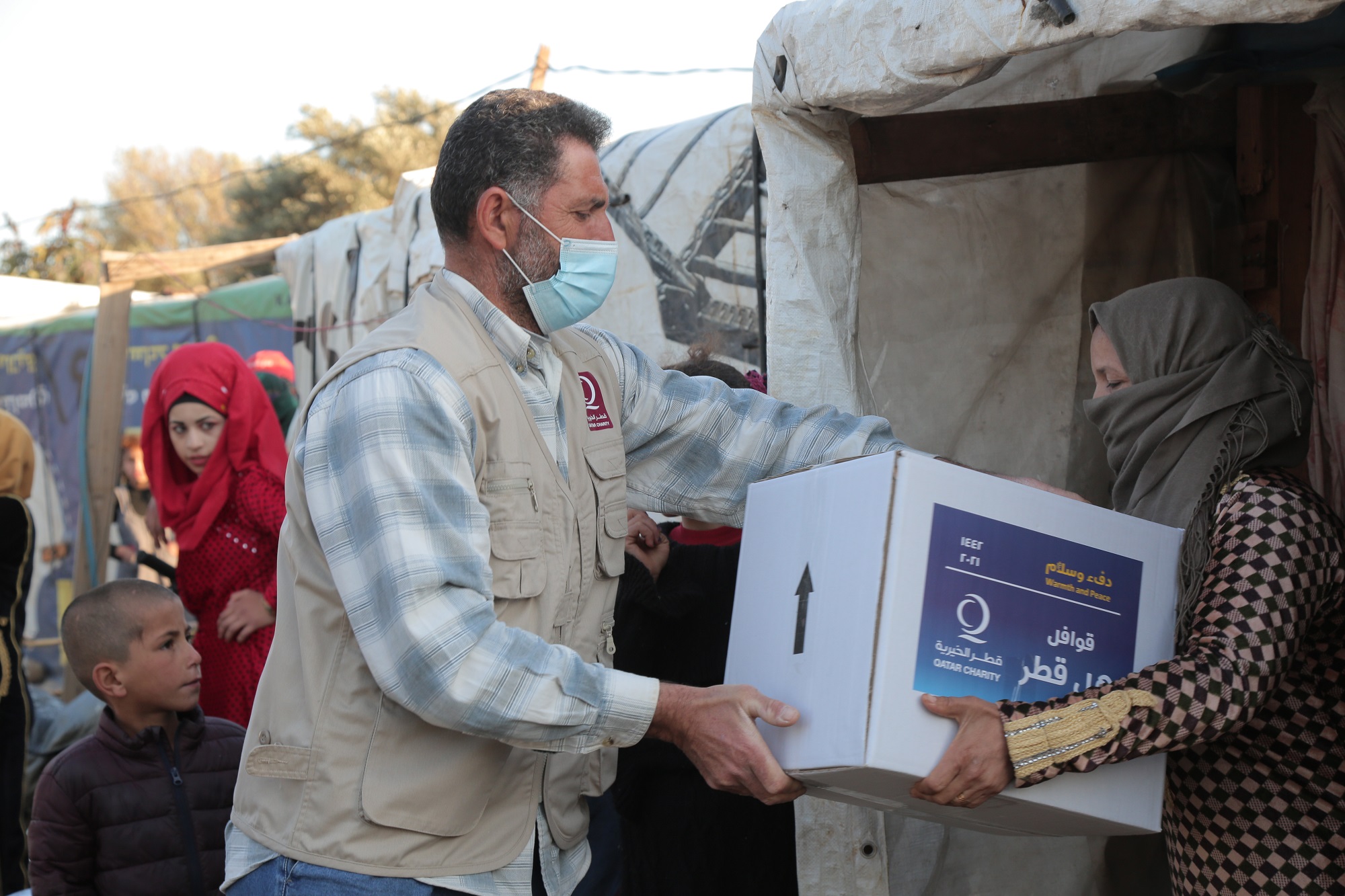
In the 2023-2024 season, Qatar Charity’s winter campaign distributed its aid in 14 countries, according to Qatar Charity in December 2024. Its main figures include:
- Palestine: about QAR 68 million for more than 884 thousand people.
- Northern Syria and Syrian refugees in Turkey: more than QAR 48 million for about 4.5 million people.
- Yemen: more than QAR 12 million for more than 107 thousand people.
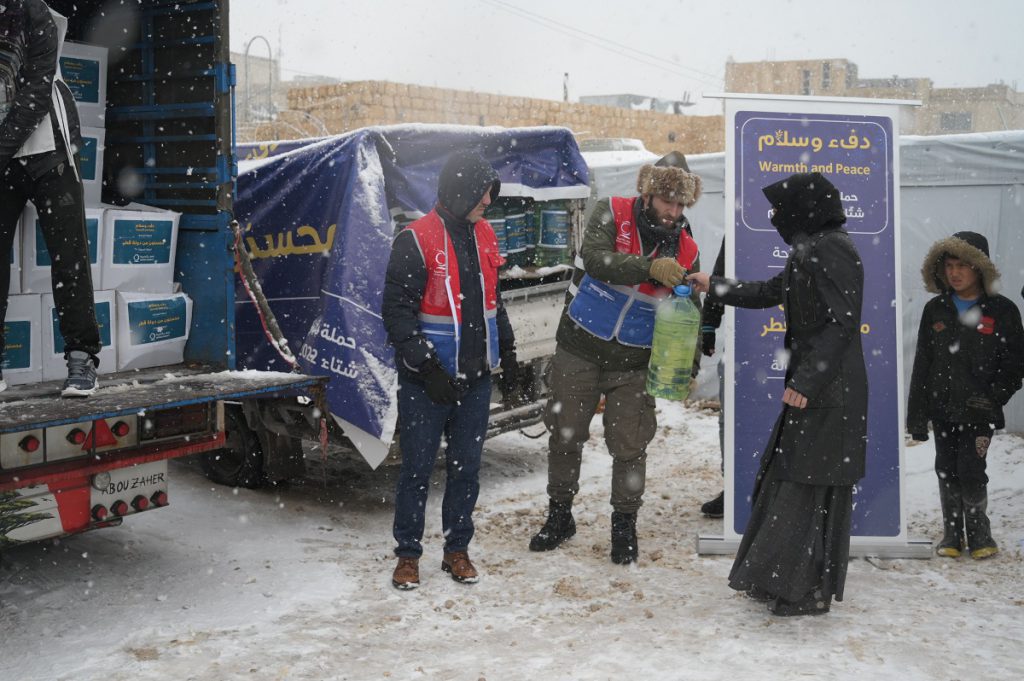
The aid included tents, blankets, heaters, heating fuel, food baskets and winter clothing bags, as well as health services and water tanks.
How can you help camp residents this winter?
To ease an unbearable humanitarian situation in camps, read about the basic needs of displaced people in winter, and about family suffering in winter. You will find the full picture in Winter relief: questions and answers.
Then take part through the donation page, so that tents, covers and heating reach those waiting for them.
Frequently asked questions about conditions in refugee and displacement camps
How many forcibly displaced people are there in the world?
The number reached 117.8 million people at the end of 2025, or one in every 70 people in the world, according to the report of the UN Refugee Agency (UNHCR) issued in June 2026.
What is the greatest danger camp residents face in winter?
Fragile shelter in the face of rain, floods and cold. In Gaza, about 800 thousand people live in flood-prone sites, according to the United Nations in January 2026.
What do camps need before winter?
Tents and plastic sheeting that withstand the rain, blankets and winter clothes, heaters and fuel, and rainwater drainage that prevents flooding, as well as food, clean water and health care.
How can I help residents of refugee and displacement camps?
Donate through a known relief organization in the winter campaign to provide tents, covers, heating, food and health care, and review the options of the current campaign before completing your donation.