The mental health of displaced people in winter wears down before their bodies do. The cold lasts, the tent does not protect, and night comes early for a family that has lost its home and what it owned. The World Health Organization says one in five people who have lived through war or conflict has a mental health condition. The support that eases this burden starts with the simplest things: safety, warmth and food, then being close to other people.
In brief
- 22% of people who experienced war or conflict in the previous 10 years have a mental health condition, according to the World Health Organization.
- Winter adds pressure: cold, darkness, cramped space and worry for children.
- Support starts with basic needs, then psychological first aid and community support.
- The Winter Heroes campaign aims to reach 59,665 beneficiaries with heating and energy, out of 532,115 beneficiaries in 8 countries.
Why does winter weigh on the mental health of displaced people?
Because displaced people carry what they lived through before they reached the camp. According to the World Health Organization, 22% of people who have experienced war or conflict in the previous 10 years have depression, anxiety, post-traumatic stress disorder or another mental health condition. Of these, 13% have mild forms and 9% have moderate or severe forms.
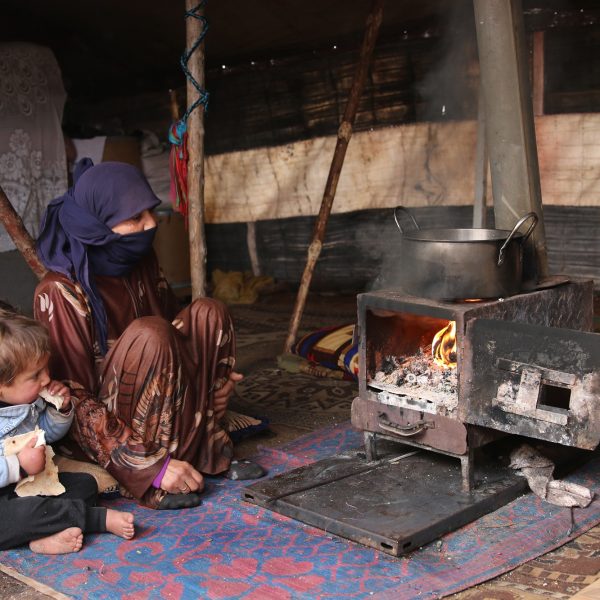
Then winter adds a daily worry: how will the family stay warm tonight? Will the tent hold in the rain? People spend longer inside a small space and move less, and the worry for children and older people grows.
How does warmth create a sense of safety?
A family that sleeps warm wakes up with a lighter load. A blanket, heating fuel and a sturdy shelter do not treat trauma, but they lift a fear that returns every night. The World Health Organization stresses that people with severe mental health conditions need access to basic needs and clinical care, especially during and after emergencies.
What mental health support do displaced people need in winter?
The World Health Organization recommends several kinds of support that work together, including:
- Psychological first aid: training frontline workers to give emotional and practical support to people in acute distress.
- Community support: strengthening self-help and social ties among people in the camp and the neighbourhood.
- Specialised care: care for priority conditions at general health facilities, and psychological interventions for prolonged distress.
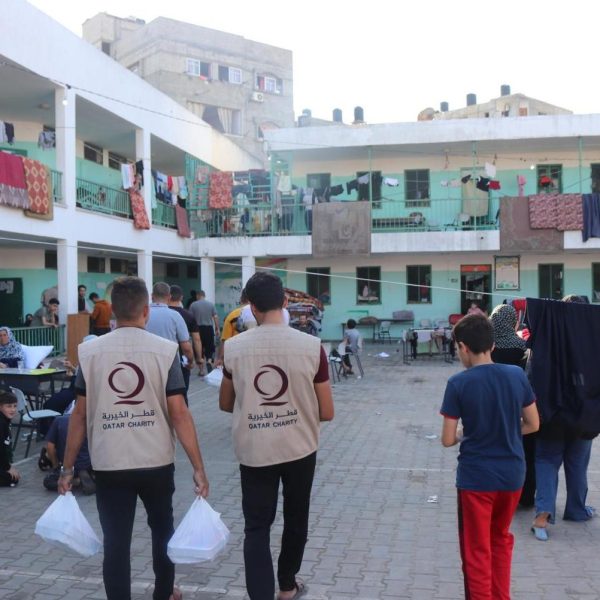
In winter especially, having people around a family is part of the warmth. A neighbour’s visit, an activity for children or a talk with a volunteer all break the isolation of cold days.
What does the Winter Heroes campaign aim to provide for warmth?
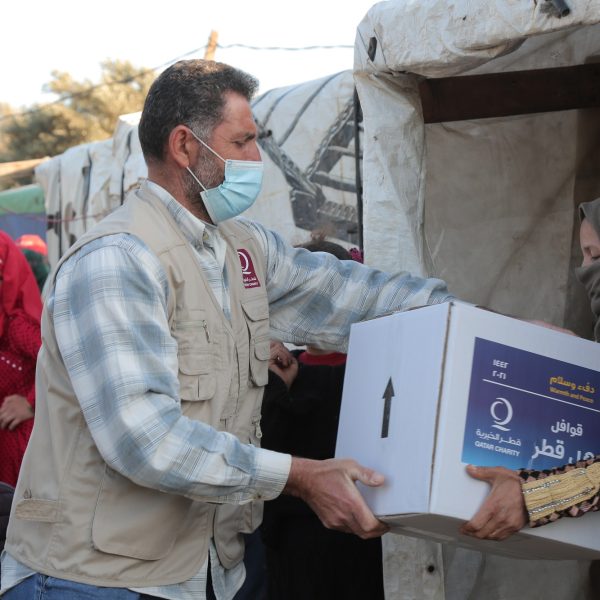
Qatar Charity’s Winter Heroes campaign 2026-2027 aims to reach 532,115 beneficiaries in 8 countries. Its warmth and shelter interventions include:
- Lebanon: 15,000 winter blankets, 5,000 clothing vouchers and 1,000 heating fuel vouchers, for refugees and host communities.
- Afghanistan: winter clothing (7,000), mattresses and blankets (1,000) and firewood (1,000).
- Bangladesh: 9,533 gas cylinder refills and 210 shelters built or repaired in the Rohingya camps.
- Pakistan: 3,000 cold-resistant tents.
Heating and energy interventions alone aim to reach 59,665 beneficiaries, and winter aid 122,330 beneficiaries.
How can you help bring safe hearts and warm bodies?
Your donation to Winter Heroes reaches a displaced family as a blanket, fuel or shelter, and eases the cold and the worry of the night. Donate to the winter campaign now.
To learn what Syrian refugees face in winter, read: The Suffering of Syrian Refugees in Winter. If you want to start with those around you, read: Helping Families in Winter.
Mental Health in Crises and Heating Targets
What share of conflict-affected people have mild mental health conditions?
An estimated 13% of conflict-affected populations have mild forms of mental health conditions, and 9% have moderate or severe forms, according to the World Health Organization.
What is psychological first aid?
Emotional and practical support that frontline workers give to people in acute distress. The World Health Organization recommends training them in it during emergencies.
How many beneficiaries does Winter Heroes aim to reach with heating and energy?
59,665 beneficiaries, or 11% of the campaign target, through heating fuel, firewood and gas refills.
How many blankets does the campaign aim to distribute in Lebanon?
15,000 winter blankets, within the 130,000 beneficiaries the campaign aims to reach in Lebanon among refugees and host communities.