
Kaffarah (expiation) for breaking an oath is feeding ten eligible people, clothing them, or freeing a slave, and the person who swore chooses one of these. If he cannot do any of them, he fasts three days. This is what the Islamweb fatwa on the order of the expiation in the verse sets out (in Arabic).
- The expiation is due for a binding oath that is broken, not for an unintended oath.
- Feeding means one mudd of the local staple food for each person, or a filling meal.
- Fasting is accepted only from someone who cannot feed or clothe the ten.
- You can pay it through a trusted charity such as Qatar Charity, stating that it is expiation for an oath.
What is the expiation for breaking an oath in the Quran?
The expiation is set out in Surah Al-Ma’idah (5:89), in the Saheeh International translation: “Allāh will not impose blame upon you for what is meaningless in your oaths, but He will impose blame upon you for [breaking] what you intended of oaths. So its expiation is the feeding of ten needy people from the average of that which you feed your [own] families or clothing them or the freeing of a slave. But whoever cannot find [or afford it] – then a fast of three days [is required]. That is the expiation for oaths when you have sworn. But guard your oaths. Thus does Allāh make clear to you His verses [i.e., revealed law] that you may be grateful.”
So the expiation is first a free choice between three things: feeding, clothing or freeing a slave. Then it follows an order, because a person moves to fasting only if he cannot do any of the three. For this reason, an Islamweb fatwa on oath expiation says fasting is not valid while one can do the others.
Types of oaths: which one requires expiation?
An Islamweb fatwa on which oath requires expiation or repentance divides oaths into three types, each with its own ruling:
- The unintended oath (laghw): the tongue slips into swearing without intention, and there is no expiation.
- The binding oath: the person firmly intends to do or avoid something in the future, and expiation is due if he breaks it.
- The false oath (Ghamoos): swearing falsely about a past matter while knowing it is a lie. Most scholars say it has no expiation, and repentance is required.
Some cases are close to the unintended oath. Whoever swears to something he believes true, and it turns out otherwise, owes no expiation. Likewise, whoever adds “Allah willing” to his oath does not break it, according to the Islamweb fatwa on oath expiation issues. The same fatwa notes a difference of opinion when someone swears to honour another person rather than to bind him, and Ibn Taymiyyah held that no expiation is due.
If a person doubts whether he swore at all, he owes no expiation, because the default is that no oath was made. But if he is sure he swore, or thinks it most likely, the oath is binding, as an Islamweb fatwa on the rulings of oath expiation explains.
The false oath: repentance, not expiation
A false oath about something in the past is strictly forbidden. An Islamweb fatwa states that the false oath has no expiation according to most scholars, and that the person must hurry to repent and do more good deeds. Whoever wants to be cautious may combine repentance with expiation, and there is no harm in that.

Conditions of the expiation for breaking an oath
Islamweb fatwas set out clear conditions for when the expiation is due and when it is valid:
- A binding oath that is broken: the expiation becomes due when the oath is broken, and whoever keeps his oath owes nothing, according to the fatwa on expiation before and after breaking the oath.
- The full number of ten: according to most scholars, giving the whole expiation to one person is not valid, as the fatwa on paying oath expiation explains.
- Eligible recipients: their apparent situation and a reasonable belief that they are eligible are enough, without investigating their affairs.
- Fasting only when unable: a person without money does not have to borrow, and he moves straight to fasting, as an Islamweb fatwa on borrowing for expiation states.
Sometimes a person swears to something and then sees that something else is better. Here, the fatwa on doing what is better and expiating the oath says he does the better thing and expiates his oath, based on a hadith narrated by Muslim.
How much is the expiation for breaking an oath in food?
The food comes from the average of what the person feeds his family. One way is to give each of the ten one mudd of the staple food, or to serve them lunch or dinner, as in the fatwa on the order of the expiation. Clothing means one garment for each of the ten.
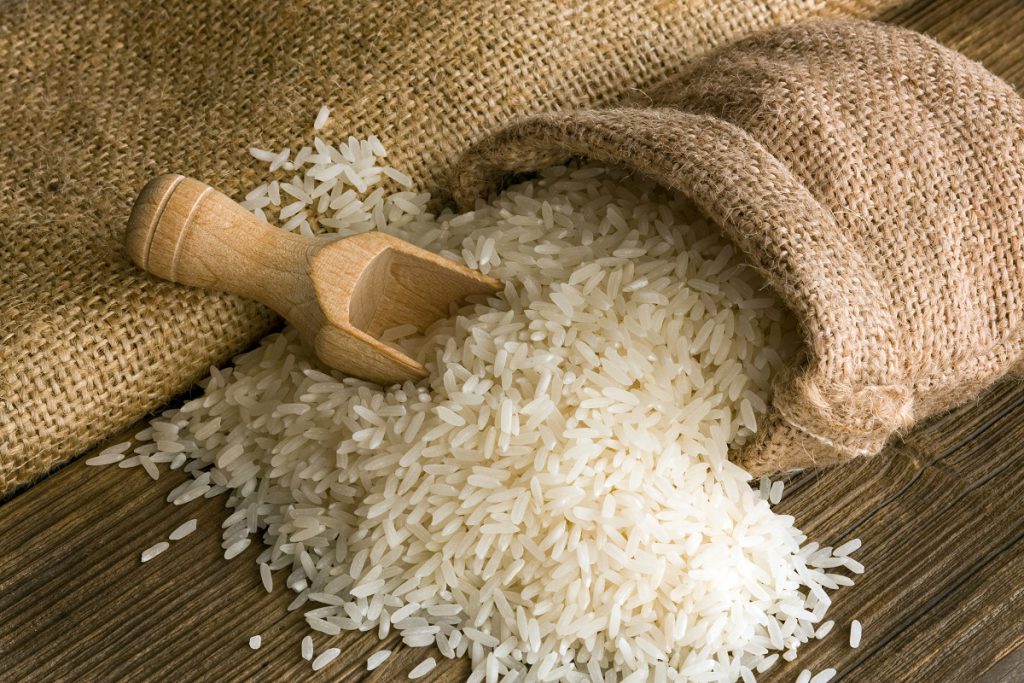
In today’s weights, the mudd is estimated at about 750 grams, and some say one and a half kilograms. Another fatwa gives one and a half kilograms of the local staple food. So one expiation is ten portions of rice, wheat or another common staple.
You do not have to feed all ten on the same day. If you feed one person each day until you complete ten, that is valid, according to the fatwa on fasting and spreading out the feeding.
Can you pay the expiation for breaking an oath in cash?
Most scholars hold that the expiation must be given as food, not its value. On the other hand, Abu Haneefah allowed paying the value, and Ibn Taymiyyah agreed when it serves the recipients better. The fatwa on paying the value instead of food presents both views.
Whoever pays the value following the scholars who allowed it is not at fault, but he must make up any shortfall. That is the conclusion of the fatwa on paying less than the value of the expiation.
To calculate the value, check the price of a kilogram of the common staple food in your country. Then multiply the price of 750 grams by ten for each expiation, according to the same fatwa on paying the value.

Fasting three days: when is it allowed, and must the days be consecutive?
Fasting is valid only for someone who cannot feed, clothe or free a slave. Scholars differ on whether the three days must be consecutive: some require it and others only recommend it. So an Islamweb fatwa advises fasting them consecutively as a precaution, to stay clear of the disagreement.
If you swear several oaths, do you owe several expiations?
If you repeat an oath about one matter and then break it, scholars differ. The fatwa on repeated oaths about one matter holds that one expiation is enough, and that an expiation for each oath is more cautious.
If you swore about different matters and broke all of them, you owe an expiation for each oath you broke. This is the preferred view in the Islamweb fatwa on oath expiation issues.
When is the expiation paid: before or after breaking the oath?
According to most scholars, you may pay the expiation before breaking the oath, and also after. But once you have broken it, do not delay without an excuse, according to the fatwa on expiation before and after breaking an oath. The preferred view is that it is due immediately.
Steps to pay the expiation for breaking an oath
If you have broken a binding oath, these practical steps bring the rulings above together:
- Make sure your oath was binding, not unintended, and not doubtful in the first place.
- Choose one of feeding, clothing or freeing a slave, as they are a free choice.
- Feed ten people one mudd each, or give each of them one garment.
- If you pay through a charity, tell it that the payment is expiation for an oath.
- If you cannot feed or clothe them, fast three days, preferably in a row.
- Pay the expiation soon after breaking the oath, without delay unless you have an excuse.
How do you pay the expiation for breaking an oath through Qatar Charity?
You may give the expiation, as food or money, to a trusted charity that distributes it to those eligible. The condition is to tell the charity it is expiation for an oath, so that one expiation reaches ten eligible people, as in the fatwa on giving expiation to a charity.
Qatar Charity has a dedicated page called “Expiation For A Broken Oath”, so your payment reaches eligible families as expiation.

Expiation for breaking an oath in five questions
What is the expiation for breaking an oath?
Feeding ten eligible people, clothing them, or freeing a slave, and the person chooses one. If he cannot do any of them, he fasts three days, as stated in verse 89 of Surah Al-Ma’idah.
What is the expiation for swearing by Allah and not keeping it?
If you swore by Allah to do or avoid something and then did the opposite, you owe an expiation. An oath without intention is unintended and has no expiation, and a false oath about the past requires repentance.
What are the conditions of the expiation for breaking an oath?
The oath must be binding and broken, and the expiation must reach ten eligible people. Fasting is accepted only from someone who cannot feed, clothe or free a slave.
How much food is the expiation for breaking an oath?
One mudd of the local staple food for each person, estimated at about 750 grams, and some say one and a half kilograms. One expiation is ten portions for ten people, or lunch or dinner for each of them.
Can the expiation for breaking an oath be paid in cash?
Most scholars require food. Abu Haneefah allowed paying the value, and Ibn Taymiyyah agreed when it is more beneficial. Whoever follows this view is not at fault, but must make up any shortfall.
Pay your expiation today in a few steps: pay the expiation for breaking an oath through Qatar Charity